Choosing the Right Toothbrush and Toothpaste for Your Cat's Health
Learn how to choose the best toothbrush and toothpaste for your cat's dental care, ensuring their health and comfort.
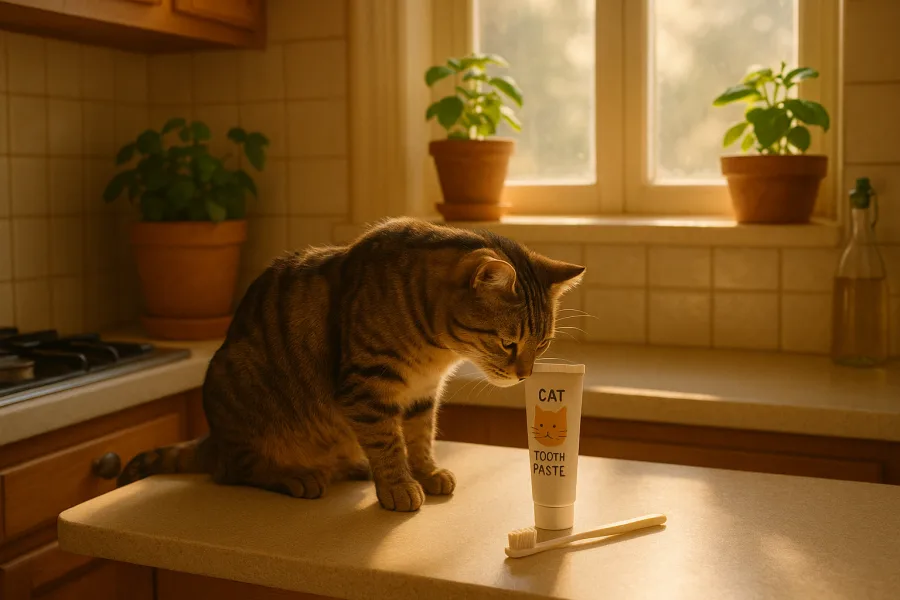
Choosing the right toothbrush and toothpaste for your cat is vital for their dental health and overall well-being. The perfect cat toothbrush should have soft bristles and an ergonomic design that fits your pet's mouth, while the toothpaste must be safe and appealing to your feline companion. In this guide, we'll explore how to select these essential dental care products and why they are important for your cat's health.
How to Choose the Right Toothbrush for Your Cat
When picking a toothbrush for your cat, consider the size, bristle softness, and ergonomic features. Cats have smaller mouths than humans, so a toothbrush designed for them is usually smaller and easier to handle. Opt for brushes with soft bristles, as they are gentle on your cat's gums and teeth, preventing damage to sensitive gum tissues and avoiding discomfort during brushing.
There are two main types of cat toothbrushes: finger brushes and traditional brushes. Finger brushes fit over your fingertip, giving you more control as you brush your cat's teeth. These are often recommended for cats new to brushing, as they allow for a more natural motion. The tactile nature of finger brushes can provide a soothing experience for your cat, easing them into the habit. Traditional brushes have handles and may be easier to use once your cat is accustomed to brushing. These brushes often have angled heads to reach the back teeth more effectively and are available in various sizes to suit your cat's needs.
Selecting the Best Toothpaste for Cats
It's essential to choose a toothpaste specifically formulated for cats, as human toothpaste contains ingredients that can be harmful to your pet. Human toothpaste often includes fluoride, which is toxic to cats if ingested. Instead, opt for a cat-friendly toothpaste that is fluoride-free and made with safe ingredients. Some cat toothpastes also contain enzymes that help break down plaque and tartar, providing an added benefit beyond the mechanical action of brushing.
Flavor is another crucial factor. Many cat toothpastes come in flavors that appeal to feline taste buds, such as chicken or fish. These flavors can help make the brushing experience more enjoyable for your cat and easier for you to manage. Cats are more likely to accept the brushing process if they enjoy the taste of the toothpaste, making it an important consideration in your selection. Always read the ingredient list to ensure the product does not contain any harmful substances, such as artificial sweeteners like xylitol, which is toxic to pets.
Why Is Dental Care Important for Cats?
Regular dental care is vital for your cat's health. Brushing your cat's teeth can prevent tartar build-up, which is a common issue that can lead to periodontal disease. Periodontal disease is a serious condition that can cause pain, tooth loss, and even systemic health problems as bacteria enter the bloodstream. Untreated dental issues can result in more severe health problems, including infections and tooth loss. Additionally, maintaining good oral hygiene helps combat bad breath, making cuddle time more pleasant for both you and your pet.
Regular dental care not only prolongs the health of your cat's teeth but also contributes to their overall happiness and quality of life. Cats with healthy mouths are more likely to eat comfortably and maintain good nutrition, which supports their general health and vitality.
How to Introduce Your Cat to Brushing
Introducing your cat to dental care requires patience and consistency. Start by allowing your cat to get used to the taste of the toothpaste. You can do this by letting them lick a small amount off your finger. This initial step helps your cat associate the toothpaste with a positive experience. Once they are comfortable, gently rub your finger along their gums to acclimate them to the sensation.
Next, introduce the toothbrush. Start with short sessions, brushing only a few teeth at a time. Gradually increase the duration as your cat becomes more accustomed to the routine. It's important to be gentle and use a calm, reassuring voice throughout the process. Reward your cat with treats and praise to create a positive association with brushing. Consistency is key; aim to brush your cat's teeth daily or at least several times a week to establish a solid routine.
What Mistakes Should You Avoid?
Avoid using human dental products for cats, as they contain ingredients that are unsafe for pets. Additionally, don't brush too aggressively, as this can damage your cat's gums. Be aware of your cat's body language; if they show signs of stress or discomfort, take a break and try again later. It's also essential not to rush the process. Give your cat time to adjust to each step, ensuring the experience remains positive. If your cat is particularly resistant, consult with a veterinarian for professional advice and guidance on alternative dental care methods.
Recommended Toothbrushes and Toothpaste for Cats
Several products are highly recommended by pet owners and veterinarians. For toothbrushes, consider brands like Virbac C.E.T. Cat Toothbrush, which is designed specifically for feline mouths. This toothbrush features a small head and soft bristles, ideal for reaching all areas of your cat's mouth. Another option is the Pet Republique Cat Toothbrush, known for its dual-ended design, offering versatility with different-sized brush heads.
For toothpaste, the Virbac C.E.T. Enzymatic Toothpaste is a popular choice among cat owners due to its effective formula and cat-friendly flavors. The enzymatic action helps reduce plaque and tartar while being safe for cats to swallow. Another option is the Sentry Petrodex Dental Kit, which includes both a toothbrush and an enzymatic toothpaste, making it convenient for pet owners new to feline dental care. This kit is especially useful for those looking to start a comprehensive dental routine for their cats.
Summary: Key Takeaways for Cat Dental Care
- Choose a toothbrush with soft bristles and an ergonomic design for your cat. Consider both finger and traditional brushes based on your cat's comfort level.
- Use only cat-specific toothpaste, avoiding human products that contain fluoride and other harmful ingredients.
- Introduce brushing gradually, making the experience positive with rewards like treats and praise.
- Look for signs of dental issues like bad breath or reluctance to eat, and consult a vet if necessary.
- Establish a regular brushing routine and incorporate dental check-ups into your cat's veterinary visits to monitor their oral health.
Maintaining your cat's dental health is essential for their overall well-being. By selecting the right toothbrush and toothpaste, and introducing a consistent brushing routine, you can help ensure a healthy mouth and a happy cat. Regular veterinary check-ups can further aid in monitoring your cat's dental health and addressing any concerns promptly. Investing time and effort in your cat's dental care can prevent future health issues and contribute to a long, healthy life for your beloved pet.

I've shared my home with pets for over 40 years. No letters after my name, just four decades of paying close attention. I've read widely, watched everything I could find, and learned most of what I know from living alongside animals every day. This site is where I share what I've picked up along the way.
More by Nicole Dance →