Essential Cat Dental Care Routine: Keep Your Feline's Smile Bright
Learn how to maintain your cat's dental health with brushing, vet check-ups, and diet tips to prevent disease and ensure overall well-being.
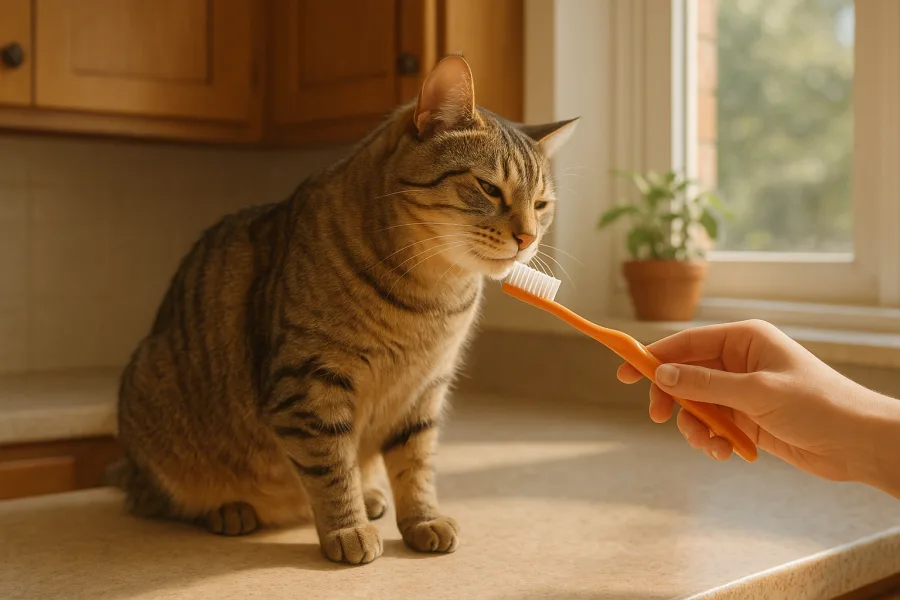
Maintaining a dental care routine for your cat is vital to ensuring their overall health and well-being. Proper dental care not only helps prevent common issues like bad breath and plaque build-up but also reduces the risk of serious health conditions related to dental disease. By incorporating regular brushing, professional check-ups, and the right diet into your cat's routine, you can help keep their teeth healthy and their smile bright.
Understanding the Importance of Cat Dental Care
Dental health is a key component of your cat's overall well-being. Ignoring it can lead to periodontal disease, affecting the structures that support the teeth and causing pain, tooth loss, and infection. This condition can also have broader health implications, including problems with the heart, liver, and kidneys due to bacteria entering the bloodstream. A solid dental care routine helps prevent these issues, keeping your cat comfortable and healthy.
Periodontal disease is not just an oral issue; it can impact your cat's entire body. When bacteria from the mouth enter the bloodstream, they can affect major organs like the heart and kidneys, causing systemic health problems. This is why dental care is so crucial. Cats with good oral hygiene often enjoy a better quality of life with less pain and discomfort.
How to Brush Your Cat’s Teeth
Choosing the Right Tools
To effectively brush your cat’s teeth, choose a soft-bristled toothbrush specifically designed for cats. Human toothbrushes are not suitable due to their size and bristle hardness. Also, use a veterinary-approved toothpaste formulated for cats, as human toothpaste can be harmful if ingested by pets. Cat-specific toothpaste comes in flavors like chicken or fish, which can make the process more enjoyable for your feline friend.
Step-by-Step Brushing Guide
Begin by letting your cat get used to the taste of the toothpaste. Apply a small amount on your finger and let them lick it off. Gradually introduce the toothbrush by gently rubbing it along their gums and teeth without paste. Once they’re comfortable, apply toothpaste to the brush and gently brush their teeth in small circular motions. Focus on the outer surfaces where plaque tends to accumulate. Aim to brush your cat's teeth daily, but even a few times a week can significantly benefit their dental health.
It's important to make the experience as stress-free as possible. Choose a quiet time when your cat is relaxed, and avoid forcing them if they're not receptive. Over time, your cat may even start to look forward to this part of their routine, especially if they associate it with a treat or extra petting afterward.
Scheduling Regular Dental Check-Ups
Regular veterinary check-ups are essential for maintaining your cat's dental health. Your vet can perform professional cleanings to remove tartar and address any dental issues early on. It’s generally recommended to schedule a dental check-up at least once a year, or more frequently if your cat is prone to dental problems.
During these check-ups, the vet will examine your cat’s mouth for any signs of dental disease, such as gingivitis or broken teeth. They may use dental X-rays to get a better look at the roots of the teeth and the jawbone, which can reveal issues not visible to the naked eye. Professional cleanings under anesthesia are often necessary to thoroughly clean below the gumline where plaque and bacteria can hide.
Enhancing Dental Health with Diet and Treats
Diet plays a significant role in dental health. Look for dental-specific cat foods that are designed to reduce plaque and tartar build-up. Additionally, dental treats can be a useful supplement to brushing. These treats often have a texture that helps clean teeth as your cat chews, making them an enjoyable and practical part of their dental routine.
Some cat foods are formulated to promote dental health by using a larger kibble size that encourages chewing, which can help scrape off plaque. These foods often contain ingredients that help reduce tartar build-up chemically. When choosing treats, look for those approved by veterinary dental associations, as they meet specific standards for dental health benefits.
Recognizing Signs of Dental Problems
Be vigilant for signs that your cat may be experiencing dental issues. Common symptoms include bad breath, drooling, pawing at the mouth, difficulty eating, and red or swollen gums. If you notice any of these signs, it’s important to consult your veterinarian promptly to prevent further complications.
Other signs to watch for include a change in eating habits, such as a preference for soft food or chewing on one side of the mouth. Cats are adept at hiding pain, so even subtle changes in behavior or appetite can indicate a problem. Early intervention can prevent more serious health issues and improve your cat's quality of life.
Alternatives and Supplements for Dental Care
If your cat is resistant to tooth brushing, there are alternative products that can help maintain oral health.
Water Additives, Dental Wipes, and Chews
Water additives can be added to your cat’s drinking water to help reduce bacteria and freshen breath. Dental wipes are another option; they can be used to gently wipe your cat's teeth and gums. Additionally, providing dental chew toys can help reduce plaque and tartar as your cat plays.
These alternatives are especially useful for cats that refuse traditional brushing. Water additives are easy to use and can make a noticeable difference in your cat's oral hygiene. Dental wipes offer a way to remove plaque without the use of a brush, which can be less intimidating for your cat. Chew toys designed for dental health can engage your cat while also benefiting their teeth.
Tips for Overcoming Dental Care Challenges
Introducing dental care to your cat may take time and patience. Start slowly and reward your cat with treats or affection to create a positive association with the process. Gradually increase the duration of each session as your cat becomes more comfortable. Consistency and patience are key, and over time, your cat will likely become more accepting of their dental care routine.
Creating a calm environment is crucial. Speak to your cat in a soothing voice and avoid sudden movements. If one method isn't working, try another, such as switching from a toothbrush to dental wipes. Remember, the goal is to make dental care a positive experience. If your cat becomes too stressed, take a break and try again later.
Summary and Key Takeaways
- Regular dental care is essential for preventing serious health issues in cats.
- Daily brushing with cat-specific toothpaste is ideal, but starting with a few times a week is beneficial.
- Annual veterinary check-ups are crucial for professional dental cleaning and early problem detection.
- Incorporate dental treats, special diets, and alternative dental products to support oral health.
- Watch for signs of dental issues and consult your vet if any arise.
- Patience, consistency, and a positive approach are vital to establishing a successful dental care routine.

I've shared my home with pets for over 40 years. No letters after my name, just four decades of paying close attention. I've read widely, watched everything I could find, and learned most of what I know from living alongside animals every day. This site is where I share what I've picked up along the way.
More by Nicole Dance →