How to Make DIY Allergy Relief Sprays for Dogs at Home
Learn to create safe, natural DIY sprays to soothe your dog's allergy symptoms using ingredients like apple cider vinegar and chamomile.
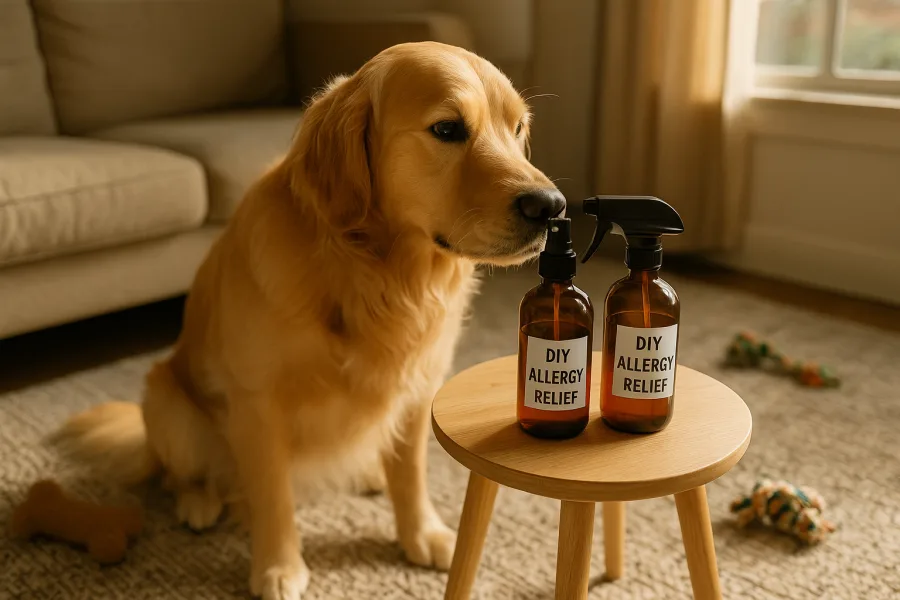
Introduction to DIY Allergy Relief Sprays
If your dog has been scratching more than usual or showing signs of skin irritation, allergies might be the culprit. As a caring pet owner, you may be searching for natural, cost-effective ways to help your furry friend feel better. DIY allergy relief sprays can be a great alternative to commercial products, offering a natural way to soothe your dog's symptoms. These sprays are not only easy to make at home, but they also give you control over the ingredients, ensuring that only safe, non-toxic substances touch your pet's skin.
Allergies in dogs can arise from various sources, such as environmental factors like pollen, dust mites, or mold, as well as food allergies or sensitivities to certain ingredients. Identifying the cause of your dog's allergies is crucial for effective treatment. Often, a combination of lifestyle changes, dietary adjustments, and topical treatments like DIY sprays can provide significant relief.
What Ingredients Are Safe and Effective?
Natural Ingredients to Use
Several natural ingredients can be used to create an effective allergy relief spray for dogs. Some popular choices include:
- Apple cider vinegar
- Chamomile tea
- Aloe vera gel
- Coconut oil
- Oatmeal
When selecting ingredients, it's essential to consider your dog's specific needs and sensitivities. Each ingredient offers unique benefits and can be tailored to address different aspects of allergy symptoms.
Benefits of Each Ingredient
Apple Cider Vinegar: Known for its antibacterial and antifungal properties, apple cider vinegar can help restore your dog's skin pH balance and reduce itchiness. It's particularly effective against yeast infections, which can be a common issue for dogs with allergies. Always dilute apple cider vinegar before use, as its acidity can irritate sensitive skin if applied directly.
Chamomile Tea: Chamomile has soothing properties that can relieve skin irritation and inflammation, making it a gentle option for sensitive skin. It's often used in traditional medicine for its calming effects, which can also help reduce stress-induced scratching in dogs.
Aloe Vera Gel: Aloe vera is famous for its healing and moisturizing properties, which can help soothe and repair damaged skin. It forms a protective layer over the skin, retaining moisture and allowing for faster healing of irritated areas. Ensure you're using pure aloe vera gel, free from additives that may not be safe for dogs.
Coconut Oil: Coconut oil has natural antibacterial and anti-inflammatory properties that can help alleviate allergies and moisturize the skin. It also contains lauric acid, which helps reduce yeast production, a common cause of skin irritation in dogs.
Oatmeal: Oatmeal is a natural skin soother, often used to relieve itching and irritation in both humans and pets. It contains compounds called avenanthramides, which have anti-inflammatory properties. You can prepare an oatmeal-infused water or use finely ground oatmeal in your spray for added benefits.
How to Make a DIY Allergy Relief Spray
Creating a DIY allergy relief spray is simple and requires just a few ingredients. Here's a basic recipe you can try:
Ingredients:
- 1 cup of chamomile tea (cooled)
- 1/4 cup of apple cider vinegar
- 1 tablespoon of aloe vera gel
- 1 teaspoon of coconut oil
Instructions:
- Brew a cup of chamomile tea and allow it to cool completely. You can use either loose chamomile flowers or pre-packaged tea bags.
- In a clean spray bottle, combine the cooled chamomile tea, apple cider vinegar, aloe vera gel, and coconut oil. Ensure the bottle is free of any residues from previous uses.
- Shake well to ensure all ingredients are thoroughly mixed. This step is crucial to ensure that the oil and water-based ingredients are properly combined for even application.
- Store the spray in a cool, dark place. This will help preserve the integrity of the natural ingredients and extend the shelf life of your homemade spray.
You can customize this recipe based on your dog's specific needs or preferences. For instance, if your dog has particularly dry skin, you might increase the amount of coconut oil slightly. Remember to introduce new ingredients gradually and monitor your dog's reaction.
How to Apply the Spray Safely
To apply the spray, gently mist your dog's coat, focusing on areas prone to itching or redness. Avoid spraying directly on the face, especially near the eyes and nose. Use the spray 1-2 times daily, depending on the severity of the symptoms. Always observe your pet after application to ensure there's no adverse reaction.
Before the first full application, consider performing a patch test. Apply a small amount of the spray on a less sensitive area, such as the back of a leg, and wait for 24 hours to see if any irritation develops. This step can help ensure that your dog does not have an adverse reaction to the ingredients.
What Safety Considerations Should You Be Aware Of?
While DIY sprays are generally safe, it's crucial to avoid certain ingredients that can be harmful to dogs, such as essential oils. Many essential oils are toxic to pets, and even those that are typically safe should be used with caution. Additionally, if your dog has open wounds or severe skin conditions, consult with a veterinarian before applying any homemade solutions.
It's important to be aware of your dog's specific allergies and sensitivities. Even natural ingredients can cause reactions in some dogs. Monitor your dog closely after using the spray for any signs of increased irritation or discomfort, and discontinue use if you notice any adverse effects.
When Should You See a Vet?
While DIY solutions can be effective for mild symptoms, it's important to recognize when professional help is needed. If your dog's symptoms persist, worsen, or if there's swelling, difficulty breathing, or signs of infection, seek veterinary attention promptly. These could indicate a more serious underlying condition that requires medical intervention.
In addition, if your dog experiences chronic or recurring skin issues, a comprehensive examination by a veterinarian can help identify the root cause and determine the most effective treatment plan. Professional guidance can also be invaluable in creating a holistic approach to managing your dog's allergies, including dietary changes, environmental modifications, and medical treatments.
Summary: Key Takeaways
- DIY sprays offer a natural alternative to commercial allergy treatments for dogs.
- Use safe ingredients like apple cider vinegar, chamomile tea, aloe vera, and coconut oil.
- Apply the spray 1-2 times daily, avoiding the dog's face.
- Avoid using essential oils or any ingredients toxic to dogs.
- Consult a vet if symptoms persist or worsen.
By taking a proactive approach to managing your dog's allergies with DIY remedies, you can help enhance their comfort and overall well-being. Always prioritize your dog's safety and health, and don't hesitate to seek professional advice when necessary.

I've shared my home with pets for over 40 years. No letters after my name, just four decades of paying close attention. I've read widely, watched everything I could find, and learned most of what I know from living alongside animals every day. This site is where I share what I've picked up along the way.
More by Nicole Dance →