How Dogs Communicate Through Body Language
Discover how dogs communicate with each other using body language for clearer interactions.
Understanding Canine Communication Through Body Language
Dogs communicate with each other through a unique form of body language. This non-verbal interaction allows them to express emotions and intentions clearly. Whether they're playing, feeling threatened, or simply saying hello, understanding canine body language helps you interpret your dog's interactions with others, ensuring safe and effective socialization. By recognizing these signs, you can better manage your dog's interactions and respond appropriately when needed. This understanding is vital for dog owners, walkers, and pet sitters who often handle multiple dogs in different settings.
Being able to recognize canine body language is incredibly useful. By decoding these signals, you can manage your dog's social interactions more effectively and react appropriately when necessary. Understanding these cues not only strengthens the bond between humans and dogs but also fosters a safer and more harmonious environment for all dogs involved. Our complete guide to to Understand Your Dog's Facial Expressions has more on this if you want to dig deeper.
What Are the Common Body Language Signals in Dogs?
Tail Movement and Its Meanings
A dog’s tail is one of its most expressive features. While a wagging tail often signals excitement or friendliness, the speed and position can change its meaning. A slow wag with the tail held high might suggest curiosity or alertness, whereas a rapid wag with the tail held low could indicate nervousness or submission. It's important to consider the whole body for accurate interpretation. Additionally, a tail tucked between the legs usually signifies fear or submission, while a stiff, upright tail can denote dominance or aggression.
Ear Positions and What They Indicate
Ears reveal a lot about a dog’s mood. When a dog’s ears are perked up and facing forward, it typically means they are alert and interested. If the ears are laid back against the head, this can indicate fear or submission. Different breeds have varying ear shapes, so it's crucial to know what 'neutral' looks like for your dog. For breeds with naturally floppy ears, the changes may be subtler, requiring closer observation to detect mood or intent shifts.
Overall Body Posture: Relaxed vs. Tense
A relaxed dog will display a loose, wiggly body and a calm demeanor. In contrast, a tense, stiff body can indicate stress or aggression. Notice whether your dog's weight is evenly distributed or if they are leaning forward or backward, which can also signal their intentions or feelings. A forward lean might suggest eagerness or aggression, while leaning back could imply caution or fear. Raised hackles along the back can signal arousal or aggression, adding another layer to their communication.
How to Differentiate Between Play and Aggression
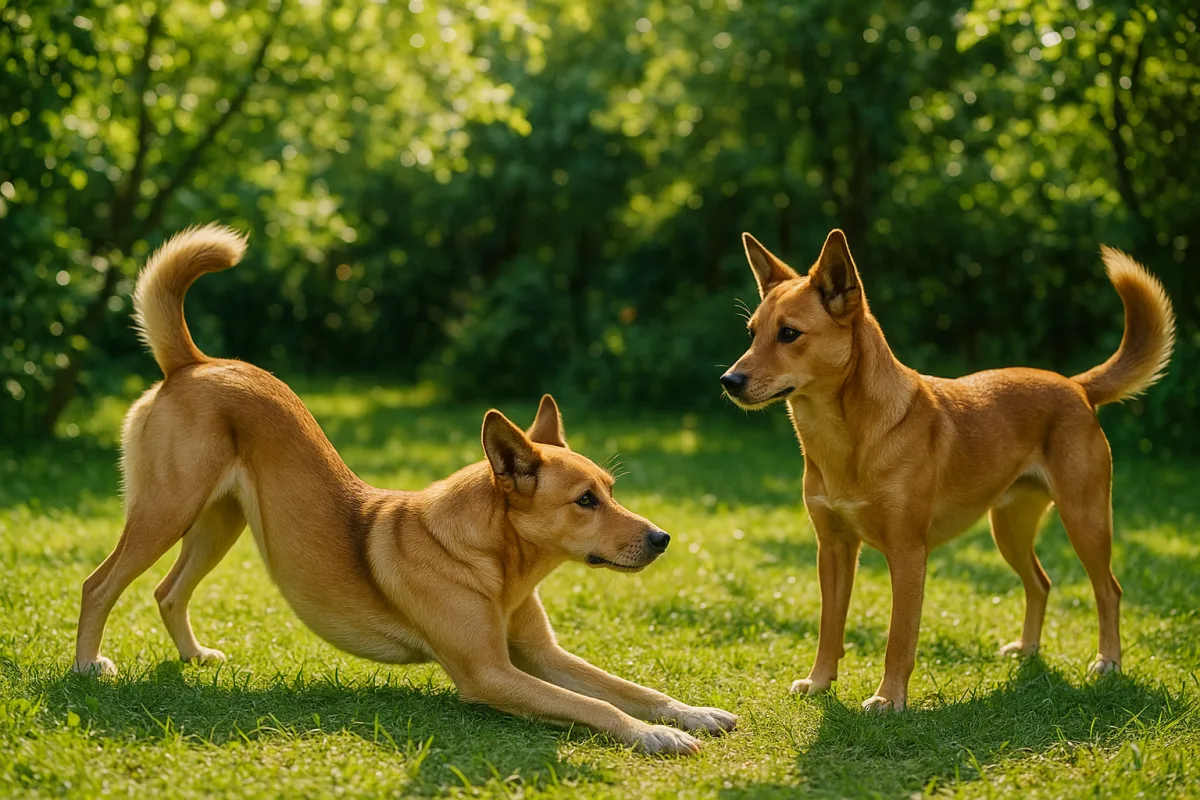
Recognizing the difference between playful behavior and aggression is crucial for safe interactions. Play bows, where a dog lowers its front legs and keeps its rear up, clearly indicate playfulness. Playful dogs often show bouncy movements and exaggerated actions. Conversely, aggressive signals include growling, a stiff body, and a fixed stare. Dogs engaged in play usually take turns chasing each other and may have relaxed facial expressions, while aggressive interactions often involve tense postures and vocalizations like snarling.
For more insights, explore this guide on dog aggression. It offers a detailed examination of body language cues that distinguish playful behavior from real aggression, helping you intervene appropriately when needed.
What Are Subtle Signs of Stress or Discomfort?
Dogs also use subtle signals to indicate stress or discomfort. Lip licking, yawning, and paw lifting can be signs of anxiety or appeasement. These behaviors, often called calming signals, are used by dogs to defuse potential conflicts. Paying attention to these cues can help you intervene before a situation escalates. Other subtle signs include the 'whale eye,' where a dog shows the whites of their eyes, or excessive panting when not hot or tired. Recognizing these signs early can prevent stress from turning into more serious behavioral issues.
How Important Is Context in Understanding Dog Body Language?
Context is essential in interpreting dog body language. The same signal can mean different things depending on the situation. A wagging tail during playtime might indicate excitement, but in a tense setting, it could signal agitation. Observing the environment and responses of other dogs can provide valuable clues for accurate interpretation. For example, a typically friendly dog might show signs of stress or aggression in crowded or noisy environments. Understanding the broader context, including the dog's history and usual behavior, is key to accurate interpretation.
What Should You Do When You Notice Concerning Signals?
If you observe signs of stress or aggression in your dog or another, it's important to stay calm. Remove your dog from the situation if possible and give them space to relax. Avoid punishing your dog for these signals, as it can increase anxiety. Instead, focus on calming your dog and providing reassurance. If you frequently notice concerning signals, consider seeking professional help from a dog trainer or behaviorist to address any underlying issues. These professionals can offer tailored strategies and training techniques to help your dog cope with stressors more effectively.
Summary: Key Takeaways for Dog Communication
- Dogs communicate using body language, like tail wagging and ear positioning.
- Differentiate play from aggression by observing body posture and behaviors like play bows.
- Pay attention to subtle stress signals, such as lip licking and yawning, to prevent conflicts.
- Context is crucial; the same signal can have different meanings based on the situation.
- Seek professional help if you notice persistent aggression or stress in your dog.
For a deeper understanding of canine signals, consider exploring our comprehensive guide on dog body language. This guide delves into the complexities of canine communication, offering insights to enhance your ability to interpret and respond to your dog's non-verbal cues effectively.

I've shared my home with pets for over 40 years. No letters after my name, just four decades of paying close attention. I've read widely, watched everything I could find, and learned most of what I know from living alongside animals every day. This site is where I share what I've picked up along the way.
More by Nicole Dance →