Why Does My Dog Lick the Air? Understanding the Causes and Solutions
Explore reasons behind air licking in dogs, from harmless habits to potential health or behavioral issues, and learn when to consult a vet.
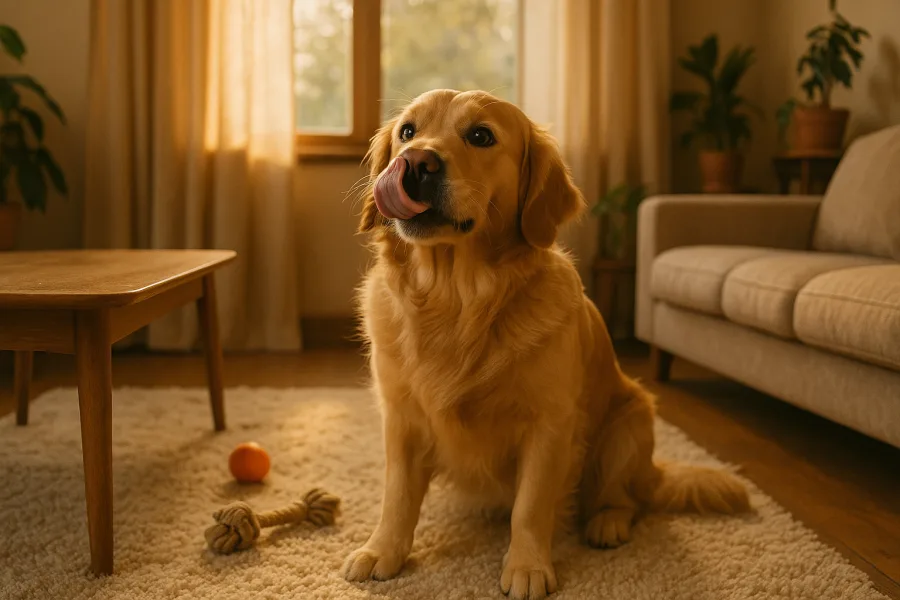
If you're a dog owner, you might have noticed your furry companion licking the air from time to time. While this may seem unusual, understanding the reasons behind it can help you care for your pet more effectively. Sometimes, air licking is a harmless habit, but it can also indicate a health or behavioral issue, so it's essential to know what signs to watch for and how to address them.
Why Does My Dog Lick the Air?
Dogs lick the air for many reasons, most of which are not a cause for concern. A common reason is that they are exploring new scents or tasting the air. With their extraordinary sense of smell, dogs use air licking to gather more information about their surroundings, much like humans sniff when they catch an intriguing aroma. Additionally, dogs may use this behavior as a form of communication, signaling curiosity, friendliness, or even submission through subtle body language.
Paying attention to your dog's body language and the situations in which they lick the air can provide insights into their motivations. For example, if your dog is wagging its tail and has perked-up ears, they could simply be expressing excitement or happiness.
Could It Be a Health Issue?
While air licking is often harmless, there are medical reasons why a dog might do this. Nausea is a common cause; dogs might lick the air when they feel queasy, much like humans might grimace when feeling sick. This behavior often comes with other signs of gastrointestinal discomfort, such as drooling, vomiting, or a lack of appetite. Dental issues, like tooth pain or gum disease, might also lead a dog to lick the air to relieve discomfort, sometimes accompanied by pawing at the mouth, difficulty eating, or bad breath.
In some cases, neurological problems can cause air licking, especially if combined with disorientation or seizures. Conditions like focal seizures can lead to repetitive actions like air licking due to abnormal brain activity.
If your dog's air licking persists, is accompanied by other unusual symptoms, or seems troubling, it's time to consult a veterinarian. Early identification of the root cause can prevent further health issues and ensure your pet's well-being. A vet can perform a thorough examination to rule out or confirm medical conditions and advise on the best course of action.
Is It a Behavioral Problem?
Behavioral factors can also contribute to air licking. Stress and anxiety are common triggers, with dogs using air licking as a coping mechanism when feeling overwhelmed. This might result from changes in their environment, separation anxiety, or exposure to loud noises. Anxious dogs might also pace, pant, or hide.
Some dogs may develop compulsive licking behaviors, similar to obsessive-compulsive disorder in humans. This can become problematic if it disrupts daily activities or causes distress, often triggered by a lack of mental or physical stimulation, leading to repetitive actions as self-soothing.
To determine if air licking is behaviorally driven, consider any recent changes in your dog's routine or environment that might be causing stress. Observing your dog's behavior in different settings can help identify potential triggers. Consulting with a professional dog trainer or a veterinary behaviorist can provide strategies to manage and modify these behaviors effectively.
Are There Environmental Causes?
Environmental factors can significantly influence a dog's behavior, including air licking. New scents from cleaning products, perfumes, or other animals can spark a dog's curiosity and prompt them to lick the air. Dogs are highly attuned to changes in their environment, and even subtle shifts can capture their attention.
Adjustments in surroundings, like moving to a new home or rearranging furniture, can also prompt different behavior as they adapt to their new environment. Dogs thrive on familiarity and routine, so disruptions can lead to increased anxiety or curiosity, resulting in behaviors like air licking as they try to understand their new surroundings.
By identifying and minimizing potential environmental triggers, you can help reduce your dog's desire to lick the air. Gradually introduce new elements and maintain a stable routine to help your pet feel secure. Creating a calm and predictable environment can help your dog feel more at ease and less likely to engage in stress-induced behaviors.
What Should I Do Next?
Monitoring your dog's air licking behavior is crucial in determining whether it's an isolated incident or a persistent issue. Keep a journal of when and where the licking occurs, noting any accompanying behaviors or environmental changes. This information can be invaluable if you need to consult a veterinarian.
If you suspect the licking is related to stress or anxiety, try to identify and address the source of the discomfort. Providing a safe space, engaging in regular play, and maintaining a consistent routine can help alleviate anxiety. Consider incorporating calming aids such as pheromone diffusers or anxiety wraps if your dog is particularly sensitive to environmental changes.
In cases where the behavior is compulsive, behavioral training or consulting an animal behaviorist may be beneficial. Implementing positive reinforcement techniques to reward calm and non-licking behavior can help redirect your dog's focus and reduce compulsive tendencies.
It's important to seek veterinary advice if the air licking is frequent, causes distress, or is accompanied by other worrying symptoms. A vet can help diagnose any underlying health issues and suggest appropriate treatments. Regular check-ups and preventive care can also help catch potential problems early, ensuring your pet remains healthy and happy.
Quick Summary
- Dogs may lick the air to explore scents or as a benign habit.
- Health issues like nausea, dental problems, or neurological concerns could cause air licking.
- Behavioral reasons include stress, anxiety, or compulsive behaviors.
- Environmental changes or new scents can trigger this behavior.
- Observe and monitor the behavior and consult a vet if necessary.
Every dog is unique, and while some might lick the air out of curiosity, others might be signaling a deeper issue. By paying close attention to your pet's behavior and environment, you can ensure they remain happy and healthy. For more insights into similar behaviors, you might want to check our comprehensive guide on why dogs lick everything.

I've shared my home with pets for over 40 years. No letters after my name, just four decades of paying close attention. I've read widely, watched everything I could find, and learned most of what I know from living alongside animals every day. This site is where I share what I've picked up along the way.
More by Nicole Dance →