How to Introduce Tooth Brushing to a Reluctant Cat
Discover how to introduce tooth brushing to your cat with patience and ease. Improve their dental health and prevent serious diseases.
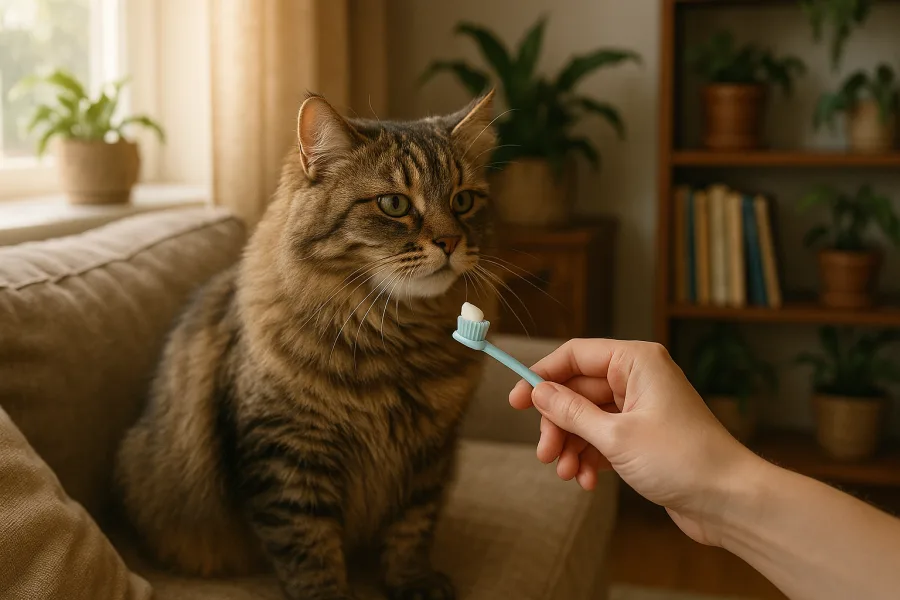
Brushing your cat’s teeth can be a bit tricky, especially if your feline friend isn't too keen on the idea. However, with a little patience and the right approach, you can introduce tooth brushing to your cat without causing stress. Good dental hygiene is vital for your cat's health, helping to prevent dental diseases that could lead to more serious health concerns. Let's explore some steps to make this process easier for both you and your cat.
Why Brush Your Cat’s Teeth?
Just like humans, cats can suffer from dental issues such as gingivitis, periodontal disease, and tooth decay. Regularly brushing your cat's teeth is an effective way to ward off these problems, which, if left unchecked, can lead to pain, infections, and even systemic health issues. Regular brushing helps keep plaque and tartar at bay, promoting a healthy mouth and potentially saving on expensive veterinary dental treatments later. Dental diseases can also lead to serious conditions like heart and kidney problems, as bacteria can spread from the mouth to other parts of the body. By taking care of your cat's dental health, you're investing in their overall well-being and quality of life.
What Tools Do You Need?
Having the right tools is key to effective and safe tooth brushing. You'll need a cat-specific toothbrush, which is usually smaller with softer bristles than those for humans. Finger brushes can also be a good option for some cat owners. Avoid human toothpaste, as it contains fluoride and other ingredients harmful to cats. Instead, choose a cat-specific toothpaste, often available in flavors like poultry or fish, which might appeal more to your cat. Dental wipes can be a good starting point for very reluctant cats, helping remove some plaque while your cat gets used to having its mouth touched. Additionally, dental treats and water additives can help maintain oral hygiene.
How to Start the Tooth Brushing Process
Introducing your cat to tooth brushing requires patience and a gradual approach. Here’s a step-by-step guide to help your cat ease into this new routine:
Get Your Cat Comfortable with the Tools
Begin by letting your cat sniff and explore the toothbrush and toothpaste. Put a bit of toothpaste on your finger and let your cat lick it off if they’re curious. This helps them familiarize themselves with the taste and texture without any pressure. You can also leave the toothbrush and toothpaste in their living area for a few days so they can get used to these new items.
Acclimate Your Cat to Having Their Mouth Touched
Gently touch and lift your cat’s lips to get them used to having their mouth handled. Do this for a few seconds each day, increasing the duration as your cat becomes more at ease. You can add this to a petting routine, gently massaging around their mouth and cheeks to help them relax.
Introduce the Toothbrush
Once your cat is comfortable with having their mouth touched, start by gently brushing one or two teeth. Gradually increase the number of teeth you brush as your cat becomes more accustomed to the process. Keep sessions short and positive, starting with the front teeth and moving to the back as your cat’s comfort grows. Use gentle circular motions to clean effectively without causing discomfort.
How Can You Make It a Positive Experience?
Positive reinforcement is essential in helping your cat associate tooth brushing with a pleasant experience. Offer treats, praise, or a favorite toy right after brushing sessions. Over time, your cat will start associating the process with these positive outcomes. Consistency is key; even if you only manage to brush a few teeth, reward your cat to build positive associations.
Create a Stress-Free Environment
Pick a quiet time and place where your cat feels comfortable and relaxed. Avoid brushing their teeth in a busy or noisy environment, as this can heighten your cat’s stress levels. Consider playing soft music or using a calming pheromone diffuser to create a soothing atmosphere. Staying calm yourself is important, as your cat can sense your stress, which may add to their own.
How to Overcome Challenges
Introducing tooth brushing can be difficult, especially if your cat is particularly resistant. Here are some tips to help overcome common issues:
Understanding Cat Behavior
Watch your cat's body language for signs of stress, such as flattened ears, tail swishing, and vocalizations. If your cat shows these signs, it’s best to stop and try again later. Recognize when your cat is more open to handling, such as after a meal or play session, which can make the process smoother. Every cat is different, so patience and observation are crucial in identifying the best times for brushing.
Troubleshooting Common Issues
If your cat refuses to open their mouth, try gently massaging their cheeks to relax them, making it easier to access their teeth. Always be patient and never force your cat, as this can create negative associations. For particularly stubborn cats, start by just touching the toothbrush to their lips and gradually work up to brushing. Persistence and patience are vital; it may take weeks or even months for your cat to fully accept this routine.
When to Seek Professional Help
If, despite your best efforts, your cat is extremely resistant to tooth brushing, or if you notice signs of dental problems such as bad breath, drooling, or difficulty eating, it may be time to consult a veterinarian or professional groomer. They can provide professional cleanings and offer advice tailored to your cat's specific needs. Additionally, a professional can check for any underlying health issues that may be causing your cat's reluctance or discomfort during brushing.
Quick Summary
- Brushing your cat's teeth is essential for preventing dental diseases.
- Use cat-specific toothbrushes and toothpaste for safety and effectiveness.
- Introduce tooth brushing gradually, starting with getting your cat comfortable with the tools.
- Use positive reinforcement to encourage your cat and create a stress-free environment.
- Observe your cat's behavior to understand their comfort levels and seek professional advice if needed.

I've shared my home with pets for over 40 years. No letters after my name, just four decades of paying close attention. I've read widely, watched everything I could find, and learned most of what I know from living alongside animals every day. This site is where I share what I've picked up along the way.
More by Nicole Dance →