How to Understand Your Dog's Facial Expressions
Discover how to interpret your dog's facial expressions to better understand their emotions and improve your communication and relationship.
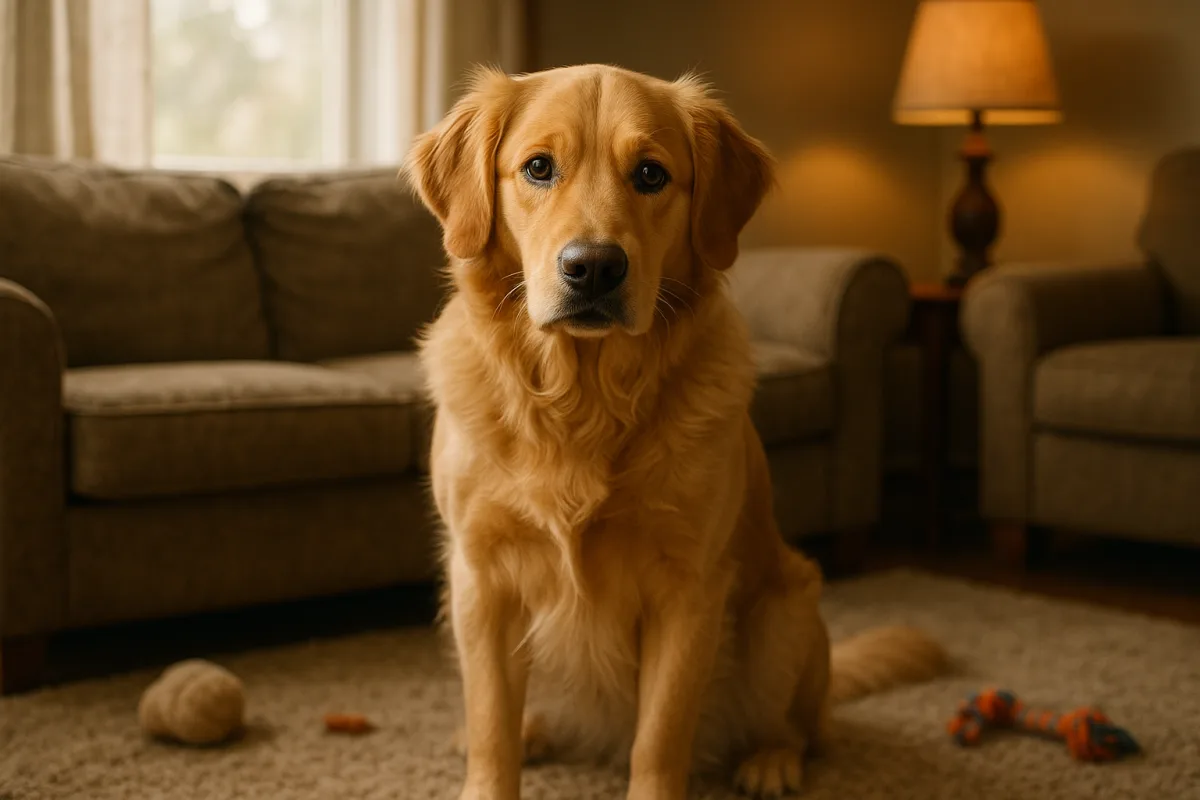
Getting to know your dog's facial expressions is essential for building a strong bond and engaging in effective communication. By recognizing what different expressions signify, you can better respond to your dog's needs and emotions, boosting your confidence as a pet owner. So, how can you understand your dog's facial expressions? Let's explore the details.
What Are Common Dog Facial Expressions?
Dogs, much like humans, use their faces to convey a variety of emotions. Common expressions include a relaxed face, an alert face, an anxious face, and an aggressive face. A relaxed dog typically has soft eyes, a slightly open mouth, and ears in their natural position. This is often paired with a relaxed posture and a wagging tail, signaling contentment. An alert dog might have wide eyes, a closed mouth, and ears perked forward, showing they are focused on something specific around them, like a sound or movement. Anxiety can be seen with wide eyes showing the whites, a closed mouth, and ears held back, possibly accompanied by a lowered body posture or a tucked tail. Aggression might be displayed through a wrinkled nose, bared teeth, and intense staring, often with a stiff body posture and growling. Recognizing these expressions in different contexts is crucial for understanding your dog's emotions. If you want the full picture, our guide to Does My Dog Show Its Belly and What Does It Mean? covers everything in depth.
How Do Eye Movements Reveal Emotions?
A dog's eyes are highly expressive, revealing much about their feelings. Direct eye contact can show confidence or be a challenge, depending on the situation. Sometimes, prolonged eye contact is used to assert dominance or signal a threat, especially in unfamiliar settings. In contrast, a soft gaze usually indicates affection or relaxation, often seen when a dog feels safe and comfortable. Squinting might suggest happiness or submission, indicating a friendly attitude. Conversely, looking away can be a sign of discomfort, stress, or a polite way to avoid confrontation, showing the dog is trying to ease a situation. Understanding these nuances helps you gauge your dog's feelings in various situations, ensuring you can respond to their emotional needs.
What Can a Dog's Mouth Tell You?
A dog's mouth position and movement offer valuable insights into their mood. An open mouth with a relaxed tongue often indicates happiness or relaxation. This is frequently accompanied by a playful attitude or a willingness to engage. On the other hand, a tightly closed mouth may suggest tension or concern, often appearing in stressful situations or when the dog is unwell. Baring teeth is a clear warning sign of aggression or fear, particularly if paired with growling. However, context is key; during play, some dogs might show their teeth without aggressive intent. Observing these mouth cues in context is crucial for accurate interpretation, helping you differentiate between playful and aggressive behaviors.
What Do Ear Positions Indicate?
Ears play a vital role in expressing a dog’s emotions. Upright and forward ears often signal curiosity or alertness, suggesting the dog is attentive to their surroundings, such as when they hear an unfamiliar sound or see something intriguing. Ears pulled back may indicate fear, anxiety, or submission, often seen when the dog feels threatened or uneasy. In some cases, ears held back can also be a sign of affection, particularly when combined with a relaxed body posture. Drooping ears can signal relaxation, showing the dog is at ease. The role of ear position in communication is essential, as it adds context to other facial expressions and is discussed in detail in our article on canine ear communication.
Why Is It Important to Consider Body Language?
Facial expressions are only part of the story. To truly grasp what your dog is communicating, you must consider their overall body language. A wagging tail, for instance, can mean different things depending on whether it's high and stiff or low and relaxed. A high, stiff wag might indicate alertness or agitation, while a low, relaxed wag usually signals friendliness. Body posture plays a significant role too; a relaxed posture indicates comfort, while a tense, rigid posture might suggest fear or aggression. Pairing facial cues with body signals gives a fuller picture of your dog's emotions. Observing how your dog's body moves in conjunction with their facial expressions will deepen your understanding of their feelings and needs. For more detailed insights, see our comprehensive guide on dog body language.
Common Misinterpretations and How to Avoid Them
Misreading your dog's expressions can lead to miscommunication and stress. A common mistake is assuming all wagging tails indicate happiness, whereas they can sometimes be a sign of agitation, especially if accompanied by a tense body posture or alert ears. Another error is thinking a dog showing its teeth is always aggressive, without considering the context, such as during play, where dogs might show their teeth in a non-threatening manner. Additionally, some owners might misinterpret a dog's yawning as boredom, but it can also signal stress or anxiety. Observing the entire body language and situation will help you avoid these pitfalls. By being mindful of the context in which these expressions occur, you can improve your ability to accurately interpret your dog's communication.
Conclusion: Key Takeaways
- Recognize common facial expressions like relaxed, alert, anxious, and aggressive.
- Interpret eye movements such as direct contact, squinting, or looking away in context.
- Understand mouth positions: open for relaxed, closed for tension, bared teeth for aggression, considering the situation.
- Consider ear positions for signals of curiosity, fear, or relaxation in conjunction with other cues.
- Combine facial expressions with body language for accurate interpretations, noting the overall context and situation.
Understanding your dog's facial expressions is a rewarding journey that enhances your relationship. By paying attention to these cues and responding appropriately, you can ensure a happier and more harmonious life with your furry friend. As you become more attuned to your dog's expressions and behaviors, your ability to meet their needs and communicate effectively will grow, strengthening the bond you share.

I've shared my home with pets for over 40 years. No letters after my name, just four decades of paying close attention. I've read widely, watched everything I could find, and learned most of what I know from living alongside animals every day. This site is where I share what I've picked up along the way.
More by Nicole Dance →