Is Excessive Licking a Sign of Anxiety in Dogs?
Explore how excessive licking may indicate anxiety in dogs and learn about symptoms, causes, and solutions to help your pet.
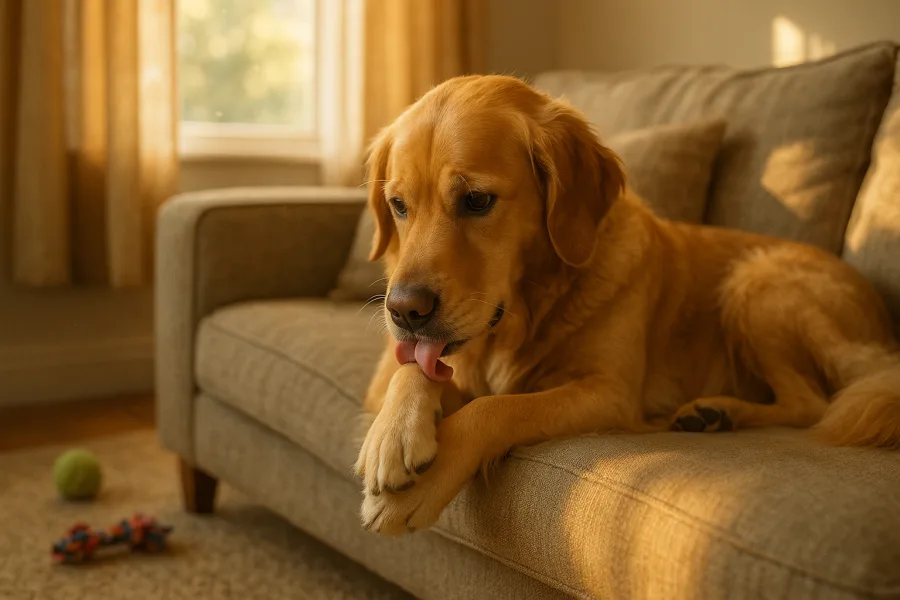
Excessive licking in dogs can indeed indicate anxiety. While it's normal for dogs to lick as part of grooming or showing affection, persistent licking of themselves, objects, or even their owners might suggest something is wrong. Understanding this behavior can help determine if it's due to anxiety or another underlying issue.
What Are the Symptoms of Anxiety in Dogs?
Apart from excessive licking, anxiety in dogs can show through various behaviors. Anxious dogs might pace, whine, bark, or become destructive. They may also seem more withdrawn or seek constant reassurance from their owners. Restlessness and changes in appetite or sleep patterns can also signal anxiety. Observing these behaviors, along with licking, can help identify anxiety as the root cause.
Sometimes, physical symptoms like trembling or panting might appear. Some dogs might even lose interest in activities they once enjoyed, such as playing or going for walks. These behavioral changes can happen gradually or suddenly and may vary based on the dog’s personality and the severity of their anxiety.
Why Does This Happen? Potential Causes of Anxiety
Several factors can contribute to anxiety in dogs. Changes in their environment, such as moving to a new home, the arrival of new family members, or even changes in the owner's schedule, can trigger anxiety. A lack of physical exercise or mental stimulation can also play a significant role. Additionally, some dogs might naturally have a more anxious disposition due to genetics or past experiences like trauma or neglect.
Socialization is another crucial factor. Dogs that weren't well-socialized as puppies may develop anxiety in unfamiliar situations or around strangers. Additionally, certain breeds are more prone to anxiety due to their inherent nature and temperament. Understanding the root causes of anxiety can greatly assist in finding effective solutions tailored to individual dogs.
How to Tell If Licking Is Anxiety-Related
Distinguishing anxiety-driven licking from other causes requires careful observation. Dogs might lick due to allergies, skin irritations, or gastrointestinal issues. If licking comes with signs of discomfort, such as scratching or redness, a medical issue might be the cause. Conversely, if licking happens during or after stressful events, like loud noises or being left alone, anxiety is more likely the culprit. For more insights on licking, check out our comprehensive guide on canine licking behavior.
It's important to monitor the frequency and context of the licking. Keeping a journal of when the behavior occurs can help identify patterns or triggers. Noting any changes in the dog's environment or routine can also provide insights into potential causes of anxiety.
How Can You Help Your Anxious Dog?
Managing anxiety in dogs involves combining techniques to reduce stress and promote relaxation. Here are some practical steps you can take:
Provide a Safe Space: Create a comforting area where your dog feels secure. This could be a quiet room or a cozy corner with their favorite bed and toys. A dedicated space can act as a refuge during stressful times and help your dog feel more in control of their environment.
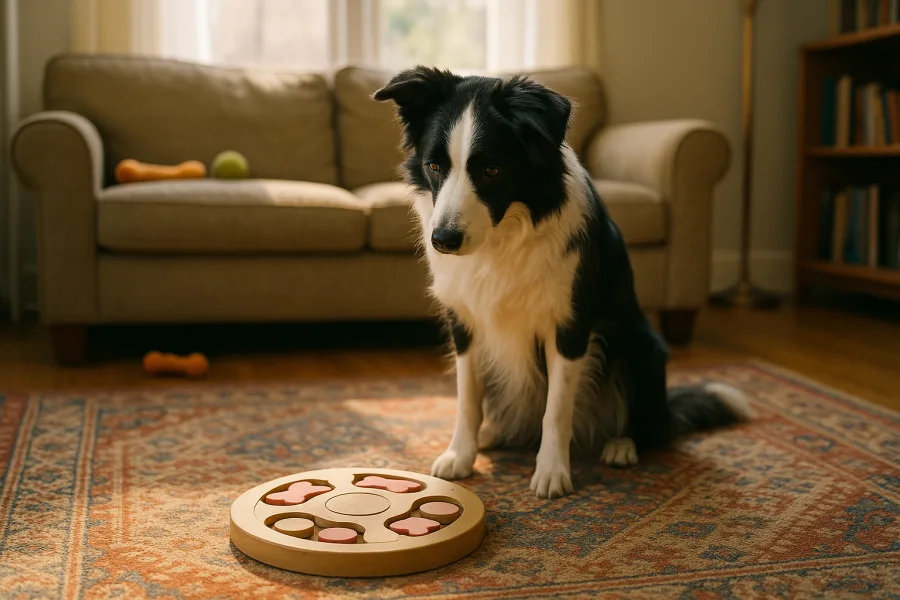
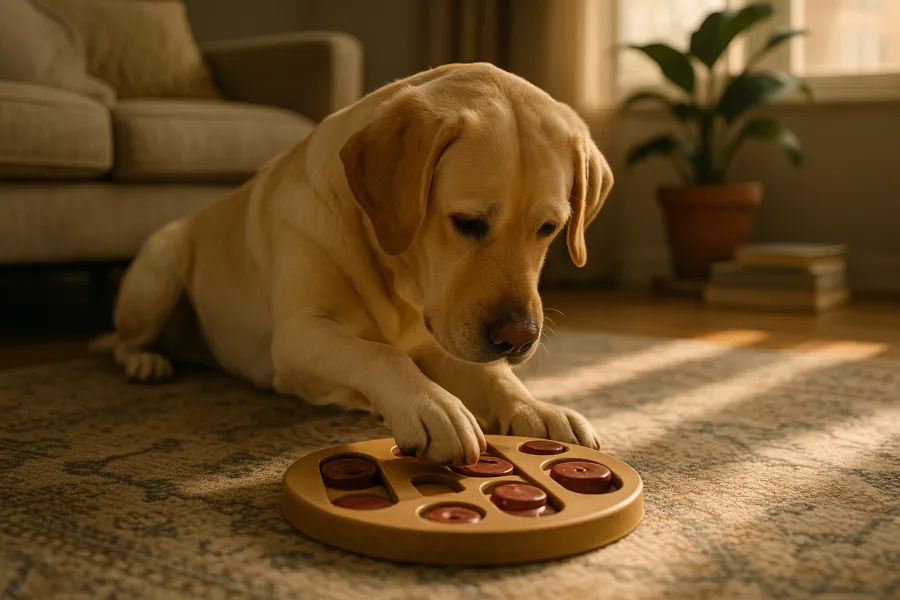
Exercise and Play: Ensure your dog gets enough physical exercise and mental stimulation. Regular walks, playtime, and engaging toys can help alleviate pent-up energy and stress. Incorporating puzzle toys or training exercises can also provide mental challenges that can distract from anxiety-inducing thoughts.
Consistency in Routine: Dogs thrive on predictability. Maintaining a consistent daily routine for feeding, walks, and playtime provides a sense of security. Establishing set times for these activities can help reduce anxiety by letting the dog know what to expect and when.
Calming Products: Consider using products designed to reduce anxiety, such as calming sprays, diffusers, or anxiety wraps. These products often contain natural ingredients like lavender or chamomile, known for their soothing effects. Anxiety wraps can provide comforting pressure, similar to swaddling a baby.
Positive Reinforcement: Reward calm behavior and gradually desensitize your dog to anxiety triggers through positive reinforcement training. This involves exposing your dog to a trigger in a controlled manner and rewarding them for remaining calm. Over time, this can help decrease their anxiety response.
Interactive Play: Incorporate interactive play sessions to strengthen the bond between you and your dog. Activities such as fetch, tug-of-war, or agility training provide both physical and mental stimulation, helping to alleviate anxiety.
When Should You Consult a Professional?
If your dog's licking persists despite your efforts, or if anxiety severely impacts their quality of life, it may be time to seek professional help. A veterinarian can rule out medical issues, while a certified dog behaviorist can provide specialized training and coping strategies tailored to your dog's needs. Don't hesitate to reach out for professional guidance to ensure your furry friend's well-being.
In some cases, medication may be necessary to manage severe anxiety. A veterinarian can prescribe anti-anxiety medication or supplements that help alleviate symptoms. Combining medication with behavioral therapy can be particularly effective for dogs with chronic anxiety issues.
Additionally, some dog owners find success with alternative therapies such as acupuncture, massage, or aromatherapy. These treatments can complement traditional methods and provide additional relief for anxious dogs.
Quick Summary
- Excessive licking can be a sign of anxiety in dogs.
- Anxiety symptoms include pacing, whining, and changes in appetite.
- Common anxiety triggers include environmental changes and lack of exercise.
- Provide exercise, a consistent routine, and a safe space to help manage anxiety.
- Consult a professional if anxiety persists or affects your dog's quality of life.
- Consider alternative therapies and medication for severe anxiety.

I've shared my home with pets for over 40 years. No letters after my name, just four decades of paying close attention. I've read widely, watched everything I could find, and learned most of what I know from living alongside animals every day. This site is where I share what I've picked up along the way.
More by Nicole Dance →