Is Your Dog Anxious or Stressed? Learn the Signs and Solutions
Identify if your dog is anxious or stressed by recognizing behavioral and physical signs. Learn what triggers stress and how to manage it effectively.

Understanding whether your dog is feeling anxious or stressed is vital to their overall well-being. Just like us, dogs can experience these feelings, and identifying the signs early on allows you to address any issues promptly. If you've noticed changes in your dog's behavior, such as excessive barking, whining, or unusual actions, it's important to determine if these are signs of anxiety or stress. Let’s take a closer look at the key indicators that might suggest your furry companion is feeling uneasy.
How Can I Tell If My Dog is Anxious or Stressed?
Recognizing stress in dogs involves observing a variety of behavioral signs. Common indicators include excessive barking or whining, which often release their nervous energy. Your dog might also pace back and forth, struggling to settle down. This can be especially noticeable during unusual situations, like when guests arrive or during trips to the vet. Destructive behaviors, such as chewing on furniture or digging, are classic signs, particularly if these occur when your dog is left alone. These actions might be attempts to relieve anxiety by channeling their energy. Changes in appetite or sleep patterns can also signal stress; a dog that usually eats eagerly might suddenly eat less, or a sound sleeper could become restless at night. Observing these changes together can give you a clearer picture of your dog's mental state.
What Physical Symptoms Should I Look For?
Besides behavioral changes, physical symptoms can offer clues about your dog's stress levels. Panting and trembling are common physical responses, often seen during stressful events like thunderstorms. Some dogs might drool excessively or shed more than usual when stressed. Increased shedding can be particularly telling, as it signals not only physical discomfort but also emotional strain. Keep an eye out for these symptoms, especially if they appear alongside behavioral signs. Additionally, watch for gastrointestinal issues, such as diarrhea or vomiting, which can also be stress-related. Observing these symptoms can help you assess whether stress is affecting your dog's physical health.
What Can Trigger Stress in Dogs?
Understanding what causes stress in dogs can help you mitigate or prevent it. Loud noises like thunderstorms or fireworks are well-known triggers, as they can be startling and overwhelming. Many dogs experience separation anxiety and become stressed when left alone, which can lead to destructive behaviors or escape attempts. Introducing new people or pets into the home can also be stressful, as can changes in routine, such as moving to a new house or altering feeding schedules. Dogs thrive on predictability, and disruptions can create a sense of unease. Recognizing these triggers allows you to manage your dog's exposure to stressful situations, either through gradual desensitization or by providing comfort during challenging times.
Is It Stress or Something Else?
It's crucial to differentiate between stress and other potential issues. Some medical conditions can mimic signs of stress, such as pain or illness. For example, a dog with arthritis might be reluctant to move due to pain, which could be mistaken for anxiety. Additionally, certain behaviors might simply be part of your dog's personality or breed traits. Some breeds are naturally more vocal or energetic than others. To distinguish between these, observe your dog's behavior over time and in various situations. If stress-related behaviors persist and occur in specific contexts, they're more likely to indicate anxiety. Consulting a veterinarian can help rule out medical conditions contributing to behavioral changes.
What Should I Do If My Dog is Stressed?
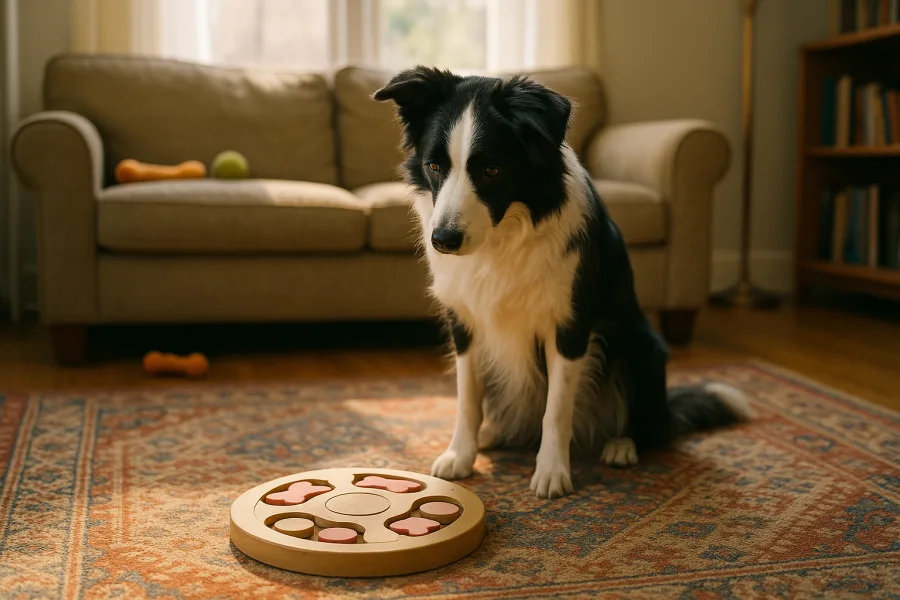
If you suspect your dog is stressed, several steps can help. First, try to identify and minimize their exposure to known triggers. Providing a safe, quiet space for your dog to retreat is beneficial, especially during events like thunderstorms. Regular exercise and mental stimulation can also help reduce stress levels. Activities like puzzle toys or obedience training offer both mental and physical outlets, distracting your dog from stressors. If your dog's stress seems severe or doesn't improve with these measures, consulting a veterinarian or a professional dog behaviorist for further advice is recommended. They can offer tailored strategies or recommend therapeutic interventions like anxiety wraps or pheromone diffusers.
How Can I Prevent Stress in My Dog?
Preventing stress in your dog involves proactive measures to keep them calm and content. Establishing a consistent daily routine provides stability, reducing uncertainty and anxiety. Ensuring your dog gets plenty of physical exercise and mental enrichment is key. Regular walks, playtime, and new experiences keep your dog physically fit and mentally engaged. Socialization with other dogs and people can help your dog become more adaptive and less prone to stress. Gradual exposure to new environments and experiences builds your dog's confidence. Regular health check-ups with a vet are also important to rule out any underlying medical issues that could contribute to stress. By maintaining overall health, you can prevent many stress-related issues before they start.
Quick Summary
- Signs of stress include excessive barking, pacing, and changes in appetite or sleep.
- Physical symptoms like panting and trembling may accompany behavioral changes.
- Common stress triggers include loud noises, separation, and changes in routine.
- Differentiate stress from medical issues by observing behavior over time.
- Manage stress with routine, exercise, and mental stimulation; seek professional help if needed.
For more detailed insights into recognizing and interpreting your dog’s body language, you can explore our comprehensive guide on decoding canine signals and meanings.

I've shared my home with pets for over 40 years. No letters after my name, just four decades of paying close attention. I've read widely, watched everything I could find, and learned most of what I know from living alongside animals every day. This site is where I share what I've picked up along the way.
More by Nicole Dance →