Understanding Dog Aggression: Key Body Language Signs
Discover key body language signs that indicate aggression in dogs and learn how to manage these behaviors for safety.
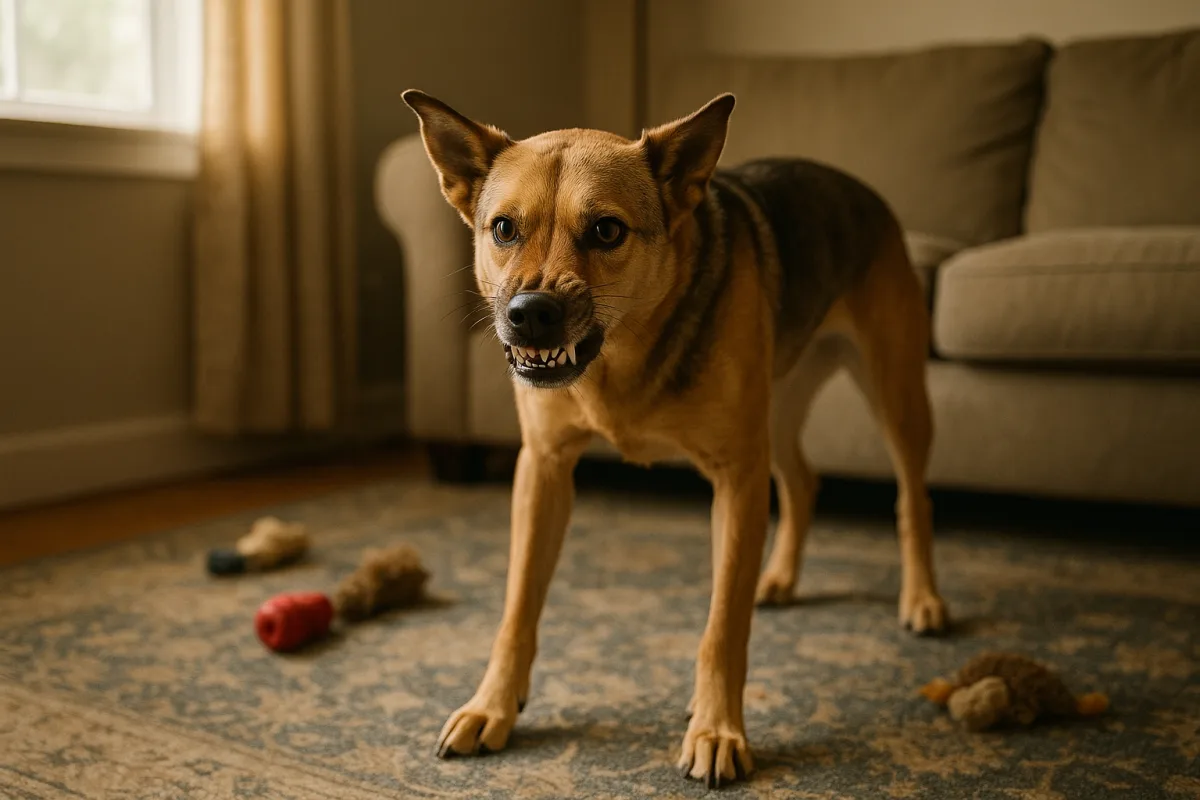
Dogs are our loyal companions, and understanding their body language can be vital in preventing aggressive incidents. By recognizing the signs of aggression in dogs, you can ensure the safety of yourself, your family, and your furry friend. This article aims to guide you in identifying these signals and provide practical advice for managing such behaviors.
What Are the Key Signs of Dog Aggression?
Dogs express their emotions and intentions through various body language cues. Recognizing signs of aggression is essential for preventing potential dangers. Key indicators of aggressive behavior include:
- Growling: This deep, guttural sound signals discomfort or a perceived threat. It often precedes more overt aggressive actions and should not be ignored.
- Baring Teeth: Showing teeth in a snarl or sneer indicates readiness to defend or attack. This clear visual signal means the dog feels threatened or is preparing for a confrontation.
- Stiff Posture: A rigid body, often with a low stance, suggests tension and aggression. This posture can make the dog appear larger and more intimidating, serving as a warning to others.
- Direct Stare: Intense, focused eye contact can signal a challenge or threat. Dogs use their eyes to communicate dominance or fear, and a direct stare often asserts control.
- Raised Hackles: Hair standing up on a dog’s back signals heightened arousal and potential aggression. This involuntary reaction is similar to human goosebumps, indicating the dog is on high alert.
- Snapping or Lunging: Quick, aggressive movements toward a perceived threat. These actions are often last-resort warnings before a bite and should be taken seriously.
These signs can vary, and not every dog will display all of them. Observing your own dog’s unique signals is crucial, as individual dogs may have specific ways of indicating their discomfort or aggression.
Why Does This Happen? Understanding Context
Interpreting dog body language requires understanding the context in which the behavior occurs. Not all signs of aggression are present in every situation, and some behaviors might be misinterpreted. For instance, a dog might growl during play, which doesn’t always indicate aggression. Contextual clues such as the dog’s environment and the presence of other animals or people play a critical role in understanding their behavior. Our complete guide to to Understand Your Dog's Facial Expressions has more on this if you want to dig deeper.
For example, a stiff posture might mean a dog is guarding its territory or responding to an unfamiliar environment. Understanding the broader situation is key to interpreting these cues accurately. Additionally, considering the dog's past experiences and current emotional state can provide further insight into why they might exhibit aggressive body language.
What Triggers Aggressive Body Language?
Several triggers can prompt aggressive behavior in dogs. Recognizing these triggers can help you manage the situation before it escalates:
- Fear: A frightened dog may react aggressively when cornered or startled. Fear-based aggression is often a defensive mechanism, and understanding the source of the fear can help in addressing the behavior.
- Territoriality: Dogs may show aggression to protect their home or favorite spaces. This behavior is instinctual and deeply rooted in a dog's need to secure its territory from intruders.
- Resource Guarding: Protecting food, toys, or even people can trigger aggression. This occurs when a dog feels that a valued resource is being threatened and can be managed with proper training and desensitization techniques.
Identifying these triggers involves observing when and where aggressive behaviors occur, helping prevent future issues. It's also important to note changes in the dog's environment or routine that might contribute to these behaviors.
How to Differentiate Aggression from Play?
Distinguishing between play and aggression can be challenging, but certain cues can help. During play, dogs often display loose and relaxed body language. They may bow, wag their tails loosely, and alternate roles with their playmates. In contrast, aggression is marked by tension, direct eye contact, and more rigid movements.
For example, a play bow (where a dog lowers its front legs and raises its hindquarters) is a clear indication of playfulness. Conversely, a direct, unyielding stare and bared teeth are strong signals of aggression. For further insight, you might explore how dogs use their ears and facial expressions to communicate emotions, such as ears perked forward indicating interest or laid back against the head suggesting fear or submission.
How to Prevent Aggressive Behavior?
Preventing aggression involves proactive measures such as proper socialization and training. Socializing your dog from a young age helps them feel comfortable around different people, animals, and environments. Training commands like “sit,” “stay,” and “leave it” can also provide control in situations where aggression might arise.
If you notice early signs of aggression, try calming techniques such as redirecting their attention, providing a safe space, or using positive reinforcement to reward calm behavior. Regular exercise and mental stimulation can also reduce anxiety and aggression in dogs. Ensuring your dog has a consistent routine and enough outlets for energy can prevent frustration and stress-related aggression.
When Should You Seek Professional Help?
While many aggression issues can be managed at home, there are times when professional help is needed. If your dog exhibits frequent, unpredictable aggression or if their behavior poses a risk to others, consulting a professional dog trainer or behaviorist is advised. These experts can assess the situation, identify triggers, and create a tailored behavior modification plan.
When choosing a professional, look for certifications from reputable organizations and experience with similar cases. This ensures you receive the best support for your pet’s needs. A professional can provide insight into advanced training techniques and offer guidance on implementing them safely and effectively. If you want the full picture, our guide to Does My Dog Show Its Belly and What Does It Mean? covers everything in depth.
Quick Summary
- Recognize key aggressive signals such as growling and stiff posture.
- Always consider the context when interpreting behavior.
- Identify triggers like fear, territoriality, and resource guarding.
- Differentiate aggression from play through body language cues.
- Prevent aggression with socialization and training; seek professional help if needed.
Understanding your dog's body language is crucial for maintaining a safe and harmonious environment. For more detailed insights into canine signals, explore our comprehensive guide on dog body language. This knowledge empowers you to nurture a strong, trusting relationship with your furry friend. If you want the full picture, our guide to Understanding Dog Body Language: Decode Canine Signals & covers everything in depth.

I've shared my home with pets for over 40 years. No letters after my name, just four decades of paying close attention. I've read widely, watched everything I could find, and learned most of what I know from living alongside animals every day. This site is where I share what I've picked up along the way.
More by Nicole Dance →