Essential Kitten Care: Your First-Year Guide for New Cat Owners
Learn how to care for your kitten in their first year, covering feeding, safety, and essential supplies for a healthy start.
Bringing a kitten into your home is an exciting and rewarding experience, but it also comes with the responsibility of ensuring your new furry friend grows up healthy and happy. The first year of a kitten's life is full of crucial developmental stages, and proper care during this time lays the foundation for a lifetime of wellbeing. This comprehensive guide will walk you through everything you need to know about kitten care in their first year, from feeding and health to socialization and safety.
What Are the Immediate Needs for a New Kitten?
Essential Supplies
Before bringing your kitten home, it's important to have all the necessary supplies ready to ensure a smooth transition. Essential items include a cozy bed, food and water dishes, high-quality kitten food, a litter box with litter, and some toys for play and mental stimulation. Don't forget a scratching post to satisfy their natural urge to scratch and a carrier for safe transport.
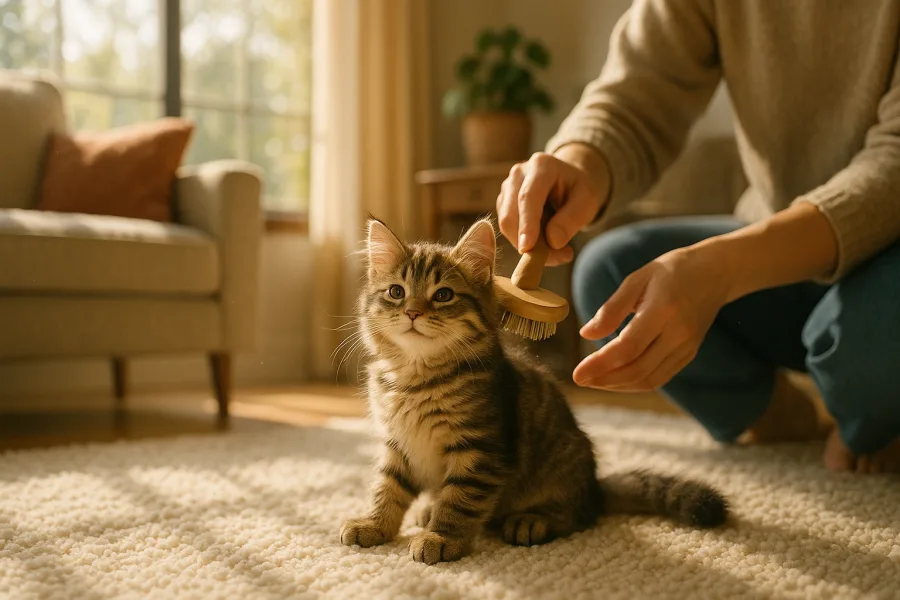
Besides these basics, consider getting a grooming kit that includes a brush suitable for your kitten's fur type, as regular grooming helps reduce shedding and prevent matting. A collar with an identification tag and a microchip can also provide added security in case your kitten gets lost. Having a variety of toys, like interactive toys and climbing structures, can help develop their agility and keep them entertained.
Preparing Your Home
Your home should be a safe and welcoming environment for your new kitten. Start by kitten-proofing areas where they will spend time. Remove or secure any items that could be harmful, such as electrical cords, small objects that could be swallowed, and toxic plants. Make sure windows and balconies are secure and provide a quiet space where your kitten can retreat and feel safe.
Also, consider the placement of the litter box; it should be in a quiet, easily accessible area where your kitten can have privacy. If you have other pets, introduce them slowly to the new kitten to prevent stress. Use baby gates if necessary to separate spaces initially. Remember, new surroundings can be overwhelming for a kitten, so be patient as they explore their environment at their own pace.
How to Feed Your Kitten for Optimal Health?
Choosing the Right Food
Kittens have specific nutritional needs different from adult cats. Look for a high-quality, nutritionally complete kitten food that supports growth and development. Wet food can be a good option for its moisture content, but dry food is beneficial for dental health. Consult with your veterinarian to determine the best diet for your kitten.
When selecting food, check the ingredients list to ensure it contains high-quality proteins and essential nutrients like taurine, DHA, and vitamins crucial for development. Avoid foods with excessive fillers or artificial preservatives. If you're considering a homemade diet, consult a veterinary nutritionist to ensure it's balanced and complete. Also, be mindful of any food allergies or sensitivities your kitten might have, and monitor for any adverse reactions.
Establishing a Feeding Schedule
Kittens require more frequent feeding than adults, typically three to four times a day until they are about six months old. As they grow, gradually reduce the frequency to twice daily. Always ensure fresh water is available. Transition to adult cat food around one year of age, or as recommended by your vet.
Establishing a consistent feeding routine helps regulate your kitten's digestion and energy levels. Try to feed them at the same times each day. If your kitten is a finicky eater, try warming wet food slightly or adding a bit of water to increase its appeal. Keep an eye on portion sizes to prevent overfeeding, which can lead to obesity. Your vet can provide guidance on the appropriate amount based on your kitten's age, weight, and activity level. We've covered this in detail in our article on Often Should You Feed Your Kitten in Their First Year?.
What Health and Veterinary Care Does Your Kitten Require?
Vaccination Schedule
Vaccinations are vital to protect your kitten from common diseases. Initial vaccinations typically start at six to eight weeks of age, with boosters following every few weeks until they are about 16 weeks old. Your vet will provide a vaccination schedule tailored to your kitten's needs. Our article on Essential Kitten Vaccinations for Their First Year goes into more detail on this specific point.
Core vaccines generally include those for feline distemper (panleukopenia), feline herpesvirus, calicivirus, and rabies. Depending on your kitten's lifestyle and environment, your vet may also recommend non-core vaccines for diseases like feline leukemia virus (FeLV). It's important to keep a record of their vaccination history and schedule booster shots as required to maintain immunity.
Common Health Issues
Watch for signs of common kitten ailments like upper respiratory infections, parasites, and gastrointestinal issues. Regular veterinary check-ups are crucial to catch any health problems early. If your kitten exhibits symptoms such as lethargy, loss of appetite, or unusual behavior, contact your vet promptly.
Preventative measures such as flea and tick control, regular deworming, and dental care also play a significant role in maintaining your kitten's health. Discuss with your vet the various options for parasite control and choose a suitable plan. Additionally, consider spaying or neutering your kitten around six months of age to prevent unwanted litters and reduce certain health risks.
How to Socialize Your Kitten and Understand Their Behavior?
Socialization Tips
Socialization during the early months is crucial for a well-adjusted adult cat. Introduce your kitten to different people, environments, and gentle handling. Use positive reinforcement with treats and praise to encourage good behavior and confidence.
Expose your kitten to a variety of sounds, such as vacuum cleaners, doorbells, and car rides, to reduce fearfulness. Engage them in interactive play to build trust and strengthen your bond. Attend kitten socialization classes if available, which provide controlled environments to meet other kittens and people, enhancing their social skills.
Recognizing Behavioral Cues
Understanding your kitten's body language and vocalizations can help you interpret their needs and emotions. Common cues include purring for contentment, hissing or growling when frightened, and kneading as a sign of comfort. Observing these cues can help you respond appropriately to their needs.
Pay attention to their tail movements and ear positions, which can indicate their mood. A flicking tail might signal irritation, while a relaxed tail suggests contentment. Ears held back often mean fear or aggression. By being attentive to these cues, you can adjust your interactions to avoid stress and promote a positive experience for your kitten.
How to Effectively Litter Train Your Kitten?
Step-by-Step Litter Training
Start litter training as soon as your kitten arrives home. Place them in the litter box after meals and naps to establish a routine. If they use the box successfully, offer praise and a small treat. Be patient and consistent, as accidents are part of the learning process. See our dedicated guide to Quick and Effective Tips to Litter Train Your Kitten for a more in-depth answer.
Choose a litter that your kitten is comfortable with; some might prefer clumping litter, while others do better with non-clumping options. Keep the box in a quiet, low-traffic area to encourage use. If your kitten has an accident, clean the area thoroughly to remove any scent that might attract them back. Never scold or punish them for accidents, as this can create fear and anxiety around litter box use.
Maintaining Hygiene
Keep the litter box clean, scooping daily and changing the litter regularly to encourage consistent use. Ensure the litter box is easily accessible, and consider having one more box than the number of cats in your household.
Place litter boxes on each floor of your home if you have a multi-story house, ensuring your kitten can easily access one no matter where they are. Regularly wash the litter box with mild soap and water to prevent odor buildup. Monitor for any signs of reluctance to use the box, which could indicate a health issue or a need for a different litter type.
Why Is Play Important for Your Kitten’s Development?
Suitable Toys and Games
Playtime is essential for a kitten's physical and mental development. Provide a variety of toys, such as balls, feather wands, and puzzle feeders, to keep them engaged. Rotate toys regularly to maintain their interest.
Incorporate interactive play sessions that mimic hunting behaviors, like chasing and pouncing, to stimulate their natural instincts. Laser pointers and electronic toys can offer additional entertainment. Be sure to end play sessions on a positive note by allowing your kitten to "catch" a toy, which satisfies their hunting instincts and prevents frustration.
Benefits of Regular Exercise
Regular play sessions help kittens burn off energy, prevent boredom, and develop coordination and social skills. Aim for at least two interactive play sessions per day, adjusting as your kitten grows and their energy levels change.
Exercise is not only crucial for maintaining a healthy weight but also for preventing behavioral issues that can arise from pent-up energy. Interactive playtime strengthens your bond with your kitten and provides mental stimulation, both of which are essential for their overall development and happiness.
How to Ensure Your Home Is Safe for a Kitten?
Kitten-Proofing Tips
To create a safe environment, secure loose wires, remove hazardous plants, and store chemicals and medications out of reach. Be mindful of small spaces where a curious kitten might get stuck and ensure windows and screens are secure.
Consider investing in safety latches for cabinets and drawers to prevent your kitten from accessing potentially dangerous items. Keep toilet lids closed and avoid leaving small objects like hair ties or rubber bands lying around, as these can be choking hazards. Regularly inspect your home for new potential hazards as your kitten grows and becomes more adventurous.
Potential Hazards
Be aware of potential dangers like open windows, hot surfaces, and small objects that could be swallowed. Supervise your kitten during exploration and gradually introduce them to new areas as they become more confident.
Ensure that any houseplants you have are non-toxic to cats, as kittens often chew on plants. Be cautious with household appliances like washing machines and dryers, ensuring they are always closed when not in use. Educate family members and housemates about the importance of keeping hazardous items out of reach and being vigilant about closing doors to unsafe areas.
What Are the Key Growth Milestones in Your Kitten’s First Year?
Physical and Behavioral Milestones
During the first year, your kitten will grow rapidly and reach several developmental milestones. Expect them to be playful and energetic, with growth spurts occurring around four to six months. They will begin teething and lose their baby teeth, so provide appropriate chew toys.
As they mature, your kitten will start to exhibit more independence and might test boundaries. It's a good time to teach basic commands and establish rules for acceptable behavior, such as discouraging biting or scratching. Gradually introduce grooming routines to help them become accustomed to being handled and cared for.
Signs of Healthy Development
Monitor your kitten's weight gain, coat condition, and behavior as indicators of healthy development. Regular vet visits will help ensure they are on track with growth and health milestones, allowing any issues to be addressed promptly.
Observe your kitten's interactions with family members and other pets for signs of social development. A well-socialized kitten will be curious and confident, showing interest in their surroundings. Any drastic changes in behavior, such as hiding or aggression, should be discussed with your vet to rule out underlying health issues or stressors in their environment.
Quick Summary
- Gather essential supplies and kitten-proof your home before bringing your kitten home.
- Choose a high-quality kitten food and establish a regular feeding schedule.
- Follow a vaccination schedule and be vigilant for common health issues.
- Socialize your kitten early and learn to recognize behavioral cues.
- Implement effective litter training and maintain a hygienic environment.
- Provide varied toys and regular play sessions for mental and physical exercise.
- Ensure your home is safe and free from potential hazards.
- Track key growth milestones and consult your vet for guidance.

I've shared my home with pets for over 40 years. No letters after my name, just four decades of paying close attention. I've read widely, watched everything I could find, and learned most of what I know from living alongside animals every day. This site is where I share what I've picked up along the way.
More by Nicole Dance →