When to Start Socializing Your Kitten with Other Pets
Learn the best age and methods to introduce your kitten to other pets for a smooth and harmonious transition.
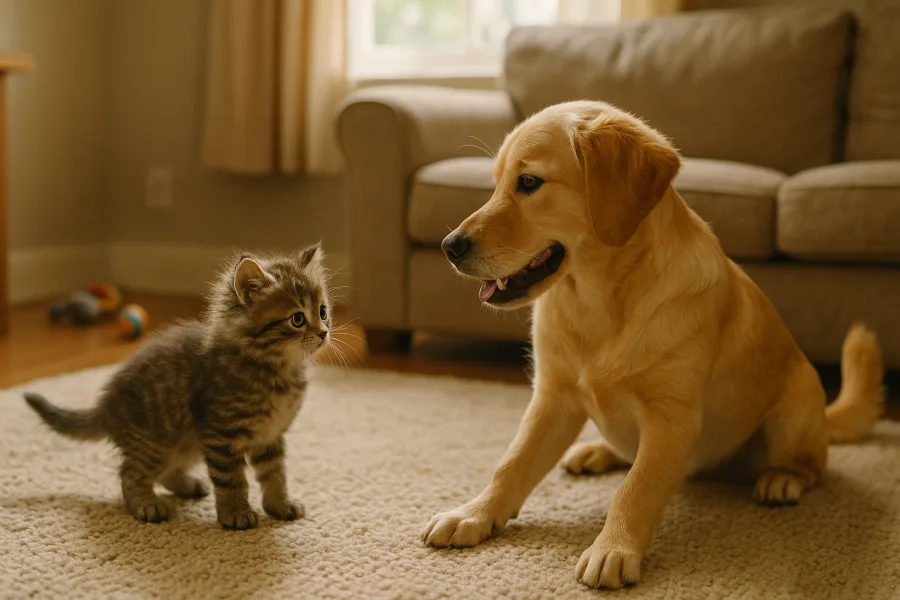
Bringing a new kitten into a home with existing pets can be both thrilling and a bit daunting. Ensuring a smooth transition for a harmonious multi-pet household is key. The best time to start socializing your kitten with other pets is between 2-7 weeks of age, though this can effectively continue until about 14 weeks. This early period is vital for shaping a well-adjusted and sociable cat.
Why Early Socialization Matters
Understanding your kitten's developmental stages is crucial for successful socialization. During the initial weeks of life, kittens are very receptive to new experiences. This phase, known as the critical socialization window, is foundational for their future behavior. Introducing them to other pets, people, and different environments during this time can help minimize fear and build confidence.
Early socialization is important because it teaches kittens how to interact properly with other animals. Kittens socialized during this critical period tend to be more adaptable and are less likely to develop behavioral problems, such as aggression or anxiety. By exposing them to various stimuli, you're helping them grow into confident and well-rounded adult cats.
Recognizing Readiness
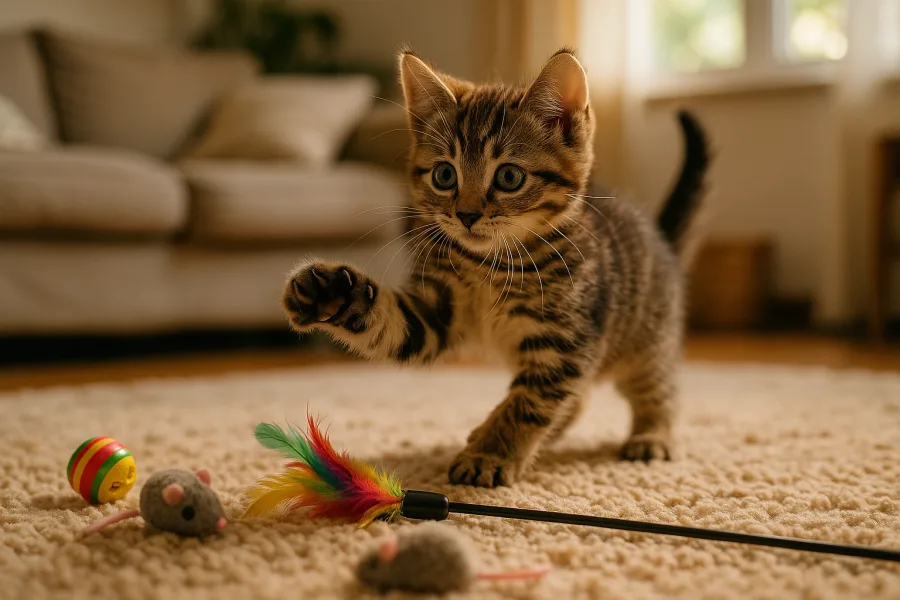
Not all kittens are ready to meet new friends at the same age. It’s important to watch your kitten for signs that they're prepared for socialization. A kitten ready for interaction usually shows curiosity, like approaching new objects or people without hesitation. They may also show an interest in play and exploration, indicating comfort in their surroundings.
Look for signs like relaxed body language, a playful demeanor, and a willingness to explore new areas. These behaviors suggest that your kitten is ready to meet other pets. Additionally, a kitten approaching new situations calmly and inquisitively is more likely to have positive interactions with other animals.
Preparing for the First Meeting
Before introducing your kitten to other pets, create a safe and controlled environment. Start by setting up a neutral meeting area where no pet has established territory. Gather essential items like toys, treats, and a safe space for your kitten to retreat to if they feel overwhelmed.
Help your existing pets get used to the kitten's scent by swapping bedding or using a synthetic feline pheromone spray. This reduces the initial shock of meeting a new animal, making the introduction smoother for everyone. Creating a positive association with the new smell can ease tension and set the stage for a successful introduction.
The Initial Introduction Process
Start introductions with brief, supervised sessions. Initially, keep the kitten and other pets separated by a barrier, like a baby gate, so they can see and smell each other without direct contact. This allows them to get used to each other's presence in a non-threatening way.
Gradually increase the time they spend together, watching their reactions closely. Reward calm and friendly behavior with treats and praise. If any pet shows signs of stress or aggression, separate them and try again later, proceeding at a pace comfortable for all involved. Patience and consistency are essential, as rushing can lead to setbacks and increased anxiety.
Common Issues and Solutions
Challenges such as aggression, fear, or territorial behavior can arise during introductions. If your kitten or other pets show aggression, redirect their attention with toys or treats and ensure they have a safe retreat. In cases of fear or anxiety, patience is key. Allow the kitten to observe from a distance and slowly increase exposure to other pets, always ensuring they feel secure.
Positive reinforcement is effective in promoting desirable behaviors. Reward calm interactions and offer plenty of reassurance to all pets involved. Consistent and gentle encouragement will help build confidence and reduce the likelihood of negative interactions.
How to Supervise and Intervene
During initial interactions, close supervision is crucial. Watch for signs of stress such as hissing, growling, or flattened ears. If any pet appears uncomfortable, intervene by gently separating them and giving them space to calm down.
Continue supervised sessions until all pets show relaxed and friendly behavior toward each other. Remember, each pet is unique and may need different amounts of time to adjust. Being attuned to the subtle cues of each animal will help you intervene appropriately and foster a peaceful coexistence.
Fostering Ongoing Positive Relationships
Once initial introductions are successful, continue fostering positive relationships. Engage all pets in group play sessions and offer equal attention to prevent jealousy. Keep a routine to help your kitten feel secure and integrated into the household.
Consistent positive interactions will strengthen bonds and promote a harmonious multi-pet environment as your kitten grows. Encourage activities that reinforce cooperation and mutual enjoyment among your pets. For more detailed advice on caring for your kitten, you can explore our guide on essential kitten care.
Recognizing the Need for Expert Intervention
Sometimes, professional help might be necessary, especially if aggressive or fearful behaviors continue despite your best efforts. Signs that call for expert intervention include severe aggression, persistent fearfulness, or if your pets can't be safely left alone together.
A professional animal behaviorist can provide tailored strategies and support to address specific issues and help ensure a peaceful household. Their expertise can be invaluable in diagnosing underlying issues and recommending effective solutions tailored to your pets' unique dynamics.
Quick Summary
- Start socializing kittens between 2-7 weeks, continuing until 14 weeks.
- Recognize readiness through relaxed and curious behavior.
- Introduce pets gradually, in controlled environments, with positive reinforcement.
- Supervise interactions closely, and address any aggression or fear with patience.
- Seek professional help if serious behavioral issues persist.

I've shared my home with pets for over 40 years. No letters after my name, just four decades of paying close attention. I've read widely, watched everything I could find, and learned most of what I know from living alongside animals every day. This site is where I share what I've picked up along the way.
More by Nicole Dance →