How to Groom Your Kitten for a Healthy, Shiny Coat
Discover essential grooming tips to keep your kitten's coat healthy and shiny, while strengthening your bond and ensuring their well-being.
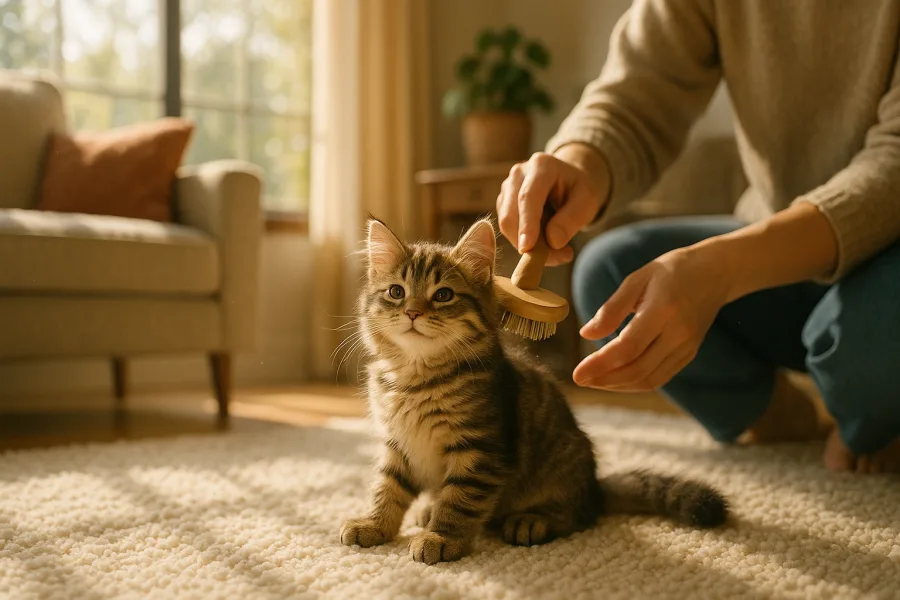
Grooming a kitten is an important practice that not only keeps your little companion looking their best but also supports their overall health. Regular grooming helps maintain a healthy, shiny coat while strengthening the bond between you and your kitten. As a new kitten owner, understanding how to groom can help you care for your pet with confidence and create a positive experience for both of you.
Why Is Regular Grooming Important?
Grooming is about more than just looks; it's vital for your kitten's health and well-being. Regular sessions help remove dirt, debris, and loose fur, preventing mats and tangles that can cause skin irritation. Mats can pull on your kitten's skin, leading to discomfort or even pain, and may cause infections if not addressed. Grooming also stimulates blood circulation and distributes natural oils, promoting a healthy coat and skin. Additionally, it gives you the chance to check for signs of fleas, ticks, or skin issues early. Detecting problems like rashes, bumps, or parasites early can lead to quicker, more effective treatments.
Grooming is also a wonderful way to build trust with your kitten. Gentle touch and attention during grooming help your kitten associate positive feelings with being handled, making future grooming sessions easier and more enjoyable. Starting a grooming routine early helps them get used to being handled, reducing stress and anxiety during vet visits or other necessary care.
What Tools Do I Need for Grooming a Kitten?
Choosing the right tools is essential for a safe and effective grooming session. Here are some must-have grooming tools for kittens:
- Soft-bristle brush: Ideal for kittens, this brush gently removes loose fur and massages the skin, which can be soothing for your kitten.
- Comb: A fine-toothed comb helps tackle tangles or mats, especially in long-haired breeds. It also aids in checking for fleas and flea dirt, which appear as tiny black specks.
- Nail clippers: These are designed for pets and help keep your kitten's nails trimmed to prevent snagging on furniture or self-injury during play.
- Pet-safe wipes: Handy for quick clean-ups, especially if your kitten gets into something messy. They're also useful for cleaning around the eyes and ears.
- Detangling spray or conditioner: Particularly helpful for long-haired breeds to manage knots without causing discomfort.
How Do I Groom My Kitten?
Grooming your kitten can be straightforward with the right approach. Follow this step-by-step guide to ensure safe grooming:
Step 1: Preparation
Select a quiet, comfortable area where your kitten feels secure. Gather all your grooming tools within reach and ensure the area is free from distractions and hazards, as kittens are naturally curious and may become restless.
Step 2: Brushing
Start with a soft-bristle brush, gently brushing in the direction of hair growth. This removes loose fur and untangles small knots. Be gentle around sensitive areas like the belly and underarms. Regular brushing helps keep the coat clean and minimizes shedding around your home.
Step 3: Combing
If your kitten has longer fur, use a fine-toothed comb to address any stubborn tangles or mats. Work from the ends of the fur toward the skin to avoid pulling. For particularly stubborn mats, use your fingers to gently separate the hairs before using the comb.
Step 4: Nail Clipping
Trim your kitten's nails every few weeks. Use pet-specific nail clippers and trim just the tip to avoid hitting the quick, which can be painful and cause bleeding. If you're unsure, consult a vet or groomer for guidance. Regular nail trimming prevents scratches and reduces the risk of nail-related injuries or infections.
How Can I Keep My Kitten Calm During Grooming?
Keeping your kitten calm and comfortable during grooming is key. Here are some tips to help:
- Introduce grooming gradually: Start with short sessions and gradually increase the time as your kitten becomes more comfortable. This helps build their tolerance and confidence.
- Use treats and praise: Reward your kitten with treats and gentle praise to create a positive association with grooming. This can make grooming a rewarding experience instead of a chore.
- Stay calm and patient: Your kitten can sense your emotions, so staying calm will help them feel more at ease. A soothing voice and gentle handling can make a significant difference.
- Take breaks: If your kitten becomes restless, take a short break and resume grooming when they're more relaxed. Forcing a session can lead to negative associations and increased stress.
How Often Should I Groom My Kitten?
The frequency of grooming depends on your kitten's coat type. Short-haired kittens usually need grooming once a week, while long-haired breeds may require daily attention to prevent mats and tangles. Regular grooming helps keep your kitten's coat healthy and manageable. Consistency is important, as it lets you monitor changes in your kitten's coat or skin that may need attention.
What Should I Do About Common Coat Issues?
Promptly addressing common coat issues can prevent discomfort and health problems:
- Tangles and mats: Use a detangling spray or conditioner and gently work through mats with a comb. Never cut mats out with scissors, as this can lead to accidental injury.
- Excessive shedding: Regular brushing can help manage shedding, and a balanced diet supports a healthy coat. Omega-3 fatty acids, found in some pet foods, can also promote a shiny coat.
- Dry skin: Ensure your kitten is hydrated; consult your vet if dry skin persists. Environmental factors like low humidity can contribute to dry skin, and your vet may recommend supplements or topical treatments.
Conclusion
- Grooming is essential for your kitten's health and bonding.
- Choose the right tools, such as a soft-bristle brush and pet-safe wipes.
- Follow a step-by-step grooming process to ensure safety and effectiveness.
- Use treats and praise to keep your kitten calm during grooming.
- Adjust grooming frequency based on your kitten's coat type.
For more detailed guidance on caring for your kitten, explore our comprehensive guide on kitten care in their first year. If you encounter persistent coat issues or if your kitten is particularly resistant to grooming, consulting a professional groomer or veterinarian is advisable. Professional advice ensures your grooming practices are effective and keeps your kitten healthy and comfortable.

I've shared my home with pets for over 40 years. No letters after my name, just four decades of paying close attention. I've read widely, watched everything I could find, and learned most of what I know from living alongside animals every day. This site is where I share what I've picked up along the way.
More by Nicole Dance →