How to Help Your Shy Puppy Become More Social
Discover gentle techniques to help your shy puppy become more social and confident in various environments and situations.
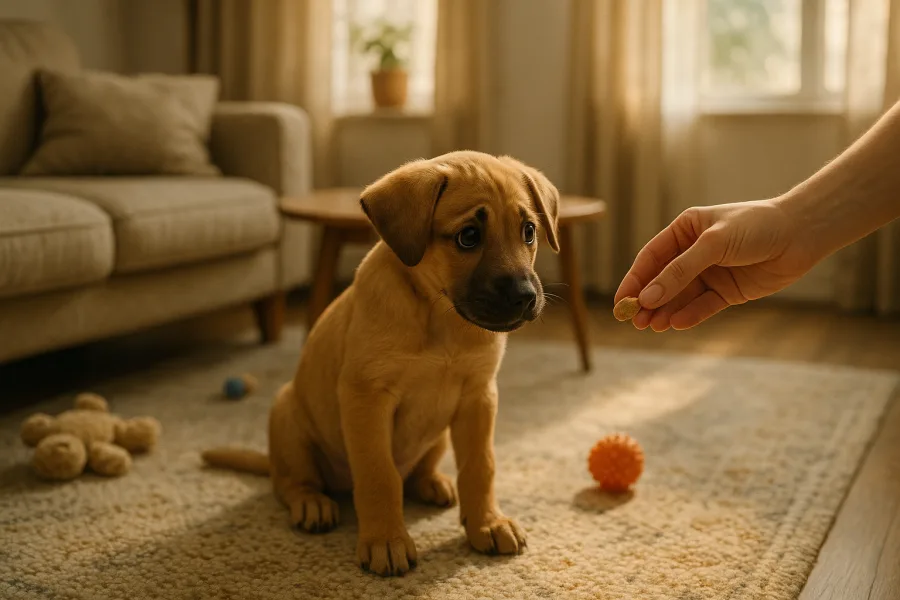
Helping a shy puppy become more social is a meaningful task that can greatly enhance their overall happiness and behavior. Socialization is not just about making your puppy friendly; it's about providing them with the confidence to navigate various situations, people, and environments. This journey begins with understanding your shy puppy's unique needs and applying gentle techniques to help them explore and engage with the world.
Why Is My Puppy Shy?
Puppies can be shy for several reasons. Sometimes, it's simply a part of their personality or a trait of their breed's natural temperament. Some puppies might not have had enough exposure to different environments and experiences during their early development, leading to cautious behavior. Additionally, early negative experiences with people or other animals can make a puppy more hesitant. If a puppy wasn't properly socialized during the critical window of 3 to 14 weeks, they might be more prone to shyness. Recognizing these factors is important for tailoring your approach to help them become more social.
How Can I Help My Shy Puppy?
Understand Puppy Socialization
Socialization is a crucial period in a puppy's life that shapes their future behavior. During this time, puppies learn how to interact with other animals, people, and environments. The goal is to ensure these experiences are positive and informative, laying the foundation for a confident and balanced adult dog. This involves exposing them to various experiences, like meeting different types of people, hearing different sounds, and encountering new situations. For more detailed strategies, consider exploring socialization techniques tailored to your puppy's pace.
Start Slowly
Introducing your puppy to new environments and situations should be a gradual process. Begin with short, controlled outings to quieter places where your puppy can explore without feeling overwhelmed. A peaceful park or a friend's backyard can be a great start. As they grow more comfortable, gradually increase the complexity and noise level of the environments. Take them on short car rides or introduce them to the sights and sounds of a bustling street. This step-by-step approach helps build confidence without pushing your puppy beyond their comfort zone.
Positive Reinforcement
Positive reinforcement is one of the most effective ways to encourage your puppy's social behavior. Reward your puppy with treats and praise whenever they show curiosity or calmness in new situations. This helps them associate social experiences with positive outcomes. Using a clicker can also be a useful tool for marking desired behaviors. Consistent positive reinforcement fosters trust between you and your puppy, making them more willing to engage.
Controlled Socialization
Arrange playdates with other well-behaved dogs to give your puppy opportunities for social interaction in a controlled environment. Ensure the other dogs are vaccinated and friendly to avoid negative experiences. Choose dogs with calm temperaments that won't overwhelm your puppy. You can also check out tips on safely introducing your puppy to other dogs to ensure these interactions are positive and productive.
Expose to Different Stimuli
Gradually exposing your puppy to various sounds, sights, and experiences is crucial for their social development. Start with common household noises like the vacuum cleaner or doorbell, and slowly introduce them to louder environments like busy streets. Consider using recordings of thunderstorms or fireworks to help them get accustomed to these sounds in a controlled manner. Always supervise these experiences to ensure they remain positive and step in if your puppy shows signs of stress. For a broader look at this subject, see our guide to Avoid These Common Socialization Mistakes with Your Puppy.
Reading Puppy Body Language
Learning to recognize your puppy's body language is key to identifying stress signals. Look for signs such as a tucked tail, flattened ears, or excessive panting, which indicate your puppy might be overwhelmed. Yawning and lip licking can also be subtle signs of stress. If you notice these signals, it's important to remove them from the situation and provide comfort. Knowing when to give your puppy a break helps prevent negative associations with socialization.
Consistency and Patience
Consistency is vital in helping a shy puppy become more social. Regular practice in different settings reinforces positive behavior. Patience is equally important; every puppy is unique and progresses at their own pace. Some may take a bit longer to open up, and that's perfectly okay. Maintain a calm and reassuring demeanor to help your puppy feel safe and secure throughout the process. Celebrate small victories to encourage both yourself and your puppy.
When to Seek Professional Help?
If your puppy's shyness persists despite your efforts, or if they show signs of fear aggression, it may be beneficial to consult a professional dog trainer or behaviorist. Experts can provide personalized guidance and training techniques tailored to your puppy's specific needs. They might suggest behavior modification techniques or desensitization exercises. Addressing these issues early on is important to prevent them from becoming ingrained behavioral patterns.
Quick Summary
- Early socialization is vital for a well-adjusted puppy.
- Introduce new experiences gradually and positively.
- Use positive reinforcement to encourage social interactions.
- Recognize stress signals and respect your puppy's limits.
- Be patient and consistent in your approach.
Helping a shy puppy become more social may take time, but with dedication and the right approach, you can set your furry friend on the path to a confident and happy life. Remember, every puppy is different, and observing their behavior closely will guide you in adjusting your strategies to best suit their needs. Encourage their growth by providing a loving and supportive environment, and celebrate the progress they make along the way.

I've shared my home with pets for over 40 years. No letters after my name, just four decades of paying close attention. I've read widely, watched everything I could find, and learned most of what I know from living alongside animals every day. This site is where I share what I've picked up along the way.
More by Nicole Dance →