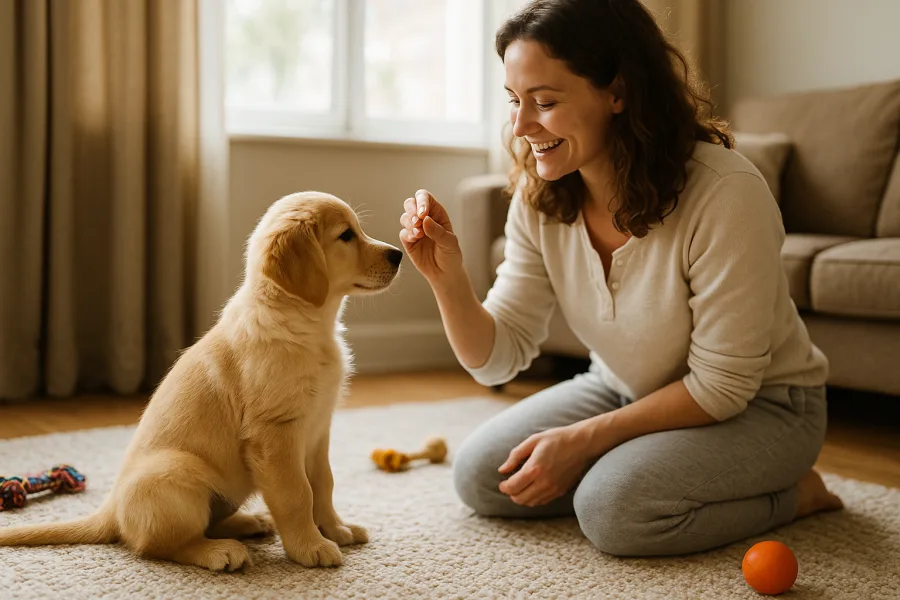
The Ultimate Guide to Puppy Socialization Techniques and Timing
Discover when and how to socialize your puppy effectively to prevent behavioral issues and ensure they grow into confident adult dogs.
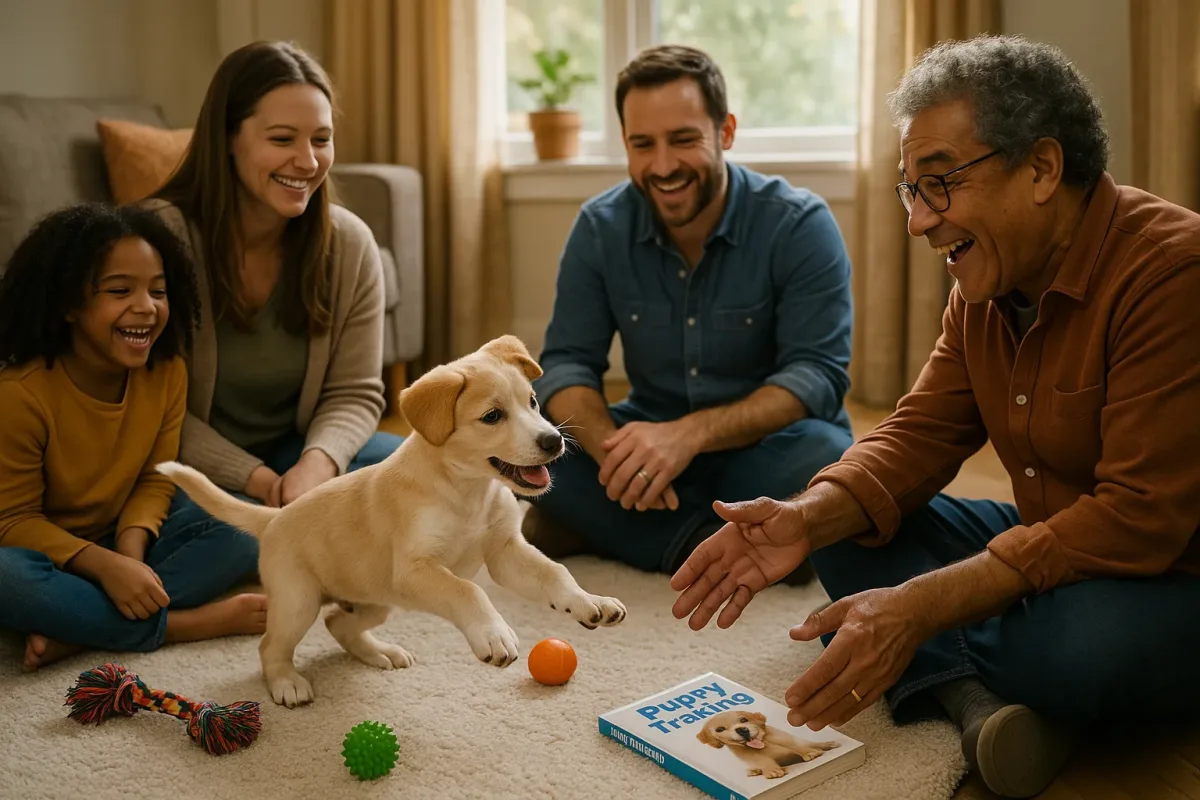
Socializing your puppy is a vital step in helping them grow into a well-adjusted, confident adult dog. Effective socialization can prevent behavioral issues like fear, anxiety, and aggression. This guide offers essential techniques and timing strategies to make the socialization process both effective and enjoyable for you and your puppy.
When to Start Socializing Your Puppy
The ideal time to begin socializing your puppy is between 3 and 14 weeks of age. This period is known as the "critical socialization window," during which puppies are most open to new experiences. Early socialization is crucial because puppies are naturally more curious and less fearful of new situations. At this stage, they absorb information about their surroundings, learning what is safe and what is not, which helps shape their personalities and behavior for life. Our article on What's the Best Age to Start Socializing Your Puppy? goes into more detail on this specific point.
However, if your puppy is older than 14 weeks, it's still possible to socialize them. You may need extra patience and understanding, as older puppies might require more encouragement and slower exposure to new experiences. With consistent, gentle socialization, they can adapt well to new situations. Always approach socialization carefully, keeping experiences positive and low-stress to ensure your puppy feels comfortable and open to learning.
Key Socialization Periods
3 to 7 Weeks: Early Socialization
In this phase, puppies mainly learn from their mother and littermates. Breeders or shelters play a key role by gently handling them and exposing them to various sounds and sights. This early stage is crucial for developing basic social skills and understanding canine communication. Interactions with littermates teach puppies about bite inhibition, play etiquette, and social boundaries.
If you have your puppy during this time, focus on gentle handling and soothing interactions. Simple activities like holding your puppy close, speaking softly, and introducing them to mild household noises can lay the groundwork for confidence in different situations. Early exposure helps build a foundation for more extensive socialization as your puppy grows.
8 to 12 Weeks: Primary Socialization
This period is the most critical for socialization. Introduce your puppy to a wide range of experiences, such as meeting different people, hearing diverse sounds, and exploring new environments. Ensure these experiences are positive by using treats and praise to create good associations. During this time, puppies are particularly impressionable, and positive interactions significantly impact their ability to handle stress and adapt to change.
Include a variety of experiences, such as car rides, vet visits, and exposure to different surfaces like grass, concrete, and carpets. These diverse experiences help your puppy become adaptable, reducing the chances of fear-based reactions later. The more positive experiences your puppy has, the stronger their confidence as they grow.
12 to 16 Weeks: Continued Exposure
Continue exposing your puppy to new experiences, but at a more cautious pace. Puppies might become more wary of new situations, so ensure encounters remain positive and not overwhelming. Gradually increase the complexity of their socialization experiences. For instance, if your puppy is comfortable meeting one new person, gradually introduce them to small groups.
During this stage, reinforce familiar experiences to ensure they stay positive. Regularly revisit earlier socialization activities, like meeting other dogs or hearing loud noises, to strengthen your puppy's confidence. Additionally, start basic obedience training to encourage good behavior and responsiveness in various environments, supporting their social development.
Essential Socialization Techniques
Exposure to Different Environments
Take your puppy to various safe environments like parks, pet-friendly stores, and friends' homes. This helps them adapt to different settings and reduces the likelihood of fear in unfamiliar places. Make each outing an adventure by allowing your puppy to observe and explore at their own pace. Encourage exploration by gently guiding them toward new sights and sounds, rewarding calm behavior.
Vary your puppy's experiences by exposing them to different types of environments. Urban settings with bustling streets, quiet rural areas, and busy household gatherings provide valuable learning opportunities. Experiencing these diverse settings helps your puppy learn to be adaptable and confident in various scenarios.
Meeting New People and Animals
Introduce your puppy to a range of people, including men, women, children, and individuals in different clothing or accessories. This diversity helps prevent specific fears, such as a fear of people with hats or glasses. Encourage gentle and calm interactions, always supervising these introductions to ensure positivity.
Ensure they have positive interactions with other vaccinated dogs to learn appropriate canine social behavior. Puppy playdates or controlled group classes provide safe environments for these interactions. Observe your puppy's body language to ensure comfort and adjust settings as needed to prevent overwhelming them.
Handling and Grooming
Get your puppy used to being touched and handled in ways they'll experience throughout their life. Gently touch their paws, ears, and mouth, and introduce grooming tools like brushes and combs. Early exposure prevents anxiety during grooming sessions and vet visits in the future. Regularly practice handling exercises, such as checking their teeth or gently examining their ears, to ensure comfort with being handled.
Incorporate gentle grooming routines into your puppy's daily activities, like brushing their coat or wiping their paws after walks. Make these sessions enjoyable by offering treats and praise, helping your puppy associate grooming with positive experiences.
Creating Positive Experiences
Positive reinforcement is key to successful socialization. Reward your puppy with treats, praise, and play whenever they encounter something new and respond calmly or positively. This helps them form positive associations with new experiences and encourages confidence in unfamiliar situations.
Keep sessions short and end on a positive note. If your puppy shows signs of anxiety or fear, back off and try a different approach later. Never force your puppy into uncomfortable situations, as this can lead to negative associations and increased fear. Instead, gradually build their confidence by slowly reintroducing challenging experiences with positive reinforcement.
Handling Socialization Challenges
Addressing Fear
If your puppy shows fear, give them space and allow them to approach new stimuli at their own pace. Use treats and a calm voice to reassure them, but don't excessively coddle them, as this can reinforce fear. Instead, encourage bravery by rewarding small steps toward new experiences. Celebrate any progress to build their confidence.
Identify specific triggers causing fear and work on these gradually. For example, if your puppy is scared of loud noises, start with quieter sounds and increase the volume as they become more comfortable. Desensitization, combined with positive reinforcement, can effectively reduce fear responses over time.
Managing Aggression
Aggression can sometimes stem from fear. If your puppy displays aggressive behavior, consult a professional trainer or behaviorist for tailored guidance. Addressing aggression early can prevent it from becoming a long-term issue. A professional can assess the underlying causes and create a customized management plan.
Meanwhile, avoid situations that might provoke aggression until you have the skills and guidance to handle them. Focus on reinforcing positive behaviors and rewarding calm interactions to encourage a balanced temperament.
Signs of Successful Socialization
A well-socialized puppy usually shows confidence and curiosity in new situations. They should greet people and other dogs calmly and adapt to various environments without excessive fear or anxiety. You'll notice a friendly demeanor and eagerness to explore. A socialized puppy is more likely to enjoy vet visits, grooming sessions, and interactions with others. Read our article on to Safely Introduce Your Puppy to Other Dogs for a more detailed breakdown.
Additionally, a well-socialized puppy often recovers quickly from initially startling experiences, demonstrating resilience and adaptability. Observing these behaviors indicates your socialization efforts are succeeding, and your puppy is on the path to becoming a well-adjusted adult dog.
Common Mistakes to Avoid
A common mistake is overwhelming your puppy with too much too soon. Gradual exposure is more effective and less stressful. Avoid reinforcing fearful behavior by over-comforting your puppy when scared. Instead, provide reassurance through calm exposure and positive reinforcement. Another mistake is not continuing socialization beyond the early months, leading to regression in social skills. Our article on Avoid These Common Socialization Mistakes with Your Puppy goes into more detail on this specific point.
Avoid negative experiences during socialization, like harsh corrections or forcing your puppy into uncomfortable situations. These can create lasting negative associations and hinder development. Aim for positive, gentle interactions to foster confidence and trust.
Long-term Socialization Strategies
Socialization doesn't stop after puppyhood. Continue exposing your dog to new experiences throughout their life to maintain their social skills and confidence. Regular walks, playdates, and training classes are excellent for ongoing socialization. These activities offer opportunities for practicing social skills and adapting to new environments.
Remember, consistency and positive experiences are key. Keep introducing your dog to different people, animals, and settings to ensure they remain adaptable and comfortable in various situations. Lifelong socialization helps prevent behavioral issues and contributes to a happy, well-rounded adult dog.
Summary: Key Takeaways
- Start socializing your puppy between 3 and 14 weeks for optimal results. Early socialization lays the foundation for a confident and well-adjusted adult dog.
- Focus on gradual exposure to various people, places, and experiences. This varied exposure helps your puppy become adaptable and less fearful of new situations.
- Use positive reinforcement to create good associations. Rewarding calm behavior encourages your puppy to approach new experiences with confidence.
- Handle socialization challenges like fear and aggression with patience. Gradual desensitization and professional guidance can effectively address these issues.
- A well-socialized puppy is confident, curious, and adaptable. They approach new situations with interest and handle changes with ease.
- Avoid overwhelming your puppy with too much at once. Gradual, positive exposure is more effective and less stressful.
- Continue socialization efforts throughout your dog’s life. Lifelong socialization ensures your dog remains confident and well-behaved in various situations.

I've shared my home with pets for over 40 years. No letters after my name, just four decades of paying close attention. I've read widely, watched everything I could find, and learned most of what I know from living alongside animals every day. This site is where I share what I've picked up along the way.
More by Nicole Dance →