Is Your Dog's Floor Licking Habit Normal or Concerning?
Explore why dogs lick floors, from harmless habits to potential health concerns. Find out when to consult a vet for your dog's licking behavior.
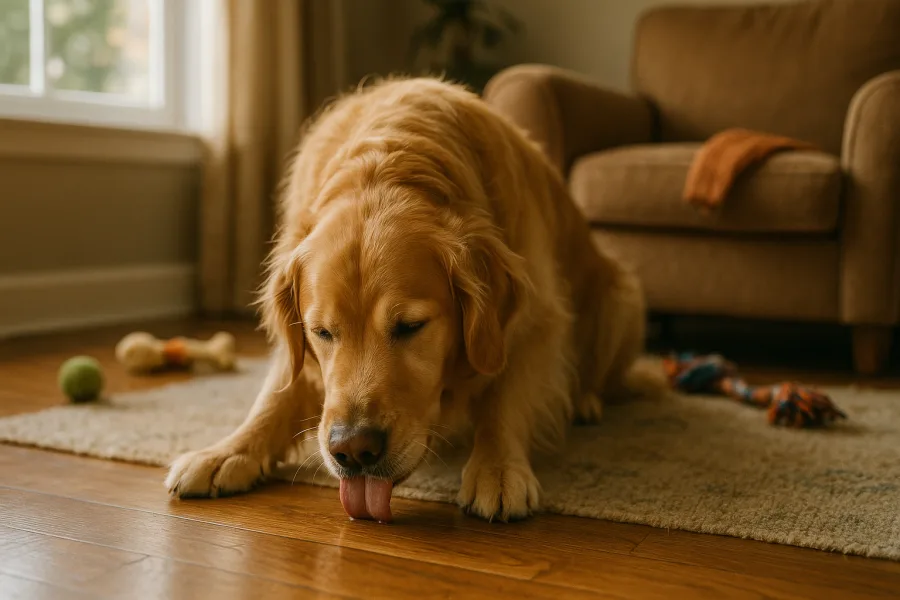
If you've observed your dog frequently licking the floor, you might be curious whether this behavior is normal or a cause for concern. Occasionally licking the floor is generally harmless, but if it's constant, it could indicate underlying issues that need attention. Understanding why your dog engages in this behavior can help you decide if it's just a quirky habit or something more serious.
Why Do Dogs Lick Floors?
There are several harmless reasons your dog might lick the floor. One common reason is cleaning up traces of food or drink that have fallen. Thanks to their keen sense of smell, dogs can detect residues invisible to us. This behavior is part of their natural scavenging instinct, inherited from their wild ancestors who relied on foraging to survive. Additionally, licking is a way for dogs to explore their environment, similar to how humans use their hands to touch and feel objects.
Boredom might also lead dogs to lick floors. If your dog isn't getting enough mental or physical stimulation, they might resort to this behavior for entertainment. Dogs are intelligent creatures that thrive on interaction and engagement, and without sufficient stimulation, they may develop habits like floor licking. Providing plenty of toys and regular exercise can help reduce this kind of licking. Interactive toys or puzzle feeders can offer the mental challenges they crave.
Could It Be a Health Issue?
While many reasons for floor licking are benign, health-related causes should be considered. Gastrointestinal issues, such as nausea or an upset stomach, might lead dogs to lick surfaces excessively as a way to soothe themselves or induce vomiting. Like humans, dogs may feel the need to relieve digestive discomfort, and licking can serve as a self-soothing mechanism.
Nutritional deficiencies, such as a lack of certain vitamins or minerals, might also prompt a dog to lick floors in search of missing nutrients. If you suspect a nutritional issue, it's wise to consult a veterinarian to evaluate your dog's diet and make necessary adjustments.
Other potential health concerns include dental issues or oral discomfort, which might cause a dog to lick obsessively. Dental pain or oral infections can lead to increased licking as the dog tries to alleviate discomfort. In some cases, licking can be a symptom of Cushing's disease or other metabolic disorders. If you notice additional symptoms like vomiting, diarrhea, or changes in appetite and energy levels, it's crucial to consult your veterinarian to rule out medical issues. For more reasons behind dogs' licking behaviors, explore our detailed guide on canine licking behavior.
Is It a Behavioral Problem?
Behavioral issues might also be behind your dog's floor licking. Anxiety or stress can lead to compulsive behaviors, including excessive licking. Dogs might lick floors to comfort themselves when they're feeling anxious. Common triggers include separation anxiety, changes in routine, or environmental changes like moving to a new home or the addition of a new pet or family member.
In some instances, dogs develop obsessive-compulsive tendencies, similar to humans, which can manifest as repetitive floor licking. This behavior can become ingrained over time, making it difficult to break without professional help. If you believe your dog's behavior is anxiety-driven, consulting with a professional dog behaviorist may be beneficial. Techniques like desensitization and counter-conditioning can help your dog cope with anxiety and reduce obsessive licking.
When Should You Be Concerned?
It's essential to recognize when floor licking shifts from a harmless habit to a concern. If your dog's licking is accompanied by other unusual behaviors or symptoms, such as vomiting, diarrhea, or lethargy, it's time to seek veterinary advice. These symptoms could indicate an underlying health issue that needs medical attention. Similarly, if your efforts to redirect the behavior through enrichment and exercise are unsuccessful, consulting with a veterinarian or behaviorist is recommended.
Persistent licking that disrupts your dog's normal activities or appears compulsive should not be ignored. A professional can help identify the root cause and suggest appropriate treatments or interventions. Early intervention can prevent the escalation of both health and behavioral issues, ensuring your dog remains healthy and happy.
How to Address and Prevent Floor Licking
To manage and reduce floor licking at home, start by ensuring your dog has a clean environment free of food residues. Regularly cleaning your floors can decrease the likelihood of licking out of habit. Providing engaging toys and activities can also help keep your dog mentally and physically stimulated, reducing boredom-induced licking. Consider rotating toys to maintain your dog's interest and prevent them from becoming bored with the same items.
For dogs experiencing anxiety, creating a calm and stable environment is key. You might consider using calming aids such as pheromone diffusers or anxiety wraps. These tools can provide comfort and reduce stress levels. Additionally, consistent routines and positive reinforcement training can help ease anxiety and curb compulsive behaviors. Training sessions can also serve as bonding time, strengthening your relationship with your dog and enhancing their sense of security.
Prevention is always better than cure. By maintaining a balanced diet, regular vet check-ups, and a stimulating environment for your dog, you can help prevent the development of problematic licking behaviors. Engage your dog in regular exercise and socialization opportunities to fulfill their physical and emotional needs. This proactive approach can greatly reduce the likelihood of floor licking becoming an issue.
Quick Summary
- Occasional floor licking is usually normal, but constant licking may need attention.
- Common causes include leftover food, exploratory behavior, or boredom.
- Health issues like gastrointestinal problems or nutritional deficiencies can prompt licking.
- Anxiety or obsessive-compulsive behaviors may lead to excessive licking.
- Consult a vet if licking is persistent or accompanied by other symptoms.

I've shared my home with pets for over 40 years. No letters after my name, just four decades of paying close attention. I've read widely, watched everything I could find, and learned most of what I know from living alongside animals every day. This site is where I share what I've picked up along the way.
More by Nicole Dance →