How Often Should You Brush Your Cat's Teeth? Expert Tips Inside
Learn how often to brush your cat's teeth, signs of dental issues, and tips for effective brushing to ensure your cat's health and well-being.
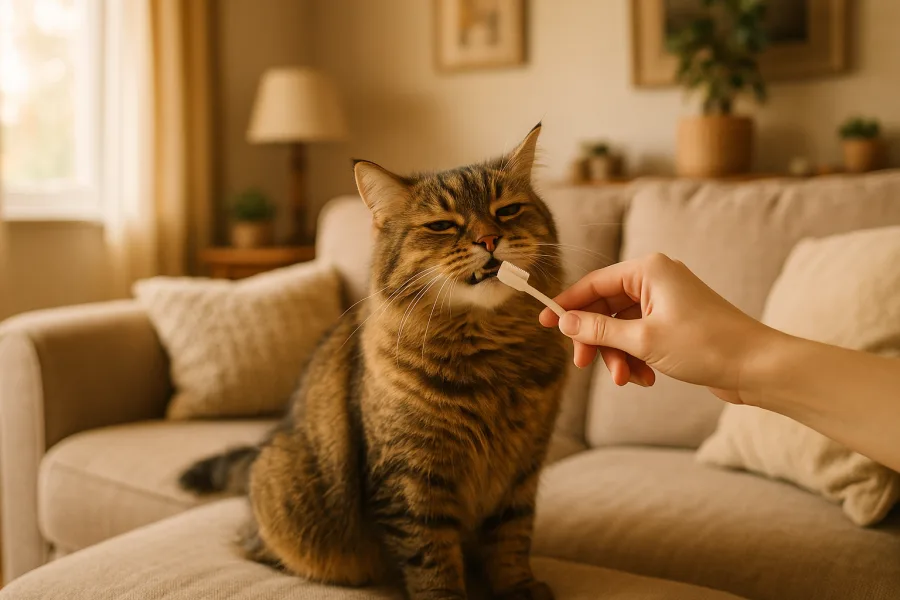
Brushing your cat's teeth is crucial for their overall health, yet many cat owners aren't sure how often it should be done. Veterinarians recommend brushing your cat's teeth daily. However, if that's not possible, try to brush them a few times a week to help prevent dental diseases. Dental care is not just about keeping their mouth clean; it plays a vital role in your cat's overall well-being, as poor dental hygiene can lead to more serious health issues.
What Are the Signs My Cat Needs More Frequent Brushing?
Even with regular brushing, you should keep an eye out for signs that your cat might need extra dental care. Bad breath is a common and noticeable sign of potential dental problems. Tartar buildup on the teeth or red, swollen gums also indicate that more frequent brushing might be necessary. Additionally, if your cat seems to struggle with eating, frequently drops food, or paws at their mouth, these could be signs of oral discomfort that need immediate attention. Such symptoms can suggest more serious dental issues that may require professional care.
Why Is Regular Brushing Important for Cats?
Regular brushing helps prevent periodontal disease, a common condition in cats that can cause pain and tooth loss. By keeping a consistent dental care routine, you can lower the risk of such diseases. Brushing also helps control bad breath and supports overall health, as dental issues can sometimes lead to serious health problems affecting other organs. Infections in the mouth can potentially spread to vital organs like the heart, liver, and kidneys, causing complications that regular dental care could prevent. Therefore, investing time in brushing your cat’s teeth can greatly contribute to their long-term health and quality of life.
How Can I Overcome Challenges in Brushing My Cat's Teeth?
Brushing a cat's teeth can be tricky, but some strategies can make it easier. Start by letting your cat get used to the taste of the toothpaste. Choose cat-friendly toothpaste in flavors like chicken or fish to make the process more enjoyable. Gradually introduce the toothbrush, perhaps starting with your finger or a soft cloth before moving to a small, cat-specific toothbrush. Patience and positive reinforcement, like treats or affection, can help your cat see brushing as a positive experience. Try to create a calm environment during brushing sessions, pick a quiet time when your cat is relaxed, like after a meal or playtime, when they’re less likely to resist.
What Are the Alternatives to Brushing My Cat's Teeth?
If regular brushing isn't always possible, there are alternatives to help maintain your cat’s dental health. Dental treats and chews are designed to reduce plaque and tartar buildup. Their texture helps clean the teeth as the cat chews, making them a handy supplement to brushing. Water additives can also support oral hygiene by freshening breath and reducing tartar. Simply add them to your cat's water bowl to combat bacteria in the mouth. Special dental diets are available that promote better dental health; they often contain kibble designed to clean the teeth while your cat eats. Always consult with your veterinarian before introducing new dental products to ensure they are safe and effective for your cat. Your vet can recommend specific products and provide guidance on incorporating them into your cat's routine.
What Tools and Techniques Should I Use?
Choosing the right tools can make a big difference. Use a toothbrush specifically designed for cats, which is usually smaller and has softer bristles than human brushes. Never use human toothpaste, opt for those made for cats. When brushing, gently lift your cat’s lip and use small, circular motions, focusing on the outer surfaces where plaque and tartar are most likely to build up. Establishing a regular schedule for brushing is also beneficial, as cats thrive on routine. Consistency will not only help your cat become more comfortable with the process but also improve the effectiveness of the dental care you provide.
When Should I Seek Professional Dental Care for My Cat?
Regular vet check-ups are essential for your cat’s dental health. Professional dental cleanings may be necessary if your cat shows persistent signs of dental issues such as severe bad breath, significant tartar, or bleeding gums. These cleanings are usually performed under anesthesia, allowing the vet to clean beneath the gums where brushing can't reach. Your veterinarian can also offer advice on specific dental concerns related to your cat’s breed or age, as some cats are more prone to dental issues than others. Addressing dental problems early is crucial, as untreated issues can lead to more serious health problems that are more challenging and costly to treat.
Key Takeaways
- Aim to brush your cat's teeth daily, or at least a few times a week.
- Watch for signs like bad breath and tartar buildup that indicate the need for more frequent brushing.
- Regular dental care prevents periodontal disease and supports overall health.
- Use flavored cat toothpaste and a specially designed toothbrush for effective brushing.
- Consider dental treats, water additives, and professional cleanings as part of your cat's dental care routine.
- Consult with your veterinarian for personalized recommendations on maintaining your cat's dental health.

I've shared my home with pets for over 40 years. No letters after my name, just four decades of paying close attention. I've read widely, watched everything I could find, and learned most of what I know from living alongside animals every day. This site is where I share what I've picked up along the way.
More by Nicole Dance →