Are Some Dog Breeds Truly More Intelligent Than Others?
Discover if certain dog breeds are more intelligent and how intelligence is defined in dogs, from problem-solving to adaptability.
Yes, some dog breeds are generally considered more intelligent than others, but it really depends on how we define intelligence in dogs. For some, it means quickly learning commands; for others, it might be the ability to solve problems or adapt to new environments. Over the years, I've seen just how diverse canine intelligence can be, both in my own dogs and others I've met.
What Does Dog Intelligence Really Mean?
Understanding canine intelligence involves looking at the different ways it shows up. Intelligence in dogs can refer to a range of skills, from problem-solving and obedience to adaptability and social intelligence. Problem-solving includes a dog's ability to tackle challenges, like figuring out how to open a gate. Obedience intelligence is evident when a dog quickly learns and follows commands. Adaptability involves easily adjusting to new environments or changes in routine.
I've seen this range in my own dogs. For instance, Gypsy, my fluffy Jack Russell, was incredibly good at understanding household routines and quickly learned new commands. She was always eager to learn and solve puzzles, like how to open the treat drawer when I wasn't looking! This kind of intelligence isn't just about following commands; it's also about understanding the environment and making decisions based on that understanding.
Which Breeds Are Considered the Most Intelligent?
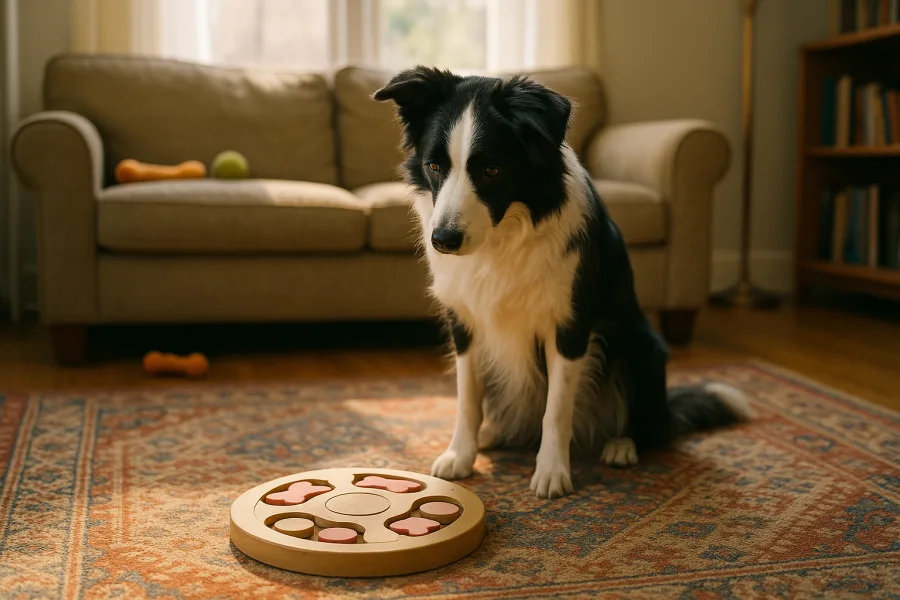
Some breeds are often noted for their intelligence because of their ability to learn quickly and carry out complex tasks. Border Collies, for example, are renowned for their problem-solving skills and ability to learn commands with very few repetitions. Poodles, known for their keen attention and obedience, also rank high on the intelligence scale, making them excellent at various tasks from hunting to performing tricks. German Shepherds are another breed that excels in intelligence, often used in police and military roles for their ability to learn and execute complex tasks.
These breeds tend to excel in intelligence tests and are often chosen for roles that require a high level of mental acuity. However, intelligence isn't limited to these breeds alone. Many dogs, like my own Bonnie, a lively Jack Russell cross, show remarkable cleverness and adaptability despite not being traditionally labeled as "intelligent" breeds. Bonnie's ability to learn new tricks and navigate agility courses with speed and enthusiasm demonstrates that intelligence can be found in many forms and breeds.
Is Intelligence All in the Genes?
While genetics play a significant role in determining a dog's potential for intelligence, the environment and training are equally crucial. Each dog, regardless of breed, has its own personality and potential. For example, while Gypsy was naturally smart, her intelligence was significantly nurtured by consistent training and mental stimulation. In contrast, Bonnie's intelligence shines through her high energy and problem-solving during playtime, which I've encouraged through interactive games and agility exercises.
It's also important to recognize that individual dogs can defy breed expectations. A dog from a breed not typically associated with high intelligence might surprise you with their unique skills and abilities. I've seen dogs from various backgrounds excel in unexpected ways simply because they were given the chance to learn and explore. This shows that intelligence is not solely determined by breed but can flourish with the right encouragement and opportunities.
How Do We Measure a Dog’s Intelligence?
Canine intelligence is measured using various tests that evaluate different aspects of a dog's mental capabilities. These include problem-solving exercises, obedience tests, and social intelligence assessments. For example, a common method involves teaching a dog a new command and measuring how many repetitions it takes for them to understand and obey. Social intelligence can be seen in a dog's ability to read human cues or interact with other animals.
In my experience, observing how a dog interacts with its environment, how quickly it learns new routines, or how it solves everyday problems can be just as telling as formal intelligence tests. For instance, Bonnie's swift understanding of household dynamics and her ability to anticipate my actions reflect her social intelligence. For a deeper dive into canine cognition, you might explore resources like this guide on dog cognition.
How Can You Nurture Your Dog’s Intelligence?
Nurturing a dog's intelligence involves providing opportunities for mental stimulation and learning. Here are some practical ways to encourage your dog's mental development:
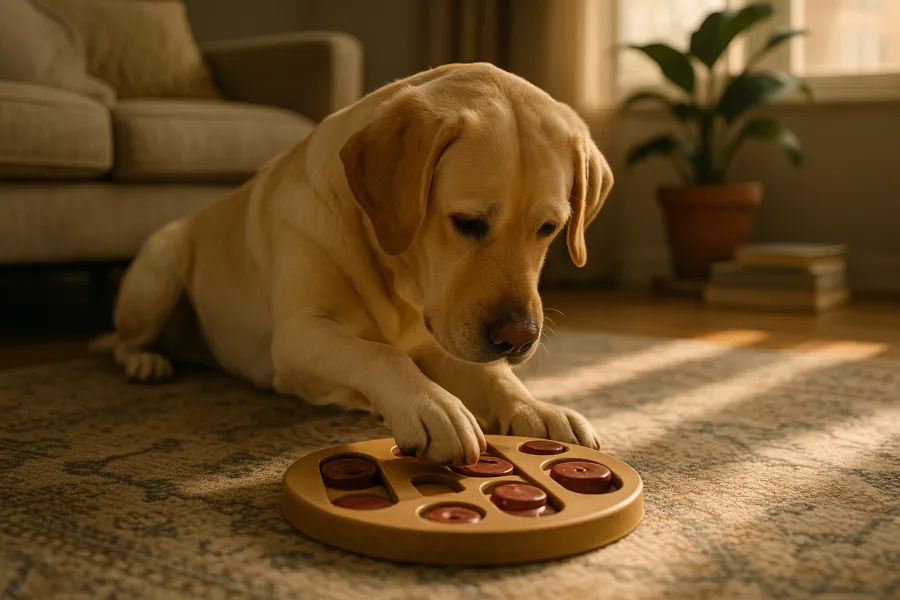
- Interactive Toys: Use puzzle toys that challenge your dog to think and problem-solve to get treats.
- Training Sessions: Regular training sessions that introduce new commands can keep your dog's mind sharp. Mixing up the commands and introducing new tricks keeps the training engaging for both you and your dog.
- Agility Exercises: Set up simple agility courses to improve your dog's physical and mental coordination. These exercises not only provide physical exercise but also require your dog to think strategically about how to navigate each obstacle.
- Varied Environments: Exposing your dog to new environments and experiences can boost their adaptability and learning. This could be as simple as taking different walking routes or visiting new parks where they can encounter varied scents and sights.
For example, Bonnie thrives on agility exercises, where she must think quickly and navigate obstacles. It's these activities that allow her intelligence and energy to shine. I've noticed that when Bonnie is engaged in such stimulating activities, her ability to learn new commands and tricks significantly improves.
Conclusion: Unlocking Your Dog’s Potential
- Some breeds are naturally inclined to be more intelligent, but every dog has unique talents.
- Dog intelligence can mean problem-solving, obedience, or adaptability.
- Breeds like Border Collies, Poodles, and German Shepherds are often seen as very intelligent.
- Both genetics and environment play roles in a dog's intelligence.
- Stimulating activities and training can enhance your dog's mental abilities.
Ultimately, understanding and nurturing your dog's intelligence is about recognizing their individual strengths and providing an environment that fosters learning and growth. Whether your dog is a quick learner or a thoughtful problem-solver, every dog has the potential to amaze us with their intelligence in their own way. By investing time in training and providing a stimulating environment, you can help your dog reach their full intellectual potential.

I've shared my home with pets for over 40 years. No letters after my name, just four decades of paying close attention. I've read widely, watched everything I could find, and learned most of what I know from living alongside animals every day. This site is where I share what I've picked up along the way.
More by Nicole Dance →