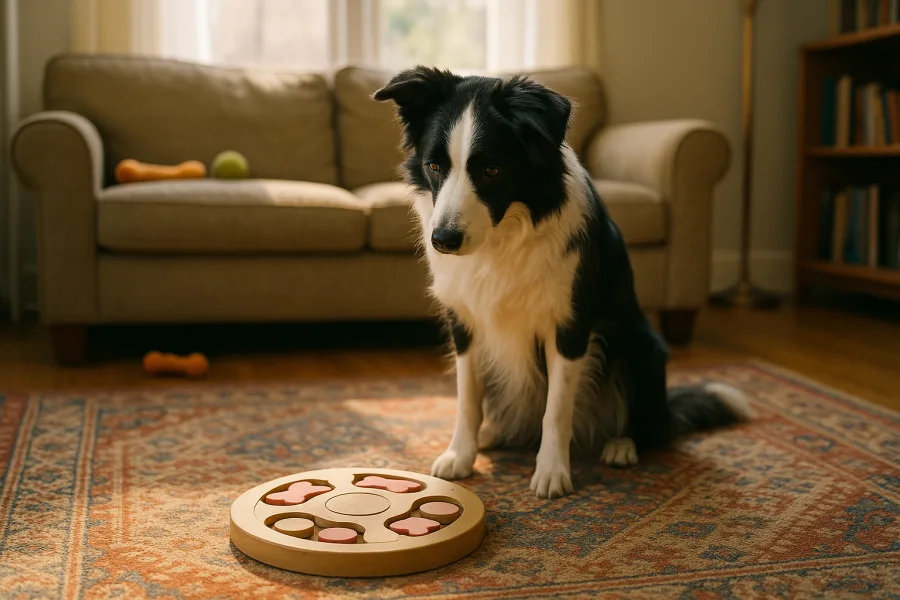
The Impact of Socialization on Dog Cognition
Explore how socialization enhances dog cognition, improving problem-solving and adaptability.
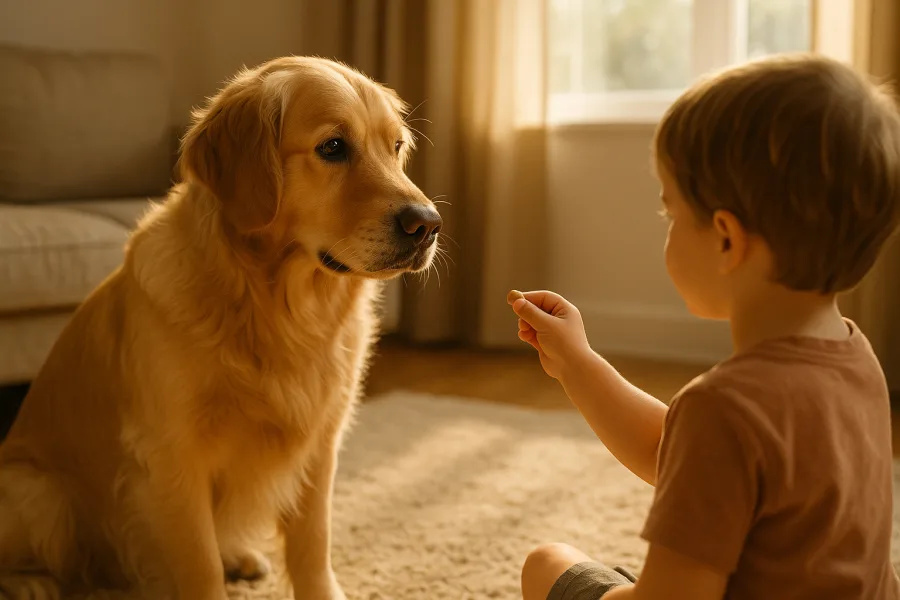
Socialization is a crucial part of raising a well-rounded dog, significantly influencing their cognitive abilities and behavior. As pet owners, we often hear about the necessity of socializing our dogs, but what does it truly mean for their mental growth? In essence, socialization is key to boosting a dog's cognitive skills, helping them become more adaptable, well-behaved, and mentally engaged.
How Does Socialization Enhance Dog Cognition?
Socialization boosts cognitive abilities in dogs by introducing them to a variety of stimuli, experiences, and environments. This exposure helps dogs develop enhanced problem-solving skills and adaptability, enabling them to handle new situations with confidence. For example, a dog regularly introduced to new people, other animals, and different settings learns to process and respond to these experiences effectively. This cognitive flexibility is a major benefit of socialization.
In my experience, dogs like Bonnie, my current Jack Russell cross, thrive on varied experiences. She was bursting with energy when I adopted her, and by gradually introducing her to diverse environments, I noticed how quickly she adapted and solved problems. Watching her cognitive abilities develop as she encountered new challenges was truly fascinating.
What Are the Cognitive Benefits of Socialization?
Socialization significantly contributes to brain development and mental stimulation. Just as children benefit from diverse interactions during their formative years, dogs also experience cognitive growth when exposed to varied environments. Socialization encourages a dog’s brain to form neural connections that support learning and memory retention. This enhanced mental capacity leads to improved behavior, with well-socialized dogs often being less anxious and more confident.
Additionally, socialized dogs demonstrate better adaptability. They adjust to changes in their environment more smoothly and are less likely to develop behavioral issues like aggression or excessive shyness. For instance, my Jack Russell cross, Bonnie, showed remarkable cognitive and behavioral improvements after being gradually introduced to different social settings. Her ability to thrive in new situations highlights the power of effective socialization.
How Can You Effectively Socialize Your Dog?
Effective socialization involves gradually introducing your dog to new experiences in a controlled and positive manner. Here are some practical tips:
- Start Early: Ideally, begin socializing a puppy between 3 to 14 weeks. However, older dogs can still benefit. Early socialization lays the foundation for a lifetime of positive experiences.
- Expose to Various Environments: Take your dog for walks in different locations such as parks, city streets, and quiet neighborhoods. This variety helps them become comfortable in various settings and learn to cope with diverse stimuli.
- Meet Different People: Introduce your dog to people of various ages, sizes, and appearances. This helps reduce fear of strangers and builds confidence in social interactions.
- Introduce Other Animals: Arrange playdates with other dogs and controlled encounters with other pets, like cats. This not only helps with social skills but also teaches them to share and play gently.
- Use Positive Reinforcement: Reward your dog with treats and praise when they respond well to new experiences. Positive reinforcement encourages them to repeat desirable behaviors.
When Roxy was a puppy, I ensured she was exposed to a range of experiences, including meeting Gypsy when Roxy was four. This gradual introduction, coupled with positive reinforcement, helped them form a strong bond, demonstrating the effectiveness of early socialization.
What Are Signs of Poor Socialization in Dogs?
Poor socialization can manifest in various ways, such as fearfulness, aggression, and difficulty adapting to new situations. A dog that hasn't been adequately socialized may become overly anxious or aggressive when encountering unfamiliar people, animals, or settings. They might also display excessive shyness or retreat from social interactions, preferring isolation over engagement. Recognizing these signs early can help you address them with targeted socialization efforts.
For example, a dog that barks excessively or cowers when approached by strangers may be indicating a lack of exposure to varied social settings. Such behaviors can often be alleviated by gradually increasing their exposure in a safe and positive manner.
What Is the Long-term Impact of Socialization?
The long-term benefits of socialization go beyond immediate behavioral improvements. Socialized dogs tend to lead happier lives, as they are more confident and less stressed in unfamiliar situations. The cognitive benefits are enduring, supporting a dog's ability to learn and adapt throughout their life. For Bonnie, her ongoing socialization has not only improved her interactions with other dogs and people but has also enhanced her overall quality of life.
Socialized dogs are often more adaptable, which is crucial as they encounter life changes such as moving homes or welcoming new family members. For example, when we introduced a new environment to Roxy, her early social experiences played a significant role in her smooth transition and ability to thrive.
Personal Insights and Anecdotes
In my years with dogs, I've seen firsthand how socialization can transform a pet's demeanor and cognitive abilities. When Roxy, my Maltese Shih-tzu cross, was a puppy, I was diligent about exposing her to different environments and experiences. This early socialization helped her become a well-adjusted adult dog who was confident and curious about the world. She lived harmoniously with Gypsy, our other dog, demonstrating the long-term benefits of her early social experiences.
Similarly, Bonnie's journey as a rescue dog has been filled with new experiences that have shaped her into a well-rounded and happy companion. The joy of watching a dog blossom through socialization is truly rewarding and highlights its importance in their development.
Conclusion
Socialization is a cornerstone of fostering a well-behaved and cognitively adept dog. By understanding its importance and implementing effective strategies, you can greatly enhance your dog's mental growth and overall behavior. If you're curious about how dogs think and learn, our full guide on understanding dog cognition offers deeper insights.
Quick Summary
- Socialization enhances cognitive abilities by exposing dogs to varied experiences.
- It supports brain development and improves adaptability and behavior.
- Effective socialization involves gradual, positive exposure to new stimuli.
- Poor socialization can lead to fearfulness and difficulty adapting.
- Long-term, socialized dogs tend to be more confident and adaptable.

I've shared my home with pets for over 40 years. No letters after my name, just four decades of paying close attention. I've read widely, watched everything I could find, and learned most of what I know from living alongside animals every day. This site is where I share what I've picked up along the way.
More by Nicole Dance →