Dog Cognition: Understanding How Dogs Think and Learn
Explore dog cognition to improve training and strengthen your relationship with your pet by understanding their mental processes and learning styles.
Understanding how dogs think and learn can transform your relationship with your pet, making training easier and interactions more meaningful. Dog cognition includes the mental processes of perception, memory, learning, and problem-solving. By exploring these cognitive abilities, you can better appreciate your dog's unique behaviors and develop training strategies that align with their natural thinking processes.
What is Dog Cognition?
Dog cognition involves the mental abilities of dogs, including how they perceive the world, solve problems, and understand human cues. Dogs are keen observers of human emotions and their environment, often reacting to subtle changes in our behavior or mood. I remember a time when Gypsy, my Jack Russell, sensed I was upset before I even realized it myself. She nudged my hand gently, offering comfort with her big, understanding eyes. This kind of emotional intelligence highlights the complex cognitive world our dogs inhabit. Dogs like Gypsy show that they can interpret our emotional states and respond in ways that offer companionship and comfort.
Moreover, dogs can understand and interpret human cues remarkably well. Their ability to read body language, facial expressions, and even subtle shifts in tone of voice speaks to a highly developed sense of social cognition. This ability to "read" us allows dogs to integrate into our lives seamlessly, making them not only pets but family members who understand us better than we might expect.
How Do Dogs Learn?
Dogs primarily learn through classical and operant conditioning. Classical conditioning involves associating a neutral stimulus with a significant one, like how dogs might associate the sound of a leash with going for a walk. For instance, every time I picked up Gypsy's leash, she would start wagging her tail with excitement, having linked that sound to the joy of a walk.
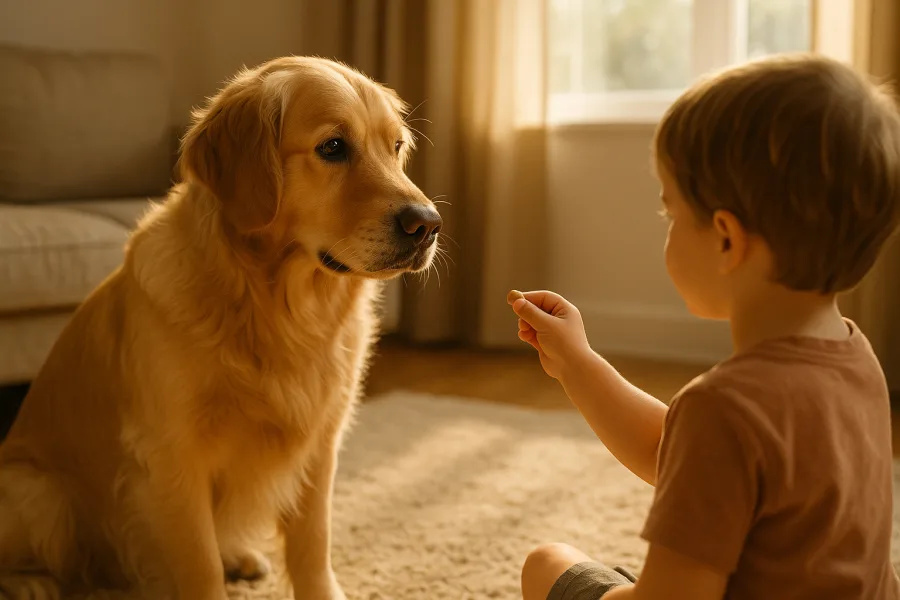
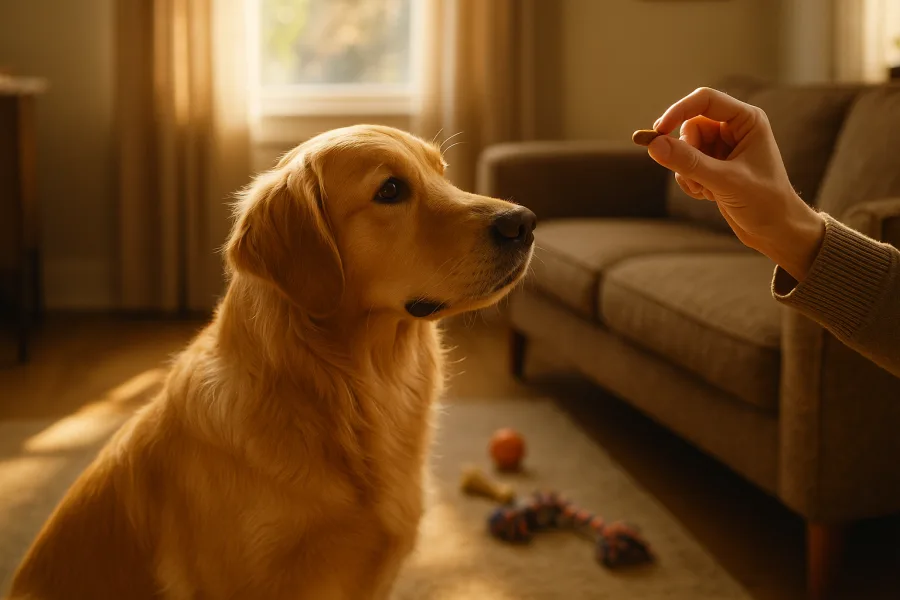
Operant conditioning is about learning through consequences; a dog learns to repeat behaviors that result in rewards and avoid those that don’t. When I first adopted Bonnie, our training sessions were a mix of trial and error. I noticed she responded best to positive reinforcement, eagerly trying new commands for the promise of a treat or a favorite toy. Recognizing how your dog learns best can significantly enhance your training efforts. Positive reinforcement not only makes training more effective but also strengthens the bond between you and your dog, as it fosters an environment of understanding and cooperation.
It is important to remember that every dog is different, and what works for one may not work for another. For instance, Roxy, my Maltese Shih-tzu cross, was more motivated by praise and affection than by treats. Understanding these individual preferences is key to effective training.
Why Are Some Dogs Better Problem Solvers?
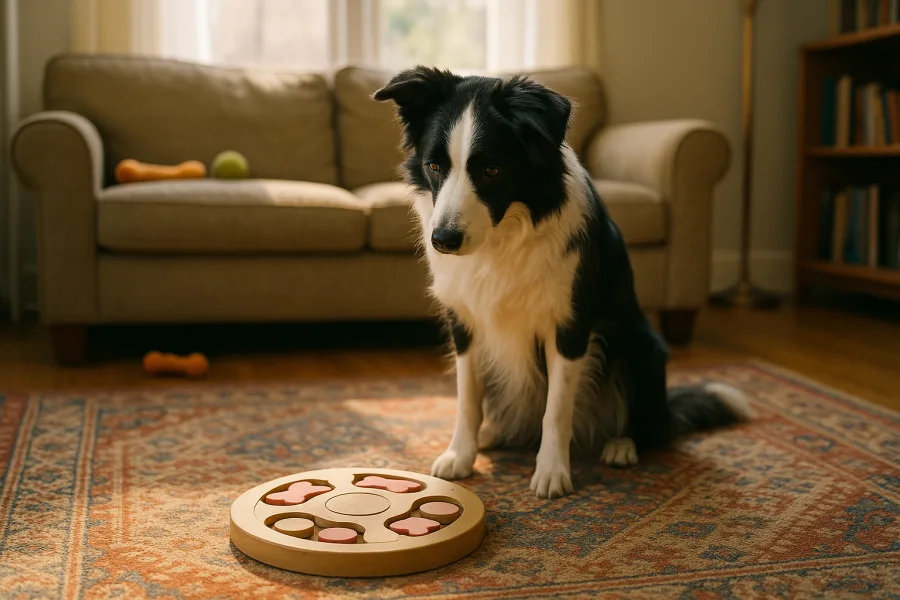
Problem-solving in dogs can vary significantly. Some dogs naturally excel at figuring things out, while others may need more guidance. Problem-solving abilities can be seen in daily life, such as when a dog finds a way to open a gate or retrieve a toy from under a couch. These skills can be developed through interactive play and training exercises that challenge a dog's ability to think and adapt.
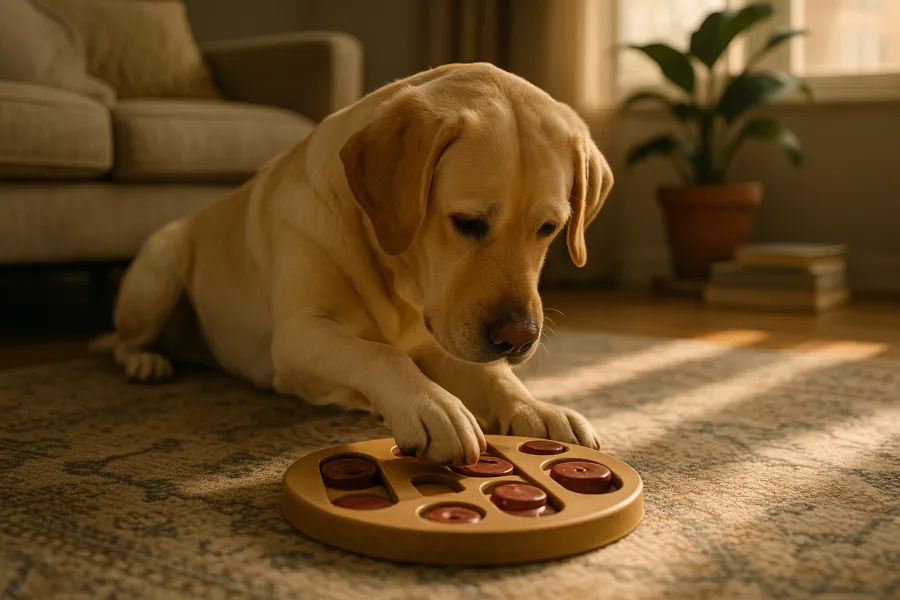
Gypsy once amazed me by learning how to open the back door by watching us use the handle. Her persistence and ability to mimic actions demonstrated her problem-solving skills. Providing dogs with puzzles and interactive toys can stimulate their minds and improve their cognitive abilities. Toys like treat-dispensing balls or puzzle boards encourage dogs to use their brains actively to earn rewards, promoting both cognitive and physical exercise.
Additionally, problem-solving skills can be influenced by a dog's breed and natural instincts. Breeds that were historically used for hunting or herding often demonstrate strong problem-solving abilities because they needed these skills to perform their tasks effectively. However, all dogs, regardless of breed, can benefit from mental challenges that allow them to use their innate abilities.
How Good is a Dog's Memory?
Dogs have impressive memories, which play a crucial role in training and daily life. They remember commands, routines, and even specific people and animals. Memory is critical for learning new behaviors and recalling previously learned ones. Dogs rely on both short-term and long-term memory. Short-term memory allows them to remember tasks and commands for a brief period, while long-term memory helps them retain information over time.
Consistency in training helps reinforce memory. With Roxy, my Maltese Shih-tzu cross, I found that short, frequent training sessions worked best. Repeating commands and using consistent cues helped her remember what was expected, making training more effective. Memory also allows dogs to recognize familiar faces and places, contributing to their sense of security and well-being.
Training techniques that reinforce memory include using consistent cues and maintaining a routine. Dogs thrive on routine and predictability, which can enhance their memory recall. For example, feeding at the same time each day or following the same route on walks can help reinforce a dog's memory of these activities.
Can Dogs Understand Us?
Dogs have a remarkable ability to understand human language and commands. They can learn to associate words with actions or objects, often responding to a wide range of commands. Some dogs even understand subtle cues, like changes in tone or gestures. This understanding is not just limited to verbal commands; dogs are also adept at interpreting non-verbal signals, which often carry more weight than spoken words.
Bonnie, for instance, not only responds to basic commands but also seems to understand more complex instructions, especially when they are paired with hand signals. This ability to grasp human language strengthens the bond between dogs and their owners. Dogs' understanding of human language is often influenced by the tone and emotion conveyed rather than the words themselves. Thus, speaking to dogs in a calm and positive manner can enhance communication and cooperation.
Additionally, dogs can be trained to recognize and respond to specific words or phrases that are important in daily life. For example, words like "sit," "stay," and "walk" can become part of a dog's vocabulary when consistently reinforced. This understanding facilitates smoother interactions and a more harmonious coexistence.
Are All Dogs the Same in Learning?
Each dog is unique, with distinct learning styles and cognitive abilities. Some dogs may learn quickly, while others take more time. Factors such as breed, age, and individual personality play a role in how a dog learns. Puppies, for example, are often more receptive to learning new commands and routines, while older dogs may require more patience and repetition.
In my experience, being patient and observant helps tailor training to each dog's needs. For instance, Roxy was more motivated by praise than treats, whereas Bonnie is highly food-driven. Understanding these individual preferences can make training more effective and enjoyable. Adapting training techniques to suit a dog's personality and learning style is crucial for success. Some dogs may benefit from traditional training methods, while others respond better to more creative or interactive approaches.
Additionally, the social environment and early life experiences can influence a dog's learning ability. Dogs that have been well-socialized and exposed to various stimuli early in life often demonstrate better cognitive abilities and adaptability. Therefore, providing a rich and stimulating environment for your dog can promote lifelong learning and growth.
Practical Ways to Boost Your Dog’s Cognitive Skills
Stimulating your dog's mind can enhance their cognitive abilities and improve their overall well-being. Here are some tips to consider:
- Engage them with puzzle toys that challenge their problem-solving skills. These toys can vary in complexity, allowing you to adjust the challenge to your dog's level of expertise.
- Play interactive games like hide-and-seek or fetch to encourage mental and physical activity. These games require your dog to use their senses and memory to complete tasks, promoting cognitive development.
- Practice new commands regularly to keep their minds active and engaged. Introducing new tricks or commands can provide mental stimulation and prevent boredom.
- Incorporate agility training or obstacle courses to improve focus and learning. These activities require your dog to think and react quickly, enhancing both physical and cognitive skills.
- Provide opportunities for social interaction with other dogs and humans. Socialization is key to developing a well-rounded and adaptable dog. Interacting with other dogs can also teach them problem-solving skills and improve their understanding of social cues.
These activities not only enhance cognitive function but also strengthen the bond between you and your dog. By engaging your dog in mentally stimulating activities, you can help prevent cognitive decline as they age and ensure they remain happy and healthy throughout their lives.
Quick Summary
- Dog cognition involves perception, memory, learning, and problem-solving.
- Understanding how dogs learn can improve training outcomes.
- Dogs exhibit unique problem-solving abilities and memory recall.
- They can understand a wide range of human cues and commands.
- Each dog has individual differences in learning style and cognitive abilities.
- Engaging activities can boost your dog's cognitive skills and enrich their life.
By delving into how dogs think and learn, you can foster a deeper connection with your furry friend and create a more harmonious home environment. Remember, every dog is unique, so take the time to observe and understand your pet’s individual needs and capabilities. Through patience, understanding, and consistent effort, you can unlock the full potential of your dog's cognitive abilities, enhancing both their quality of life and your shared experiences.

I've shared my home with pets for over 40 years. No letters after my name, just four decades of paying close attention. I've read widely, watched everything I could find, and learned most of what I know from living alongside animals every day. This site is where I share what I've picked up along the way.
More by Nicole Dance →