Debunking Myths: Understanding True Dog Intelligence
Discover the complexities of dog intelligence beyond obedience and breed stereotypes, and learn how to nurture your dog's unique talents.
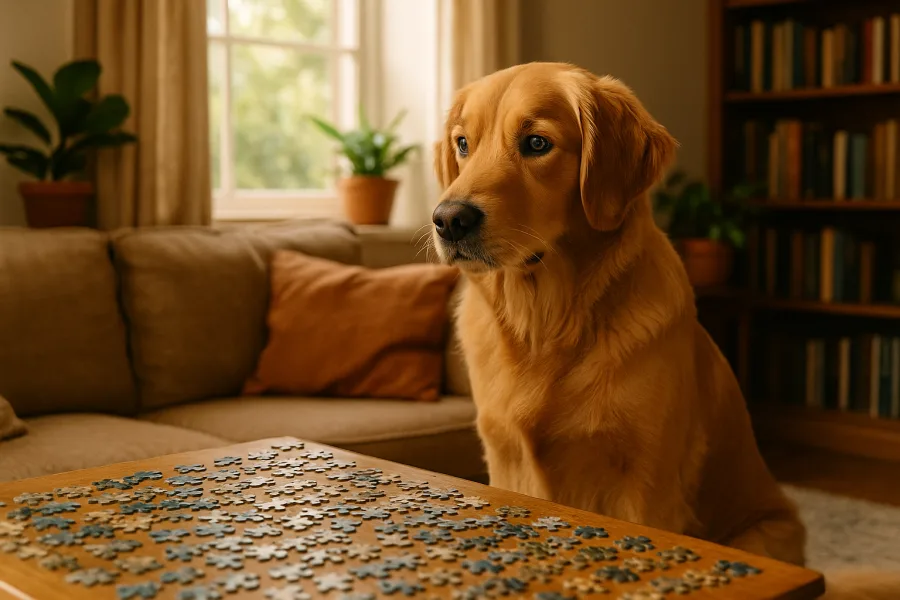
Understanding the intelligence of our canine companions can be both intriguing and nuanced. Many of us have grown up with certain beliefs about what makes a dog "smart," but the truth is, dog intelligence is more complex than it appears. It's not just about following commands or learning tricks. Instead, dog intelligence includes a range of cognitive and emotional abilities that differ from human intelligence. In this article, we'll delve into what dog intelligence truly means, debunk common myths, and offer insights into how you can nurture and appreciate your dog's unique talents.
What is Dog Intelligence?
Dog intelligence combines cognitive abilities like problem-solving, learning, and understanding social dynamics. Unlike human intelligence, which often focuses on abstract reasoning and verbal skills, dog intelligence is more about practical problem-solving and adapting to their environment. Dogs are exceptional at picking up social cues and responding to human emotions, which are crucial for their survival and integration into human households.
In my experience with dogs like Bonnie, my current fluffy Jack Russell cross, I've noticed that intelligence doesn't always show up in traditional ways. Bonnie, for instance, might not perform every trick on command, but her ability to sense when I'm feeling down and offer comfort speaks volumes about her unique cognitive and emotional skills. This understanding of emotions and ability to provide companionship is an essential aspect of dog intelligence that often goes unnoticed.
What Are the Common Misconceptions About Dog Intelligence?
One of the most persistent myths is that obedience equals intelligence. While a dog that follows commands might seem smart, obedience is more about training and reinforcement than cognitive ability. A dog that doesn't obey might simply have a different learning style or be less motivated by external rewards. Additionally, intelligence varies significantly across breeds, and it’s a mistake to assume some breeds are inherently smarter than others. Each breed has been developed for specific tasks, influencing how their intelligence is expressed.
Another common misconception is that some breeds are universally smarter. While it's true that breeds like Border Collies are renowned for their problem-solving abilities, this doesn't mean other breeds lack intelligence. For example, my Maltese Shih-tzu, Roxy, was incredibly adept at understanding social dynamics and was a master at reading family members' moods, showcasing a different kind of intelligence. This highlights that intelligence is multifaceted, encompassing not just problem-solving but also emotional and social understanding.
How Do Dogs Show Their Intelligence?
Dogs display intelligence in various ways, one of the most significant being their emotional intelligence. They have an extraordinary ability to understand human emotions and respond accordingly. This emotional connection is often more valuable in a household setting than simply following commands. Dogs like Bonnie demonstrate their intelligence by adapting to different situations, sensing the mood of the household, and providing comfort or excitement as needed.
In terms of learning styles, dogs are as diverse as people. Some learn quickly through repetition and rewards, while others may require more creative training methods. It's important to tailor your approach to suit your dog’s natural inclinations. For instance, Bonnie is highly energetic and learns best through active play and games that engage her both physically and mentally. Understanding your dog's preferred learning style can greatly enhance their ability to acquire new skills.
Real-Life Examples of Dog Intelligence
Throughout my years with dogs, I've witnessed numerous displays of intelligence that go beyond conventional measures. Gypsy, another Jack Russell I had, was incredibly resourceful. She once figured out how to open the kitchen door by observing how it was used, demonstrating a level of problem-solving that surprised me. This kind of observational learning showcases the cognitive capabilities dogs possess.
Similarly, Roxy's ability to adapt to having another dog in the family, Gypsy, showed her social intelligence. Despite the potential for rivalry, Roxy adjusted beautifully, helping to teach Gypsy the house rules. It was a reminder that intelligence also involves social adaptability and understanding. These examples illustrate that intelligence in dogs can be seen in their ability to learn from their environment and each other, and to adapt to new social settings.
How Can Owners Support Their Dog's Intelligence?
Nurturing your dog's intelligence involves providing opportunities for mental stimulation and social interaction. Engage your dog with puzzle toys, training sessions, and interactive games that challenge their problem-solving skills. Additionally, spend time observing your dog's behavior to understand their strengths and preferences. This will help you tailor activities and training to suit their individual needs. For example, if you notice your dog enjoys using their nose, scent-based games might be particularly stimulating.
Socialization is also key. Encourage your dog to interact with other dogs and people to enhance their social intelligence. Regular walks, visits to the dog park, and playdates can provide enriching experiences that further develop their abilities. These interactions help your dog learn social cues and develop better communication skills, which are essential components of their overall intelligence.
Quick Summary
- Dog intelligence is about more than obedience; it includes emotional and social capabilities.
- Common myths, like obedience equaling intelligence, overlook the complexity of dog cognition.
- Intelligence varies across breeds and manifests in different ways, from problem-solving to emotional understanding.
- Provide mental stimulation and socialization to nurture your dog's unique intelligence.
- Appreciate your dog's strengths and adapt training to suit their individual learning style.
For more insights into how dogs think and learn, you can explore resources like this comprehensive guide on dog cognition. Understanding the true nature of dog intelligence will not only enhance your bond with your furry friend but also allow you to better appreciate their unique capabilities.

I've shared my home with pets for over 40 years. No letters after my name, just four decades of paying close attention. I've read widely, watched everything I could find, and learned most of what I know from living alongside animals every day. This site is where I share what I've picked up along the way.
More by Nicole Dance →