Essential Kitten Vaccinations for Their First Year
Learn about core and non-core vaccinations necessary for your kitten's health in their first year, including schedules and recommendations.
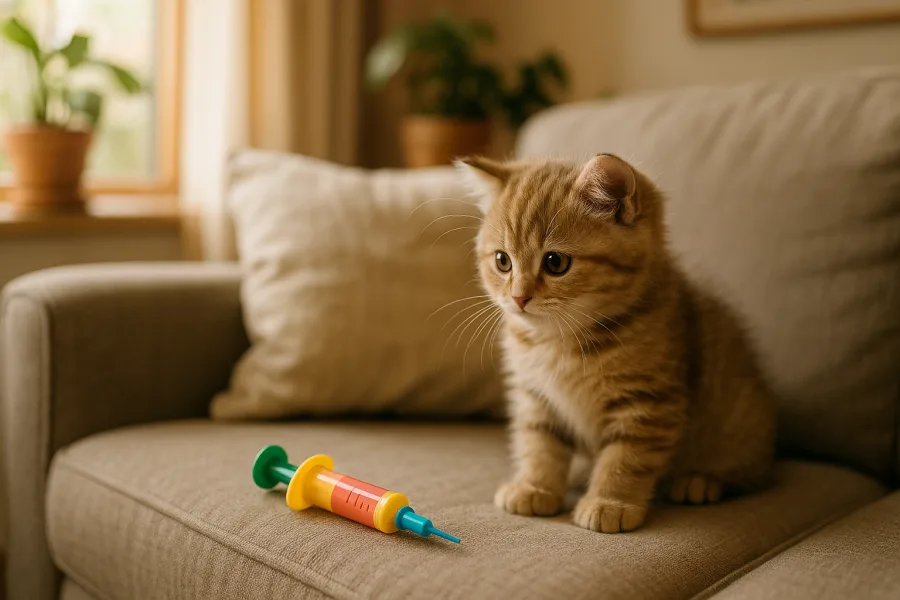
Bringing a new kitten into your home can be both exciting and fulfilling, but it also means taking on the responsibility of keeping them healthy. One of the most important tasks during your kitten's first year is keeping up with their vaccination schedule. Vaccinations play a crucial role in protecting your little friend from a range of contagious and potentially serious diseases.
What Vaccinations Does My Kitten Need?
To ensure your kitten stays healthy, there are core vaccinations that every kitten should receive, along with some non-core vaccines that might be recommended based on their lifestyle and environment.
Core Vaccinations
Core vaccinations are critical for all kittens, offering protection against common and serious feline illnesses. These vaccines are a fundamental part of your kitten's early healthcare plan:
- FVRCP: This combination vaccine guards against three major diseases: Feline Viral Rhinotracheitis, Calicivirus, and Panleukopenia. Feline Viral Rhinotracheitis and Calicivirus can cause upper respiratory infections, leading to symptoms like sneezing, nasal discharge, and conjunctivitis. Panleukopenia, also known as feline distemper, is a highly contagious and often deadly disease similar to parvovirus in dogs. It can lead to severe dehydration, diarrhea, and a drop in white blood cells, making kittens susceptible to secondary infections.
- Rabies: This vaccine is vital since rabies is a fatal virus affecting the central nervous system and can be transmitted to humans. As a zoonotic disease, meaning it can be passed from animals to people, rabies vaccination is not only a safeguard for your pet but also a public health requirement. Many regions mandate rabies vaccinations by law, highlighting its importance in community health.
Non-Core Vaccinations
Non-core vaccines are optional but may be suggested based on your kitten's risk factors. Your veterinarian will evaluate your kitten's lifestyle and environment to advise on these vaccines:
- FeLV (Feline Leukemia Virus): This vaccine is recommended for kittens that will be outdoors or live in multi-cat households. FeLV is a contagious virus that can weaken a cat's immune system and lead to serious illnesses, including anemia and certain cancers. Cats with FeLV can spread the virus through grooming, bite wounds, or shared dishes, making this vaccine important for at-risk cats.
When Should My Kitten Receive Vaccinations?
Vaccination schedules are designed to provide early protection for kittens, so it's essential to follow your veterinarian's recommended timeline. This schedule helps your kitten build strong and lasting immunity:
- 6-8 weeks: The first FVRCP vaccine is given. This initial dose begins strengthening your kitten's defenses against the diseases covered by FVRCP.
- 10-12 weeks: The second FVRCP vaccine and the first FeLV vaccine (if needed). This phase boosts initial protection and starts building immunity against FeLV for kittens at risk.
- 14-16 weeks: The final FVRCP vaccine, second FeLV vaccine (if needed), and the rabies vaccine. Completing the FVRCP series and adding rabies protection ensures comprehensive coverage.
- 16-20 weeks: A booster shot for any remaining vaccines, as recommended by your vet. This final booster solidifies the immunity established during the initial series.
After the initial series, most vaccinations will need boosters every one to three years, depending on the vaccine type and your vet's guidance. These boosters are crucial to maintain immunity as your kitten grows into adulthood.
Why Are Boosters Important?
Booster shots are essential because they maintain your kitten's immunity over time. As the protection from early vaccines diminishes, boosters ensure ongoing defense against diseases. Regular boosters are a key part of long-term health management for your pet, preventing the return of diseases that could harm their health and well-being.
What Are the Side Effects of Vaccinations?
Most kittens tolerate vaccinations well, though mild side effects can occur. These might include a slight fever, tiredness, reduced appetite, or minor swelling at the injection site. Usually, these symptoms resolve within a day or two. However, if your kitten shows severe allergic reactions like difficulty breathing, facial swelling, or persistent vomiting, contact your veterinarian immediately. It's important to keep an eye on your kitten after vaccinations and report any concerns to your vet.
How Can I Prepare for My Kitten’s Vet Visit?
To make vet visits less stressful for both you and your kitten, try these tips:
- Familiarize your kitten with their carrier by letting them explore it at home. Placing treats and toys inside can create positive associations.
- Bring a favorite toy or blanket to comfort them during the visit. Familiar items can help reduce anxiety in new settings.
- Schedule the appointment when your kitten is usually calm and relaxed. Avoid scheduling during nap times or when your kitten is more energetic.
- Remain calm and reassuring, as your kitten will pick up on your cues. Speaking softly and offering gentle petting can help soothe an anxious kitten.
Questions to Ask Your Vet
During your visit, consider these important questions to discuss with your veterinarian:
- What is the complete vaccination schedule for my kitten? Knowing the timeline helps you plan and ensure timely vaccinations.
- Are there any additional vaccines my kitten might need? Discuss lifestyle changes or environmental risks that could require extra vaccines.
- What should I do if my kitten experiences side effects? Understanding how to handle side effects can prevent stress and ensure proper care.
- How often will my kitten need booster shots? Clarifying the long-term vaccination plan helps maintain your kitten’s health over time.
These discussions will help you understand your kitten's health needs and ensure you're providing the best care possible.
Conclusion
Vaccinating your kitten is a vital step in protecting their health and longevity. By following the recommended vaccination schedule and maintaining open communication with your veterinarian, you can help your kitten grow into a healthy adult cat. For more detailed guidance on kitten care, consider exploring our full guide on essential kitten care.
Quick Summary
- Core vaccinations, including FVRCP and rabies, are essential for all kittens.
- Non-core vaccines like FeLV depend on lifestyle risks.
- Follow a structured vaccination schedule starting at 6-8 weeks.
- Boosters are crucial for maintaining long-term immunity.
- Prepare for vet visits to minimize stress on your kitten.

I've shared my home with pets for over 40 years. No letters after my name, just four decades of paying close attention. I've read widely, watched everything I could find, and learned most of what I know from living alongside animals every day. This site is where I share what I've picked up along the way.
More by Nicole Dance →