How to Train Your Dog to Reduce Excessive Licking Behavior
Discover why dogs lick excessively and explore techniques to manage and reduce this behavior effectively.

If you're having trouble with your dog's excessive licking, you're in good company. Many dog owners find this behavior both puzzling and a bit frustrating. The reassuring news is that with some understanding and the right approach, you can effectively manage and reduce your dog's licking habits.
Quick Steps to Address Licking Behavior
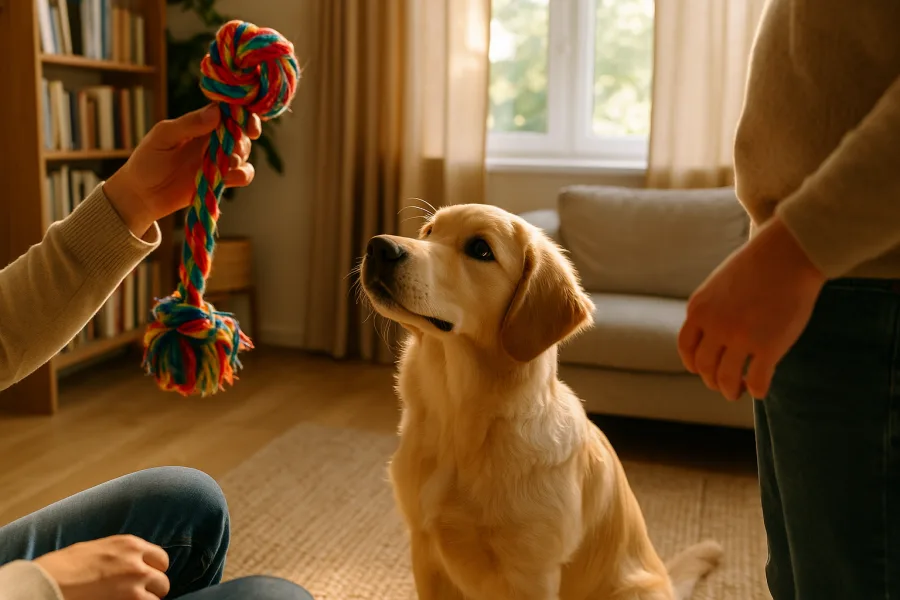
When you notice your dog licking excessively, there are immediate actions you can take. Start by gently redirecting their attention. Offer them a toy or engage them in play to shift their focus. Activities like fetch, tug-of-war, or a nice walk can be great distractions and also provide essential exercise.
Make sure your dog is getting enough physical and mental stimulation throughout the day, as boredom often leads to licking. Dogs need a balanced routine with playtime, training sessions, and social interactions to keep them content. Consider puzzle toys or treat-dispensing toys that challenge your dog's mind and provide entertainment.
Also, take a moment to assess the situation. Is there something specific your dog is licking, like their paws or a particular spot on the couch? Recognizing patterns can help pinpoint the cause of the behavior. If the licking seems compulsive or unusual, it might be time to consider environmental stressors or changes in their routine that could be affecting them.
Why Does My Dog Lick So Much?
Understanding why your dog licks is crucial to addressing the behavior. Licking is a natural canine behavior used for communication and exploration. However, when it becomes excessive, it might be driven by factors such as seeking attention, anxiety, or boredom. Dogs may also lick because of skin irritations, allergies, or pain. If your dog is focusing on a specific area of their body, it could indicate a skin issue or discomfort that needs attention. For more insights into these motivations, you can refer to our comprehensive guide on why dogs lick.
In my years with dogs, I've seen various reasons for licking. Bonnie, my fluffy Jack Russell cross, would happily spend all day licking hands if we let her. For her, it wasn't anxiety or allergies; she simply loved the attention and knew it was a guaranteed way to get pats.
Is It Normal or Excessive?
Determining whether your dog's licking is normal or excessive involves observation. Normal licking includes grooming and social interactions. Grooming is a natural behavior for maintaining hygiene, and social licking can be a way of bonding with other dogs or humans. However, if your dog frequently licks themselves, objects, or people for prolonged periods, it may be excessive. Excessive licking might signal anxiety or discomfort and requires closer attention. Monitor the frequency, duration, and context of the licking to differentiate between normal and problematic behavior.
Training Techniques to Reduce Licking
Once you've identified the behavior as excessive, training techniques can help. The goal is to redirect the licking to more appropriate activities while positively reinforcing desired behaviors. Start by teaching your dog commands like "leave it" or "stop," which can interrupt the licking behavior. Consistent training with these commands can help manage the behavior over time.
Positive Reinforcement Strategies
Positive reinforcement is a powerful tool in dog training. Whenever your dog stops licking on command or redirects their attention to a toy, reward them with a treat or praise. This reinforces the idea that not licking results in something positive. Use high-value treats that your dog loves to make the reward more enticing and effective.
In addition to treats, verbal praise and petting can serve as rewards. Dogs thrive on attention and affection, so ensuring they receive positive feedback for good behavior strengthens the training process.
Consistency Is Key
Consistency in training is crucial. Ensure everyone in your household is on the same page, using the same commands and rewards. This unified approach helps your dog learn more effectively and reduces confusion. Consistent routines also provide dogs with a sense of security and predictability, which can reduce anxiety-related licking.
Consistency extends beyond training sessions. Make sure the rules are the same when guests are present, and inform visitors about the behavior you're working to change. This ensures that your dog receives the same messages from everyone they interact with.
Helpful Tools and Aids
There are several tools you can use to support your training efforts. Chew toys and puzzle toys can keep your dog occupied and mentally stimulated. These toys not only distract from licking but also satisfy natural chewing instincts and help maintain dental health. Rotating toys regularly keeps them novel and interesting for your dog.
Deterrent sprays, which have unpleasant tastes, can be applied to areas your dog frequently licks, discouraging the behavior. These sprays are safe for dogs and can be a useful tool in conjunction with training. Ensure the deterrent is applied consistently to maintain its effectiveness.
When to Seek Professional Help
If you’ve tried various strategies and your dog’s licking persists or worsens, consulting with a veterinarian or professional dog trainer is wise. This is especially important if the licking is accompanied by other signs of distress, such as whining, restlessness, or changes in appetite. A veterinarian can rule out medical conditions that might be causing discomfort, while a professional trainer can offer behavior modification techniques tailored to your dog's needs.
Additionally, a behaviorist can help identify triggers and design a comprehensive behavior modification plan. Professional guidance is invaluable when dealing with complex or deeply ingrained behaviors, ensuring both you and your dog receive the support needed for successful training.
Common Misconceptions
One common misconception is that licking is always a sign of affection. While it can be, excessive licking often indicates stress or an unmet need. Another myth is that licking is harmless. In reality, it can lead to skin irritation or infection if left unchecked. Lastly, some believe that punishing a dog for licking will stop the behavior. However, punishment can increase anxiety, making the problem worse. Instead, focus on positive reinforcement and addressing underlying causes.
Key Takeaways
- Redirect your dog's attention as an immediate response to excessive licking.
- Understand the common reasons behind why dogs lick and identify if it's normal or excessive.
- Use positive reinforcement and consistency to train your dog to reduce licking.
- Consider using tools like chew toys and deterrent sprays to support behavior change.
- Seek professional help if the licking continues despite your efforts.
By following these steps, you can manage and reduce your dog's licking behavior, promoting a healthier and happier environment for both you and your furry friend. Remember, patience and persistence are crucial, as behavior change takes time and effort. Celebrate small successes along the way and continue to provide a supportive and loving environment for your dog.

I've shared my home with pets for over 40 years. No letters after my name, just four decades of paying close attention. I've read widely, watched everything I could find, and learned most of what I know from living alongside animals every day. This site is where I share what I've picked up along the way.
More by Nicole Dance →