How to Leash Train a Dog That's Scared of the Leash
Learn how to leash train a dog that's afraid of the leash with positive associations and gradual exposure, making walks enjoyable for both of you.
Leash training a dog that's afraid of the leash can be a challenging yet rewarding journey. Many dog owners encounter this issue, but with patience, understanding, and the right techniques, you can help your furry friend overcome their fear. By creating positive associations and gradually introducing your dog to the leash, you can make walks enjoyable for both of you. In my years with dogs, I've learned that each one has its unique quirks and needs, and tailoring your approach to your dog's personality is key.
Why Is My Dog Afraid of the Leash?
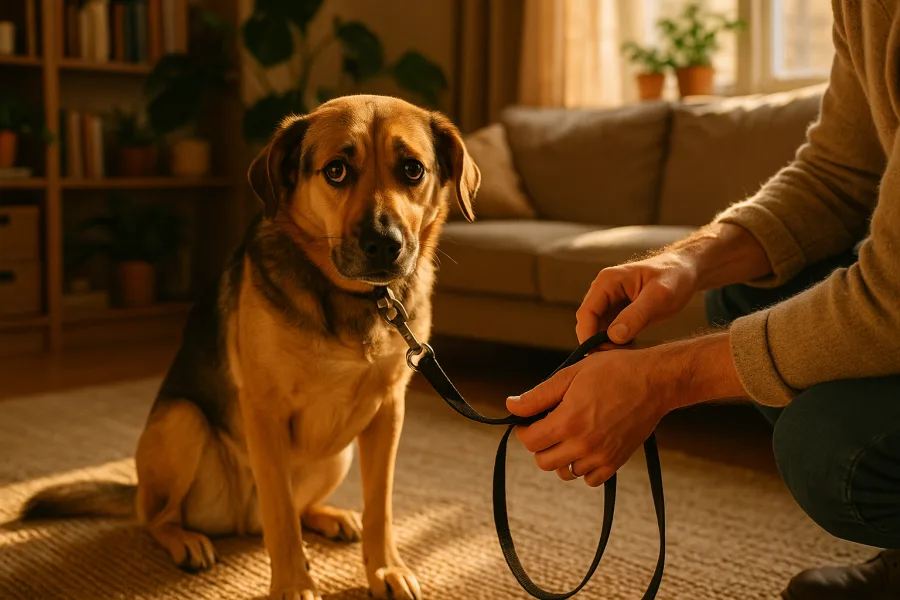
Your dog's fear of the leash can have various causes. Some dogs might have had negative experiences, such as being pulled too hard or punished while on a leash, leading them to associate it with discomfort or fear. Others might not have been exposed to a leash during their early months, causing natural apprehension. Puppies missing out on early leash training might find the leash unfamiliar and intimidating. Additionally, some dogs are more sensitive to new experiences and need extra patience and gentle guidance. These dogs might have a naturally timid disposition or general anxiety, which can heighten their fear of the leash.
When we adopted Bonnie, our fluffy Jack Russell cross, she was initially quite wary of the leash. Her previous experiences at the shelter had left her nervous about new situations, and the sight of the leash made her tense. Understanding these potential causes can help you empathize with your dog's fear and address it more effectively.
How Can I Create Positive Associations with the Leash?
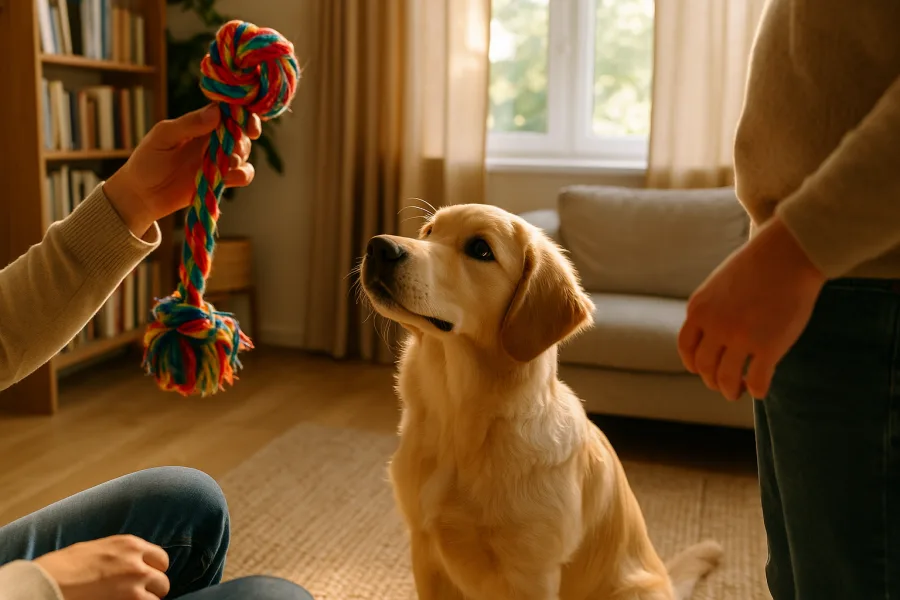
Building positive associations with the leash is crucial to easing your dog's fear. Start by linking the leash to things your dog loves, like treats, praise, and playtime. Begin by showing your dog the leash and offering a treat simultaneously. This helps them associate the leash's presence with positive outcomes. Gradually, you can move to holding the leash near them and rewarding calm behavior, building a foundation of trust and familiarity.
Incorporate toys and games that your dog enjoys while the leash is visible. For instance, play a short game of fetch or tug-of-war with the leash nearby. This approach helps your dog see the leash as part of a fun environment, rather than something to fear. Over time, your dog will begin to associate the leash with play and enjoyment, rather than anxiety. With Bonnie, I found that playing her favorite game of fetch in the backyard while the leash was nearby helped her relax and see it as part of our routine.
What Are the Best Techniques for Gradual Exposure?
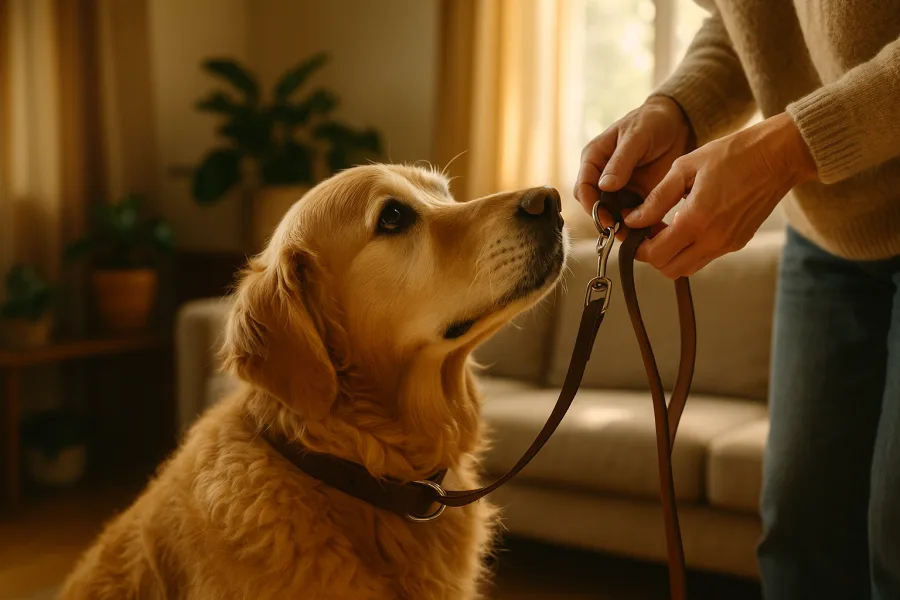
Gradual exposure is key when introducing a fearful dog to the leash. Start with short, positive sessions that slowly increase in duration as your dog becomes more comfortable. Initially, clip the leash on the dog's collar and let them wear it around the house for a few minutes under supervision, ensuring they don't get tangled or frightened. This helps them get used to the leash without the added pressure of a walk.
Once your dog is comfortable wearing the leash indoors, try taking short walks in a quiet area, like your backyard. Keep these initial walks brief and filled with encouragement and treats. As your dog begins to associate the leash with positive outdoor experiences, gradually extend the length and complexity of your walks. Explore different environments, like parks or sidewalks, while maintaining a calm and encouraging presence. This exposure helps your dog adapt to the leash in various contexts. With Bonnie, we started with short strolls in our garden before venturing to the nearby park, always ensuring she felt secure and rewarded.
How Do I Recognize My Dog's Stress Signals?
Understanding your dog's stress signals is essential to modifying your approach effectively. Signs of stress can include excessive panting, whining, trembling, or pulling away from the leash. If you notice these behaviors, pause the training session and give your dog some time to relax. Pushing a scared dog too quickly can worsen their fear and set back your progress. It's vital to respect your dog's pace and recognize when they need a break.
Pay attention to your dog's body language and be ready to adjust your training. If your dog seems stressed, consider stepping back to a previous training stage where they felt more comfortable. Consistently monitoring your dog's reactions and adjusting accordingly can prevent negative associations with the leash. Bonnie would sometimes freeze if she felt overwhelmed, so we learned to take things slowly and celebrate small victories.
When Should I Seek Professional Help?
Sometimes, despite your best efforts, a dog's fear of the leash can be deeply ingrained and difficult to address alone. If your dog continues to show signs of distress or if the fear seems to be worsening, it might be time to consult a professional dog trainer or behaviorist. These experts can offer tailored guidance and support, helping both you and your dog address the issue effectively.
Professional trainers can provide insights into specific techniques and tools that might benefit your dog's unique situation. They may suggest using certain types of leashes or harnesses that can help alleviate your dog's anxiety. Don't hesitate to seek help if you feel overwhelmed or unsure of how to proceed. Professional intervention can make a significant difference, especially for dogs with severe anxiety or past trauma.
Common Misconceptions
There are several myths about leash training that can mislead dog owners:
- Myth: All dogs should be trained using the same methods.
Reality: Every dog is unique, and what works for one may not work for another. Tailoring your approach to your dog's personality and past experiences is crucial. - Myth: Using a leash is always stressful for dogs.
Reality: With proper training and positive reinforcement, most dogs can learn to enjoy being on a leash. It's about creating positive experiences associated with the leash. - Myth: Dogs will naturally get used to the leash over time without training.
Reality: While some dogs might adapt, many require structured training to overcome their fears and develop positive associations with the leash.
Key Takeaways for Leash Training a Fearful Dog
- Identify the possible reasons for your dog's fear of the leash.
- Use treats, praise, and toys to create positive associations with the leash.
- Gradually expose your dog to the leash, starting with short sessions.
- Watch for stress signals and adjust your training approach accordingly.
- Consider professional help if progress stalls or stress escalates.
Remember, leash training is a process that requires time, patience, and empathy. Every dog is different, so take the time to understand your pet's specific needs and reactions. Leash training is not just about teaching your dog to walk beside you; it's about building trust and confidence. For more detailed strategies and tips, you can refer to this comprehensive guide on leash training.

I've shared my home with pets for over 40 years. No letters after my name, just four decades of paying close attention. I've read widely, watched everything I could find, and learned most of what I know from living alongside animals every day. This site is where I share what I've picked up along the way.
More by Nicole Dance →