Mastering Leash Training for Your Stubborn Dog
Learn how to leash train a stubborn dog with patience, consistency, and the right tools for a more enjoyable walking experience.
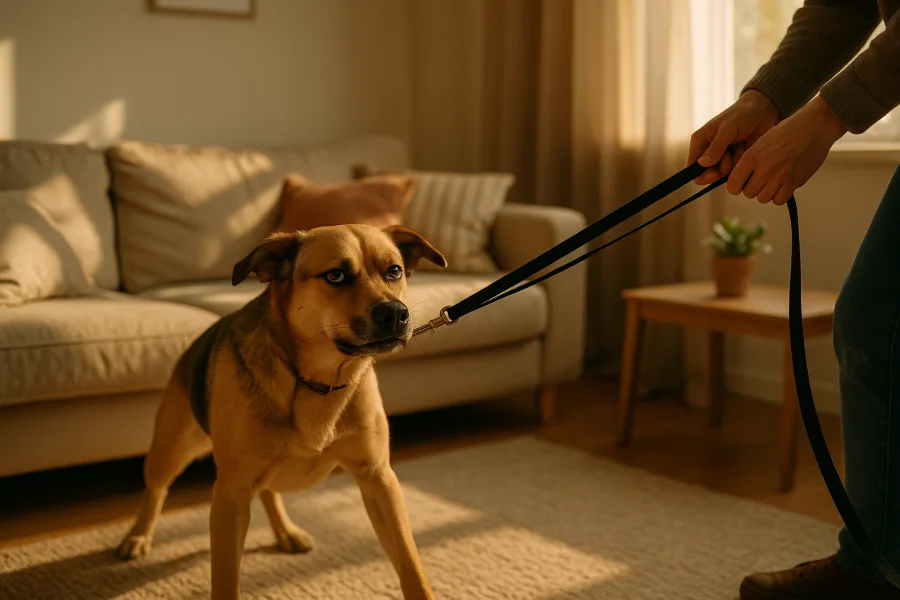
Leash training a stubborn dog can feel challenging, especially if traditional methods haven't worked for you. However, with patience, consistency, and the right approach, you can turn those frustrating walks into pleasant outings. This article offers effective techniques and tools to address stubborn leash behavior, giving you the confidence to succeed.
What is the Best Way to Leash Train a Stubborn Dog?
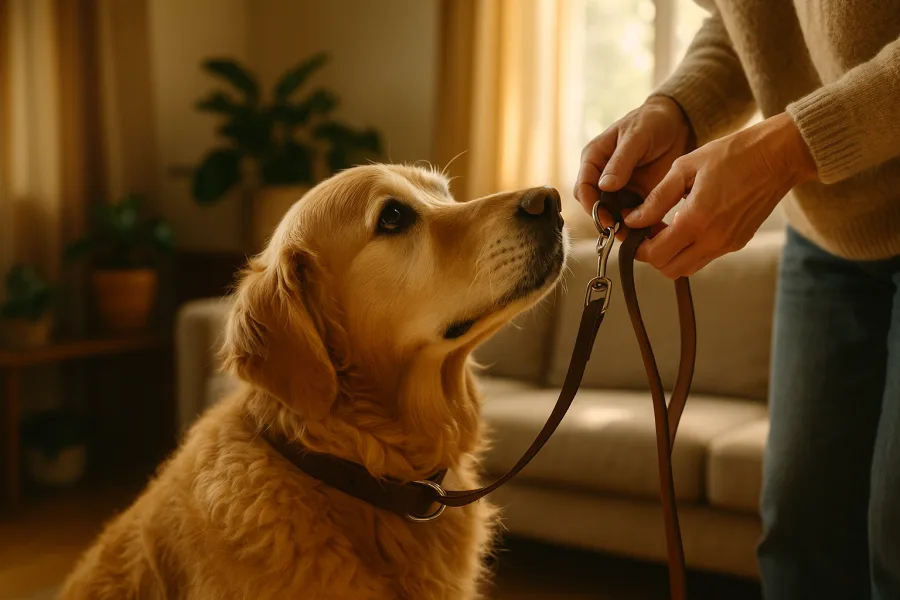
The secret to leash training a stubborn dog is patience and consistency. Begin by introducing your dog to the leash in a calm, familiar setting. Let your pet sniff and explore the leash without any pressure. Once your dog feels comfortable, attach the leash and allow them to drag it around to get accustomed to the sensation. This step is vital in creating a positive association with the leash.
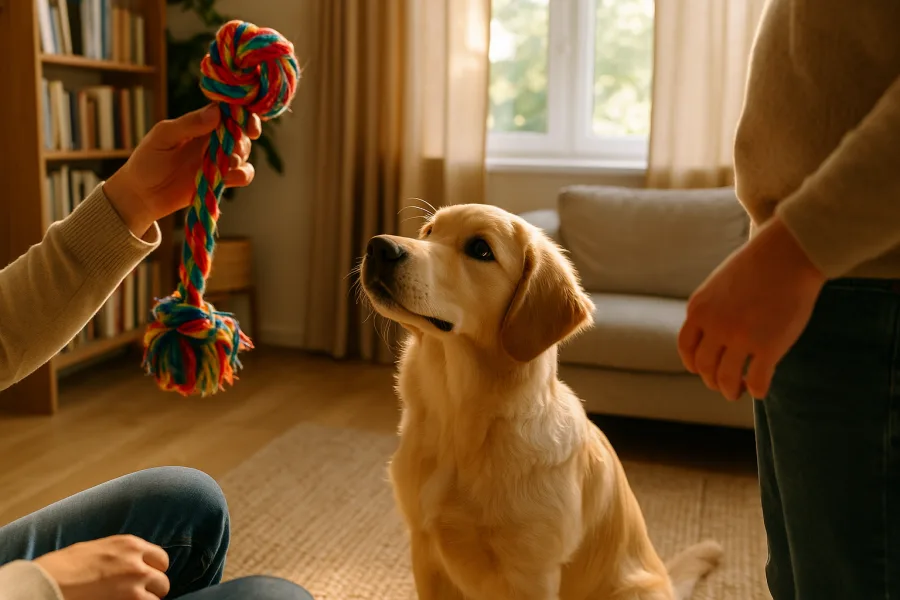
Consistency is key in your training approach. Opt for regular, short training sessions instead of long, irregular ones. Reward your dog for calm behavior and responding to commands. Keep in mind that every dog learns at their own pace, so avoid rushing the process. Additionally, maintaining a calm and positive demeanor during these sessions reinforces good behavior, as dogs are highly sensitive to their owner's emotions.
In my experience with Bonnie, my energetic Jack Russell cross, it was crucial to keep the sessions upbeat and engaging. Her natural curiosity and liveliness made short, playful training sessions more effective than longer, tedious ones. By turning training into a game, Bonnie was more willing to participate and learn.
Why Are Some Dogs Stubborn on a Leash?
Some dogs may naturally resist leash training due to their breed characteristics or individual personalities. Breeds known for independence, like Terriers or Huskies, might display stubborn behavior. Moreover, dogs with negative past experiences with leashes or those lacking socialization might resist as well.
Environmental factors can also influence a dog's reluctance to walk on a leash. Busy streets, loud noises, or distractions can contribute to resistance. Understanding the root cause of your dog's stubbornness helps you tailor your training approach effectively. For instance, if your dog is anxious due to noise, starting in a quieter area might be more effective.
Gypsy, my late fluffy Jack Russell, was initially quite resistant to leash training. She had a strong independent streak typical of her breed. I found that understanding her need for exploration and gradually introducing her to busier environments helped us make significant progress.
How Can Positive Reinforcement Help?
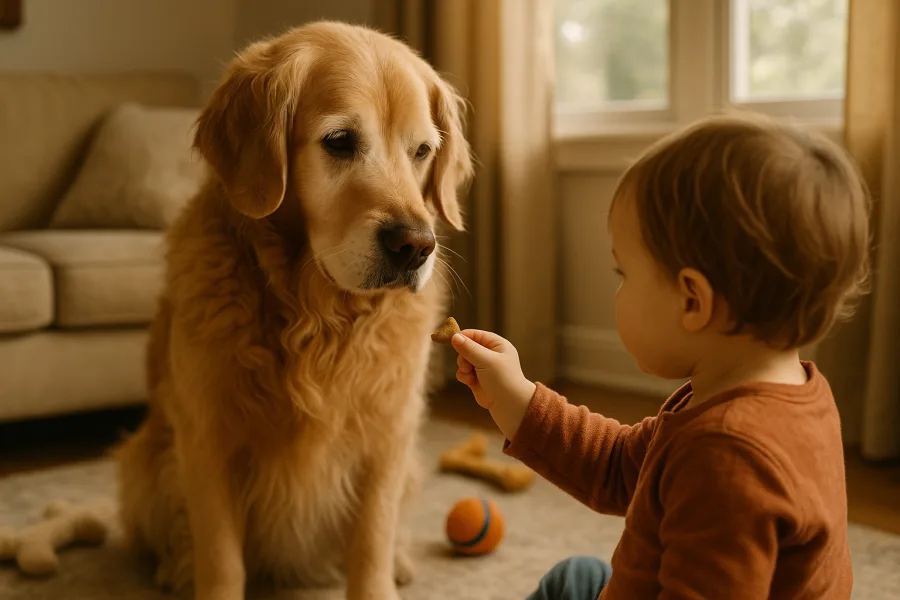
Positive reinforcement is a valuable tool in leash training. Reward your dog with treats and praise when they walk calmly by your side. Gradually replace treats with verbal praise to maintain good behavior. This method encourages your dog to associate walking on a leash with positive experiences. Timely rewards are crucial to strengthening this association.
Consider using clicker training for more precise reinforcement. A clicker marks the exact moment your dog shows desired behavior, making it easier for them to understand what is being rewarded. This technique can speed up the learning process, as it provides immediate feedback to your dog.
With Bonnie, clicker training was a game-changer. Her eagerness to please meant she quickly understood the connection between the click and her good behavior, making our walks more enjoyable for both of us.
What Tools and Equipment Do You Need?
Choosing the right tools can greatly impact leash training a stubborn dog. A well-fitting harness often provides better control than a collar and reduces the risk of injury. Consider a harness that discourages pulling, such as a front-clip harness. This type of harness redirects your dog's attention back to you when they pull, promoting loose leash walking.
Leashes should be durable and comfortable to hold. For dogs prone to pulling, a shorter leash can offer better control and help maintain a steady pace. Investing in the right equipment sets you up for success from the beginning. Additionally, a padded handle leash can enhance your comfort during longer walks.
When Should You Seek Professional Help?
If you've tried various methods without success, it might be time to consult a professional dog trainer. Signs that professional help is needed include persistent pulling, aggressive behavior on the leash, or fearfulness that doesn’t improve.
A professional trainer can offer personalized advice and techniques tailored to your dog's specific needs, potentially saving you time and frustration. They can also address any underlying behavioral issues contributing to your dog's stubbornness. In some cases, a trainer may conduct sessions in your home to better understand the environment affecting your dog's behavior.
What Mistakes Should You Avoid?
Common mistakes in leash training include being inconsistent with commands, reacting negatively when your dog pulls, and having unrealistic expectations. Avoid pulling back on the leash, as this can lead to a tug-of-war, reinforcing pulling behavior. Instead, stop walking and stand still when your dog pulls, resuming only when the leash is slack.
Be mindful of your body language and tone of voice. Dogs are perceptive and can pick up on frustration, which may worsen the problem. Instead, maintain a calm and positive demeanor. It's also important to avoid overwhelming your dog with too many commands or stimuli at once, as this can cause confusion.
How to Implement a Gradual Training Process
Start the training process by practicing indoors or in a quiet area with minimal distractions. Gradually increase the duration and complexity of your walks as your dog becomes more comfortable. Begin with short walks and slowly extend the distance as your dog progresses.
Introduce new environments slowly, giving your dog time to adjust. Remember to celebrate small victories and be patient. Consistent practice will lead to improvement over time. Varying your routes keeps the experience fresh and engaging for your dog, which can also help reduce stubborn behavior.
With Roxy, my Maltese Shih-tzu cross, introducing new environments was crucial. She thrived on routine, so adding new paths and experiences in small doses kept her interested and reduced her stubbornness.
Common Misconceptions
One common misconception is that using force or harsh corrections will make a stubborn dog comply. In reality, this can lead to increased resistance or fear. Gentle, positive methods are more effective long-term.
Another myth is that all dogs should learn at the same pace. Every dog is unique, and comparing your dog's progress to others can be misleading and discouraging.
Lastly, some believe that more expensive equipment guarantees better results. While quality is important, the key is choosing the right tool for your specific dog's needs and behavior.
Quick Summary
- Patience and consistency are key in leash training a stubborn dog.
- Understand your dog's breed traits and personality for tailored training.
- Use positive reinforcement techniques like treats, praise, and clicker training.
- Invest in appropriate tools, such as a good harness and leash, for better control.
- Seek professional help if progress stalls or behavioral issues persist.
Leash training a stubborn dog is a journey that requires dedication and understanding. By following these steps and maintaining a positive attitude, you'll be on your way to enjoyable walks. For more comprehensive strategies, consider checking out our detailed guide on leash training.

I've shared my home with pets for over 40 years. No letters after my name, just four decades of paying close attention. I've read widely, watched everything I could find, and learned most of what I know from living alongside animals every day. This site is where I share what I've picked up along the way.
More by Nicole Dance →