How to Stop Your Dog from Pulling on the Leash for Peaceful Walks
Learn why dogs pull on the leash and discover effective training techniques to enjoy calm walks with your dog.
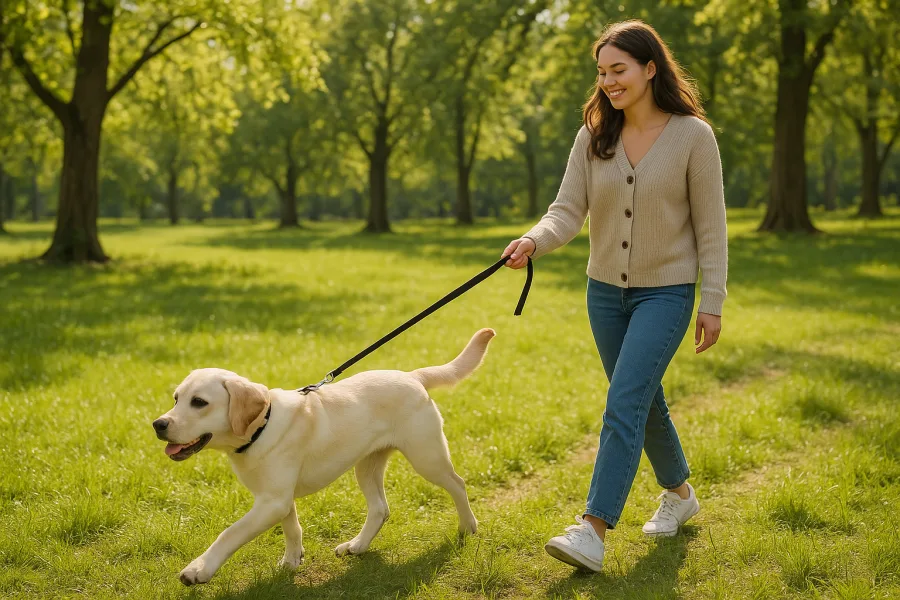
Walking a dog that pulls on the leash can quickly turn from an enjoyable outing to a frustrating ordeal. Luckily, with some effective strategies, you can curb this behavior and enjoy peaceful walks with your furry friend. By understanding why your dog pulls and applying consistent training techniques, you can transform your walks into enjoyable experiences for both of you.
Immediate Solutions: What Can I Do Right Now?
If you're looking for immediate ways to address leash pulling, consider trying a no-pull harness. Unlike traditional collars, these harnesses are designed to discourage pulling by evenly distributing pressure across your dog's body. Many dog owners find these tools provide instant relief by reducing the intensity of their dog's pulling. These harnesses often feature a front clip that redirects your dog’s forward motion, naturally reducing their pulling without causing discomfort.
Another quick tip is to use the "stop and go" method. When your dog starts to pull, stop walking and stand still. Wait until your dog returns to your side or releases the tension on the leash before continuing. This technique helps communicate that pulling won't get them where they want to go faster. It requires patience and consistency, but over time, your dog will learn that walking calmly by your side means the walk can continue.
Why Does My Dog Pull on the Leash?
Understanding why your dog pulls can help address the root of the issue. Dogs often pull on the leash due to natural instincts and excitement. For example, they may be eager to explore new scents, sights, and sounds when outside. This behavior can also result from a lack of proper leash training or the desire to reach something interesting. Some dogs simply haven't learned what is expected of them during a walk.
Moreover, certain breeds are more prone to pulling due to their history as working or hunting dogs. Breeds like Huskies and Beagles, bred for tasks requiring significant endurance and pulling, often need more focused training to master loose leash walking.
How Can I Train My Dog to Walk Calmly?
Training your dog to walk calmly on a leash takes patience and consistency. Start by using positive reinforcement techniques to encourage good behavior. When your dog walks without pulling, reward them with treats or praise. This reinforces the idea that staying close to you leads to positive results. Use high-value rewards, especially in the beginning, to effectively capture and maintain your dog's attention.
Step-by-Step Training Guide
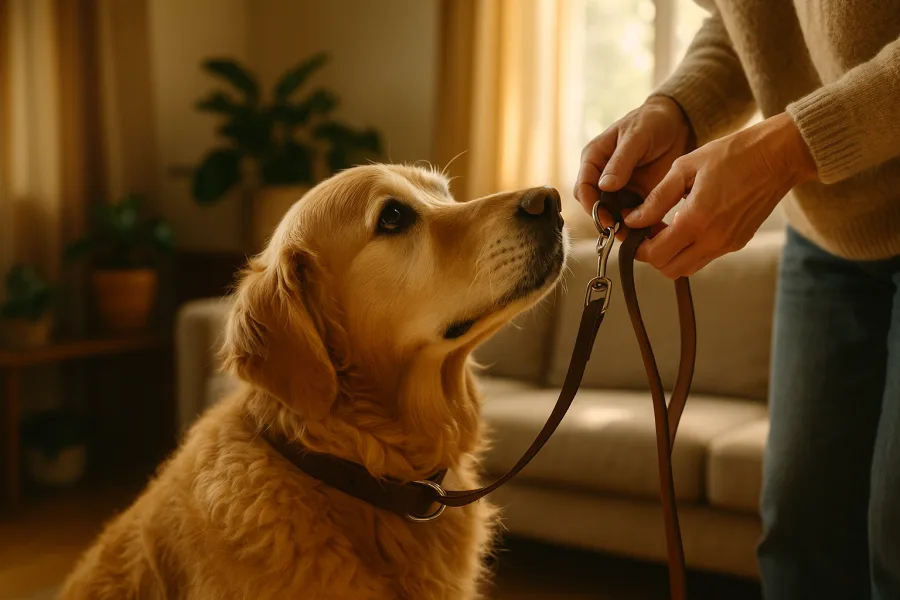
1. Choose the Right Equipment: Invest in a sturdy, comfortable leash and a no-pull harness that fits your dog well. Avoid retractable leashes, as they can encourage pulling. The leash should be short enough to give you control but long enough to allow your dog some freedom to explore.
2. Set a Routine: Consistency is key. Set a specific time and route for daily walks, allowing your dog to become familiar with the routine and reduce overexcitement. Over time, this predictability helps your dog understand what to expect and can decrease anxiety-driven pulling.
3. Use the Stop and Go Technique: As mentioned earlier, stop walking whenever your dog pulls. Wait for them to relax the leash tension before continuing. Repeat this process consistently. This method teaches your dog that pulling stops their forward progress.
4. Practice Turns: Make random turns during your walk to keep your dog focused on you. This also helps them understand that paying attention to you is important. Practicing turns can help break the habit of pulling by ensuring your dog is always aware of your movements.
5. Gradual Progression: Begin training in a low-distraction environment and gradually introduce more challenging situations as your dog becomes more adept at loose leash walking. Start in your backyard or a quiet area and slowly add distractions like other dogs, people, or vehicles as your dog improves.
What Mistakes Should I Avoid?
During leash training, it's easy to make mistakes that can hinder progress. One common error is inconsistency. Allowing your dog to pull sometimes and correcting them at other times can confuse them. Ensure everyone in your household follows the same training guidelines to prevent mixed signals that can derail your efforts.
Another mistake is using punishment-based methods. Yanking the leash or using harsh tones can lead to fear or aggression. Focus on rewarding positive behavior instead of punishing the bad. Remember, the goal is to make walking beside you more rewarding than pulling ahead.
When Should I Seek Professional Help?
If your dog continues to pull excessively despite your efforts or if they show aggressive behavior, it might be time to consult a professional dog trainer. A qualified trainer can provide personalized strategies and observe your dog's behavior to offer tailored solutions. They can also help identify any underlying issues that may be contributing to your dog’s pulling.
If your dog pulls due to anxiety or other behavioral issues, a professional can help address these underlying concerns constructively. They may suggest specific training plans or behavior modifications beyond the scope of basic training techniques.
Conclusion & Key Takeaways
While leash pulling can be challenging, it's a behavior that can be modified with the right approach. By understanding why your dog pulls and using consistent, positive training methods, you can create a more enjoyable walking experience for both you and your pet. Remember to be patient and persistent, as behavioral changes take time and effort.
Quick Summary
- Use a no-pull harness to immediately reduce pulling.
- Understand that excitement and instincts often cause dogs to pull.
- Implement consistent training with positive reinforcement.
- Avoid inconsistent correction and punishment-based methods.
- Seek professional help if pulling persists or if there are behavioral concerns.
For more detailed guidance, consider checking out our comprehensive resource on leash training your dog for even more tips and techniques.

I've shared my home with pets for over 40 years. No letters after my name, just four decades of paying close attention. I've read widely, watched everything I could find, and learned most of what I know from living alongside animals every day. This site is where I share what I've picked up along the way.
More by Nicole Dance →