Quick and Effective Tips to Litter Train Your Kitten
Discover practical steps to quickly and effectively litter train your kitten, ensuring a stress-free experience for both of you.
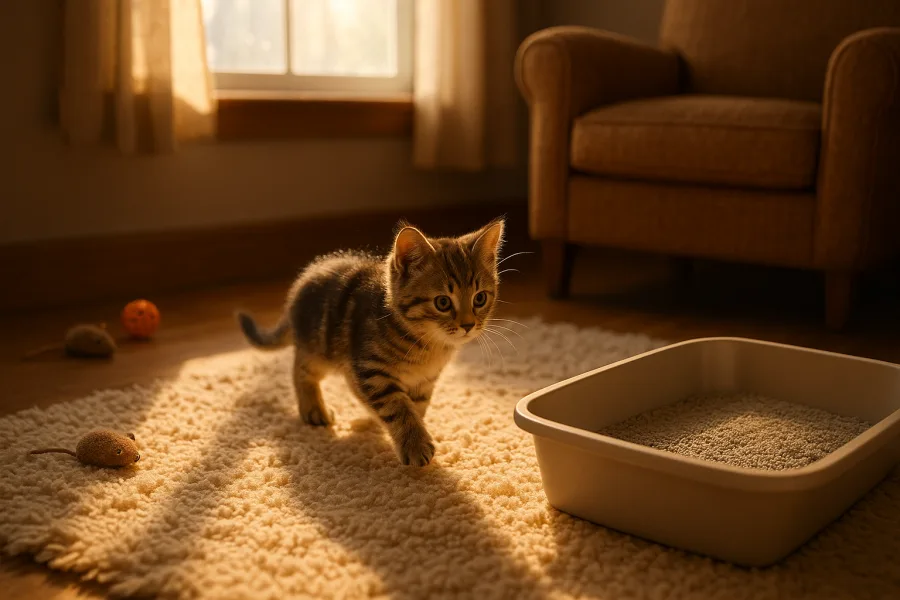
Welcoming a kitten into your home is an exciting experience, but it also comes with the responsibility of litter training. Although it might seem challenging at first, teaching your kitten to use a litter box can be quite straightforward with the right approach. This guide will provide you with practical, step-by-step instructions to ensure your kitten becomes litter trained quickly and effectively, minimizing stress for both of you.
How Can You Start Litter Training Your Kitten Immediately?
It's important to start litter training as soon as your kitten arrives. Begin by selecting a quiet and easily accessible spot for the litter box. Steer clear of busy areas or places where your kitten might feel trapped. Once you have picked the perfect spot, gently place your kitten in the litter box after meals and naps. This helps them associate the area with the need to go.
Encourage exploration by letting your kitten sniff and paw at the litter. If they seem hesitant, use your fingers to lightly scratch the litter, mimicking the natural behavior of covering waste. Ensure that your kitten can easily climb in and out of the litter box without difficulty.
Initially, keep the litter box in the same location to avoid confusing your kitten. Once they're comfortable using it consistently, you can gradually move it if necessary, but do so slowly and in small steps to prevent confusion.
What Type of Litter and Box is Best for Kittens?
Choosing the right litter and box is crucial for successful litter training. For kittens, opt for a small, shallow litter box that they can easily access. Unscented, clumping litter is typically the best choice, as kittens have sensitive noses and strong fragrances might deter them. Clumping litter also makes cleaning and maintaining the box easier.
Avoid using clay litter for kittens under four months old, as they might ingest it while exploring, which can lead to health issues. Instead, try a natural, biodegradable litter that's safe if accidentally ingested. Some owners find success with paper-based or corn-based litters, which are gentle on tiny paws and safe if ingested.
How to Establish a Successful Litter Training Routine?
Consistency is key when it comes to litter training. Establishing a routine helps your kitten learn when and where to relieve themselves. Start by placing your kitten in the litter box at regular intervals, such as after eating, drinking, or waking up from a nap. This reinforces the habit of using the litter box during these times.
Watch for signs that your kitten needs to go, like sniffing or scratching around, and gently guide them to the litter box when you notice these signs. Over time, your kitten will start to understand the routine and seek out the litter box on their own.
Keeping a consistent feeding schedule can also help regulate your kitten's bathroom habits. By feeding them at the same times each day, you can better predict when they will need to use the litter box, making it easier to guide them during these key times.
What Techniques Encourage Your Kitten to Use the Litter Box?
Positive reinforcement is an effective way to encourage your kitten to use the litter box. Whenever your kitten successfully uses the box, offer them praise and a small treat. This reinforces the behavior and makes the experience rewarding for them. Avoid negative reactions if they have an accident, as this can create fear and anxiety around litter training.
If your kitten seems reluctant to use the box, try using toys or gentle affection to create a positive association with the litter box area. Consistency and patience are crucial, and most kittens will respond well to gentle encouragement and rewards.
Ensure the litter box environment is comfortable. If your kitten is nervous or distracted by noise, consider placing the litter box in a quieter location. Additionally, some kittens might prefer a bit of privacy, so using a box with higher sides or a cover could help them feel more secure.
How to Overcome Common Litter Training Challenges?
Sometimes, kittens may avoid the litter box for various reasons. If you notice your kitten consistently avoiding the litter box, consider these potential solutions:
- Ensure the litter box is clean and free from strong odors. Scoop it daily and change the litter regularly.
- Check the location of the litter box. It should be in a quiet, low-traffic area.
- Try different types of litter to see if a change in texture or scent encourages use.
- If you have multiple kittens, ensure there is one litter box per kitten plus one extra.
If these strategies don't resolve the issue, it may be helpful to consult with a veterinarian to rule out any medical problems. Behavioral issues might also stem from stress or changes in the household, so maintaining a stable environment can support successful litter training.
Why is Litter Box Hygiene Important?
Maintaining a clean litter box is vital not only for your kitten’s health but also for the success of litter training. A dirty box can deter your kitten from using it, leading to accidents around the home. To keep it appealing, scoop the box daily and perform a thorough cleaning weekly, replacing the litter entirely.
Additionally, clean the box itself with mild soap and water to prevent any lingering odors. Consistent hygiene practices ensure that the litter box remains a comfortable and inviting space for your kitten.
Regularly inspecting the litter box for signs of wear and tear is also wise. A cracked or damaged box can be off-putting to a kitten and may harbor bacteria. Replacing the box periodically helps maintain a clean and safe environment for your pet.
Summary and Key Takeaways
- Introduce your kitten to the litter box as soon as they arrive home.
- Choose a safe, accessible litter box and use unscented, clumping litter.
- Establish a consistent routine by guiding your kitten to the box regularly.
- Use positive reinforcement to encourage litter box use.
- Maintain proper hygiene to keep the litter box clean and inviting.
For more tips on caring for your new feline friend, you may want to check out this comprehensive guide to your kitten’s first year: Essential Kitten Care: Your First-Year Guide for New Cat Owners. With patience, consistency, and a little bit of love, you’ll have your kitten successfully litter trained in no time.

I've shared my home with pets for over 40 years. No letters after my name, just four decades of paying close attention. I've read widely, watched everything I could find, and learned most of what I know from living alongside animals every day. This site is where I share what I've picked up along the way.
More by Nicole Dance →