Recognizing Dental Problems in Cats: Signs to Watch For
Discover the signs of dental problems in cats, from bad breath to behavioral changes, and learn how to keep their oral health in check.
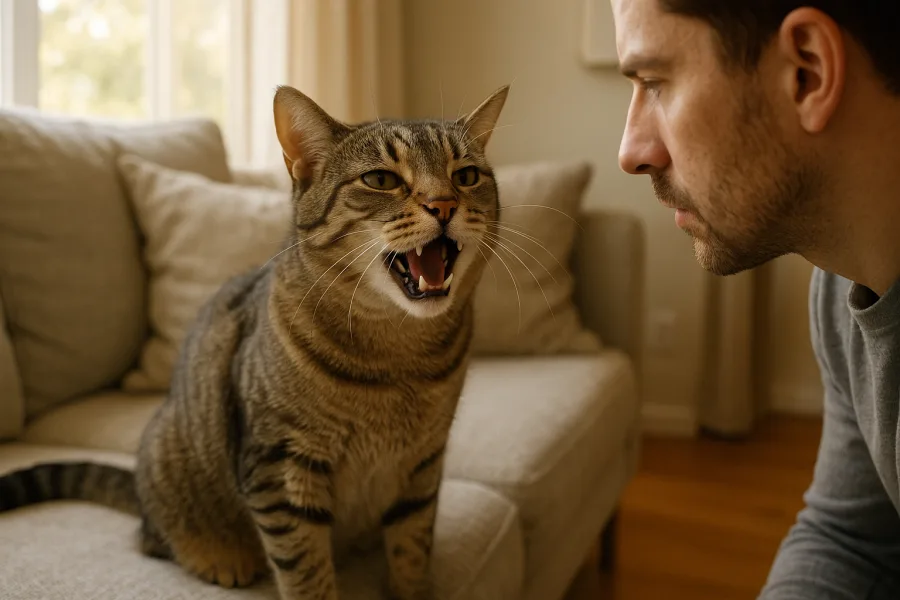
Taking care of your cat's dental health is crucial to their overall well-being, yet it often slips under the radar for many cat owners. Spotting dental problems early can help prevent more serious health issues later. Since cats are skilled at masking discomfort, it's important for you to stay attentive to their oral health. Here’s what to watch for to keep your cat’s mouth healthy and pain-free.
What Are the Immediate Signs of Dental Problems in Cats?
Some of the most immediate and noticeable signs of dental problems in cats include bad breath, excessive drooling, and visible tartar buildup. Bad breath, also known as halitosis, is a common indicator of dental disease. While a mild odor is normal, a strong, foul smell might point to issues like plaque buildup or gum disease. It's crucial to distinguish this from temporary bad breath due to food, as persistent halitosis can indicate chronic dental problems.
Excessive drooling may also signal dental distress. If your cat starts drooling more than usual, it could mean they are experiencing pain or discomfort in their mouth. This may be accompanied by difficulty swallowing or gagging, suggesting oral discomfort or a foreign object in the mouth.
Additionally, watch for visible tartar, which appears as a brownish-yellow buildup on the teeth. If not addressed, this can lead to further dental complications. Over time, tartar can harden into calculus, which is even tougher to remove and often requires professional cleaning by a veterinarian.
How Do Behavioral Changes Indicate Dental Problems?
Behavioral changes can also signal dental issues in cats. You might notice your cat hesitating to eat or approaching their food bowl reluctantly. This might be because chewing or swallowing food causes pain. Some cats may even refuse their favorite treats, indicating significant discomfort.
Cats may also paw at their mouths or shake their heads, which can be mistaken for playfulness, but if persistent, it should be taken as a possible sign of dental issues. Additionally, a cat might become less active or stop grooming themselves as much, a change from their usual behavior that can be linked to oral discomfort.
Subtle changes in eating habits, such as preferring soft foods over dry kibble or dropping food while eating, suggest oral discomfort that needs attention. Look out for any signs of frustration or vocalization during mealtime, as these can indicate pain.
What Physical Symptoms Should You Look For?
Physical symptoms of dental problems in cats can include red or bleeding gums, loose teeth, and visible sores in the mouth. Red or inflamed gums, known as gingivitis, are common in cats with dental issues and can lead to more severe periodontal disease if left untreated. In advanced cases, gingivitis can result in pus around the gums, indicating a serious infection.
Bleeding gums when eating or during tooth brushing is another warning sign. If you spot blood on your cat’s chew toys or in their water dish, it's a clear indication that a dental check-up is necessary. Bad breath paired with bleeding gums often points to a more serious underlying issue.
Loose teeth are a serious sign of advanced dental disease and need veterinary evaluation. Loose teeth can sometimes lead to infections that affect other parts of the body, like the heart and kidneys, due to bacteria spreading through the bloodstream.
Also, be aware of any sores or lesions in your cat’s mouth, as these can be painful and may indicate oral infections or other health concerns. These sores might be due to dental abscesses or even oral tumors, which require immediate veterinary attention.
Can Dental Issues Cause Weight Loss and Appetite Changes?
Dental pain can significantly affect your cat’s ability to eat, leading to reduced food intake and weight loss. If you notice your cat losing weight despite having access to food, it could be due to dental pain making eating difficult or unenjoyable. In some cases, cats may start hoarding food without eating it, as they try to eat but stop due to pain.
Monitor your cat's appetite and weight, and consult a veterinarian if you notice any concerning changes. Weight loss can be gradual or sudden, but any noticeable decrease should be addressed promptly. Early intervention can prevent secondary health issues related to malnutrition.
When Should You Consult a Veterinarian?
While some minor issues might be managed at home, certain symptoms call for a visit to the veterinarian. If your cat shows any combination of the signs mentioned, such as persistent bad breath, significant behavioral changes, or physical symptoms like loose teeth or bleeding gums, it’s time for a professional evaluation. Persistent drooling or visible discomfort during eating are also clear signs that a vet visit is necessary.
Early intervention can stop minor problems from becoming serious health issues. Regular dental check-ups are crucial, and your veterinarian can offer professional cleanings, diagnostic exams, and treatment plans tailored to your cat's specific needs.
How Can You Prevent Dental Problems in Cats?
Preventing dental problems in cats involves regular dental care and veterinary check-ups. Brushing your cat’s teeth regularly can help reduce plaque buildup and maintain gum health. Use a cat-specific toothbrush and toothpaste, as human dental products can be harmful to cats.
Offer dental treats or toys designed to promote oral health, and consider dietary options that support dental hygiene. Some cat foods are specially formulated to minimize plaque and tartar buildup, making them an excellent choice for maintaining oral health.
Regular veterinary check-ups are essential for keeping an eye on your cat’s dental health and catching any potential issues early. A professional cleaning by your vet might be recommended to ensure your cat’s mouth remains healthy. Your veterinarian can also provide advice on the best preventive measures tailored to your cat's needs, such as dental sealants or special diets.
Conclusion: Key Takeaways
- Watch for immediate signs like bad breath, drooling, and tartar buildup.
- Observe any behavioral changes, especially those related to eating habits.
- Look for physical symptoms including red gums, loose teeth, and mouth sores.
- Be aware that dental pain can lead to appetite changes and weight loss.
- Consult a veterinarian if you notice persistent or severe symptoms.
- Prevent issues with regular dental care and routine vet visits.
- Consider dietary products and dental treats as proactive measures.

I've shared my home with pets for over 40 years. No letters after my name, just four decades of paying close attention. I've read widely, watched everything I could find, and learned most of what I know from living alongside animals every day. This site is where I share what I've picked up along the way.
More by Nicole Dance →