How Playtime Can Help Reduce Your Cat's Aggression
Learn how adding playtime to your cat's routine can reduce aggression by providing mental and physical stimulation, easing stress and boredom.
Managing an aggressive cat can be a tough task for any pet owner. However, adding regular playtime to your cat's daily routine can greatly help in reducing aggression by directing their energy into more positive activities. Playtime offers both mental and physical stimulation, which can ease the stress and boredom that often lead to aggressive behavior. Through play, cats can safely express their natural hunting instincts, leading to a calmer and happier pet.
How Does Playtime Reduce Cat Aggression?
Playtime helps reduce cat aggression by providing an outlet for their built-up energy and frustration. Cats often become aggressive when they have too much energy or feel stressed. Interactive play allows them to release this energy healthily. Activities that mimic hunting help fulfill their natural instincts, making them less likely to be aggressive towards humans or other animals. Regular play also helps create a comforting routine, which can reduce anxiety-related aggression.
Moreover, playtime can strengthen the bond between you and your cat. Positive interactions during play build trust and reduce fear-based aggression. By frequently engaging with your cat, you establish a routine they look forward to, helping stabilize their mood and lessen aggressive tendencies. It also gives you a chance to monitor your cat’s behavior and health, allowing you to spot any issues early on that might lead to aggression.
Why Are Cats Aggressive?
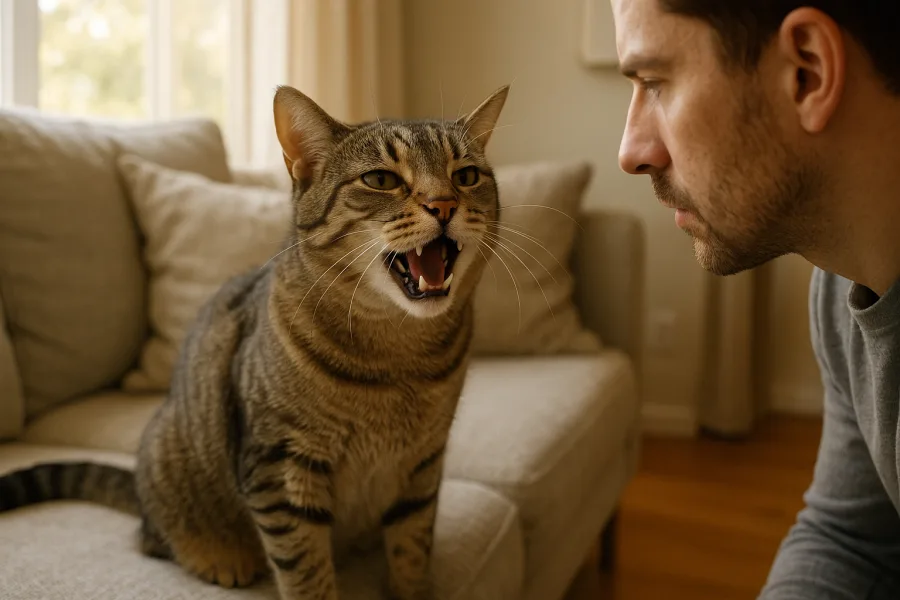
Understanding why your cat is aggressive is essential in addressing the behavior effectively. Common reasons include fear, overstimulation, territorial instincts, or underlying health problems. For example, a cat might lash out if it feels threatened or if its environment changes suddenly. A lack of mental stimulation or exercise can also lead to frustration and aggression. Recognizing aggression signs, such as a defensive posture, dilated pupils, or hissing, can help you determine the cause. You can read more in our guide to Is My Cat Suddenly Aggressive? Understanding the Causes.
To learn more about what causes aggression, you can check resources like the comprehensive guide on cat aggression causes and calming techniques. It's also a good idea to consult a vet to rule out any medical issues, as pain or discomfort can trigger aggressive behavior.
What Types of Play Are Most Effective?
Different types of play can help reduce aggression, so it's important to choose activities that appeal to your cat's instincts. Here are some effective options:
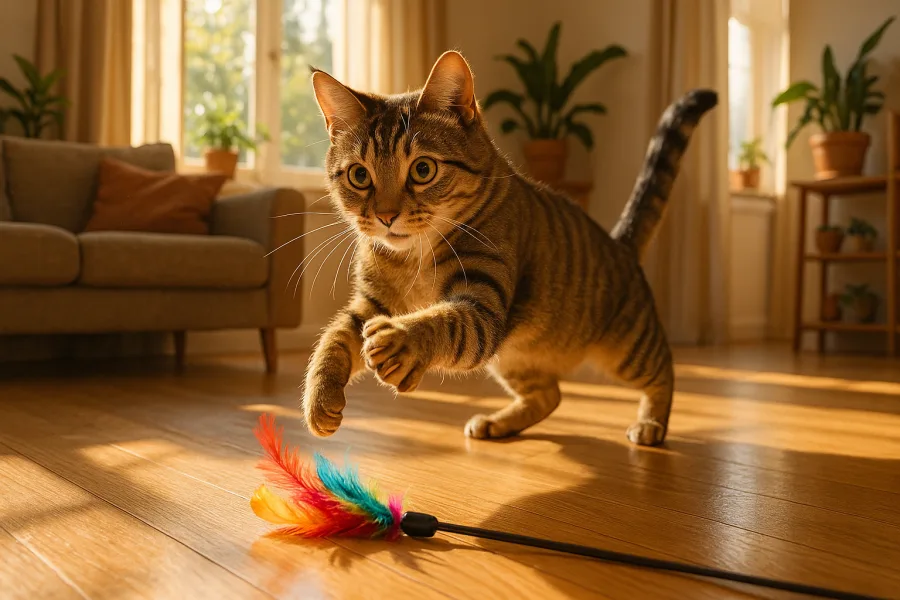
- Interactive toys: Toys like feather wands, laser pointers, and moving objects mimic prey, engaging your cat's hunting instincts. They help with behaviors like stalking and pouncing, allowing your cat to express its predatory nature safely.
- Puzzle toys: These keep your cat mentally stimulated, preventing boredom-induced aggression. They also enhance problem-solving skills and provide a sense of accomplishment when your cat figures out how to get a treat or prize.
- Chase games: Use a ball or toy for your cat to chase around the house to burn off energy. This improves physical fitness, agility, and coordination, which are vital for your cat's overall health.
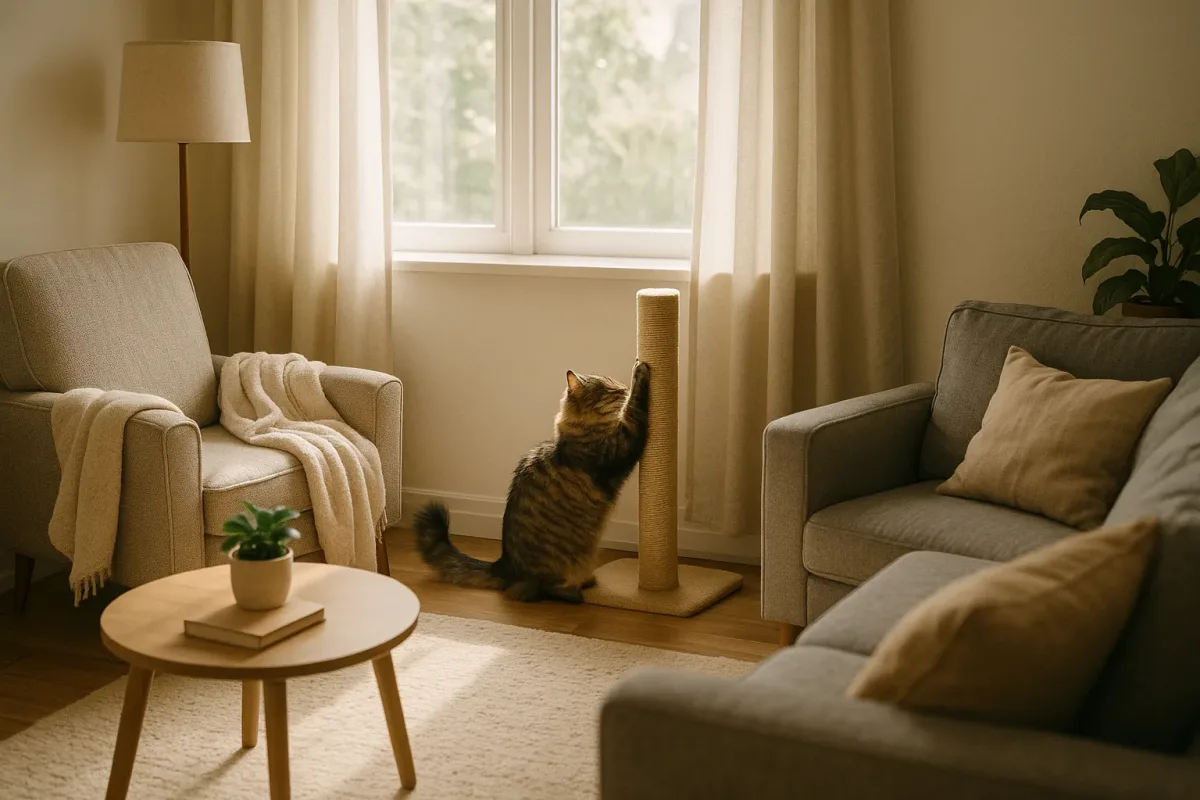
- Climbing and scratching posts: Providing vertical spaces and scratching surfaces can help reduce territorial aggression. Cats naturally seek high places for observation and security, and having a designated area for scratching satisfies their need to mark territory while keeping your furniture safe.
By varying these activities, you can keep playtime exciting and engaging for your cat, encouraging regular participation and reducing aggression. Rotating toys can also maintain your cat's interest, as they may get bored with the same toys over time.
How to Implement a Successful Playtime Routine
Creating a consistent playtime routine can greatly improve your cat's behavior. Here’s how to get started:
1. Schedule Regular Sessions: Aim for at least two play sessions a day, each lasting 10-15 minutes. Consistency is crucial, so try to play at the same times daily. This structure helps your cat know what to expect, reducing anxiety and potential aggressive outbursts.
2. Observe Your Cat’s Preferences: Notice which toys and activities your cat enjoys most. This will help tailor playtime to their interests, making it more effective. Some cats might prefer playing alone, while others enjoy interactive sessions with their owners.
3. Encourage but Don’t Force: If your cat isn’t interested, try different toys or activities, but don’t force them to play, as this can cause stress and increase aggression. Respect your cat’s mood and energy levels, allowing them to engage on their terms.
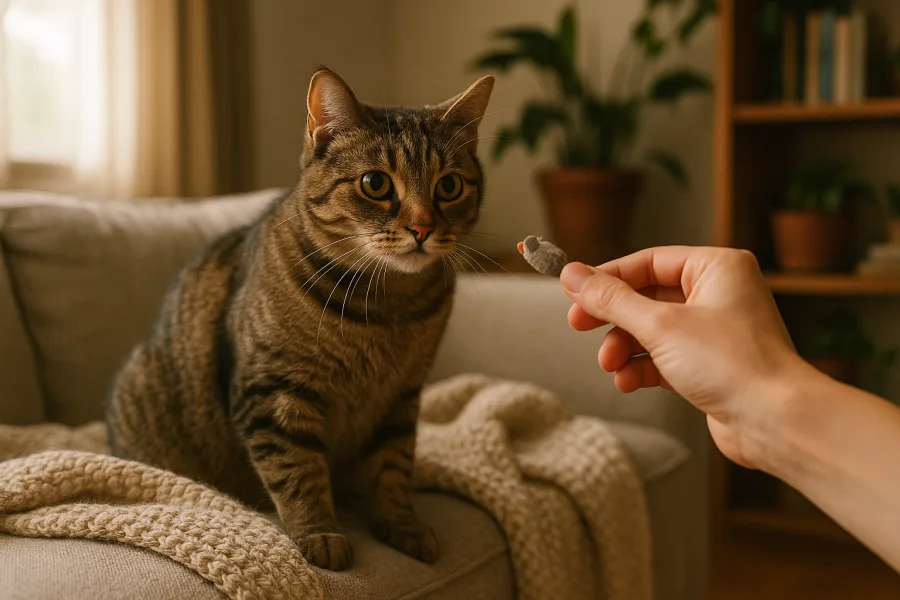
4. End on a Positive Note: Finish each session with a treat or affection to reinforce positive behavior, making playtime a rewarding experience. This helps create a positive association with play and encourages your cat to look forward to future sessions.
What Mistakes Should You Avoid?
While playtime is beneficial, certain mistakes can worsen aggression. Here’s what to avoid:
1. Overstimulation: Playing too intensely or too long can overwhelm your cat, leading to aggressive reactions. Always watch your cat’s body language for signs of overstimulation, like flattened ears or twitching tails. Recognizing when your cat has had enough will prevent negative play experiences.
2. Using Hands as Toys: Never use your hands or feet as toys, as this can encourage your cat to bite or swat at them aggressively later. Always use toys to keep interactions safe and teach your cat that playtime is separate from interaction with your body.
3. Ignoring Personal Space: Respect your cat’s need for personal space during play. If they walk away or hide, give them time to relax before engaging again. Pushing a cat to play when they're not in the mood can increase aggression and stress.
How to Measure Success and When to Seek Help
To see if your playtime strategy is effective, look for signs such as reduced aggression, less frequent biting or swatting, and a generally more relaxed cat. Increased affection or seeking out playtime are also positive indicators. If there’s no improvement or aggression worsens, consider seeking professional help. Persistent aggression might need a veterinarian’s or certified animal behaviorist’s expertise. They can assess underlying issues and offer tailored strategies. For further guidance, the article on effective strategies to calm an aggressive cat could be useful. It's crucial to address aggression early to prevent it from becoming more serious.
Quick Summary
- Regular playtime helps reduce cat aggression by providing mental and physical outlets.
- Common causes of aggression include fear, boredom, and environmental changes.
- Use interactive toys and activities that mimic natural behaviors to engage your cat.
- A consistent play schedule is crucial for effectiveness.
- Seek professional help if playtime does not improve aggressive behavior.

I've shared my home with pets for over 40 years. No letters after my name, just four decades of paying close attention. I've read widely, watched everything I could find, and learned most of what I know from living alongside animals every day. This site is where I share what I've picked up along the way.
More by Nicole Dance →