Safe Alternatives to Declawing: Manage Cat Scratching Humanely
Explore humane alternatives to declawing for managing cat scratching. Learn how to protect your furniture while ensuring your cat's well-being.
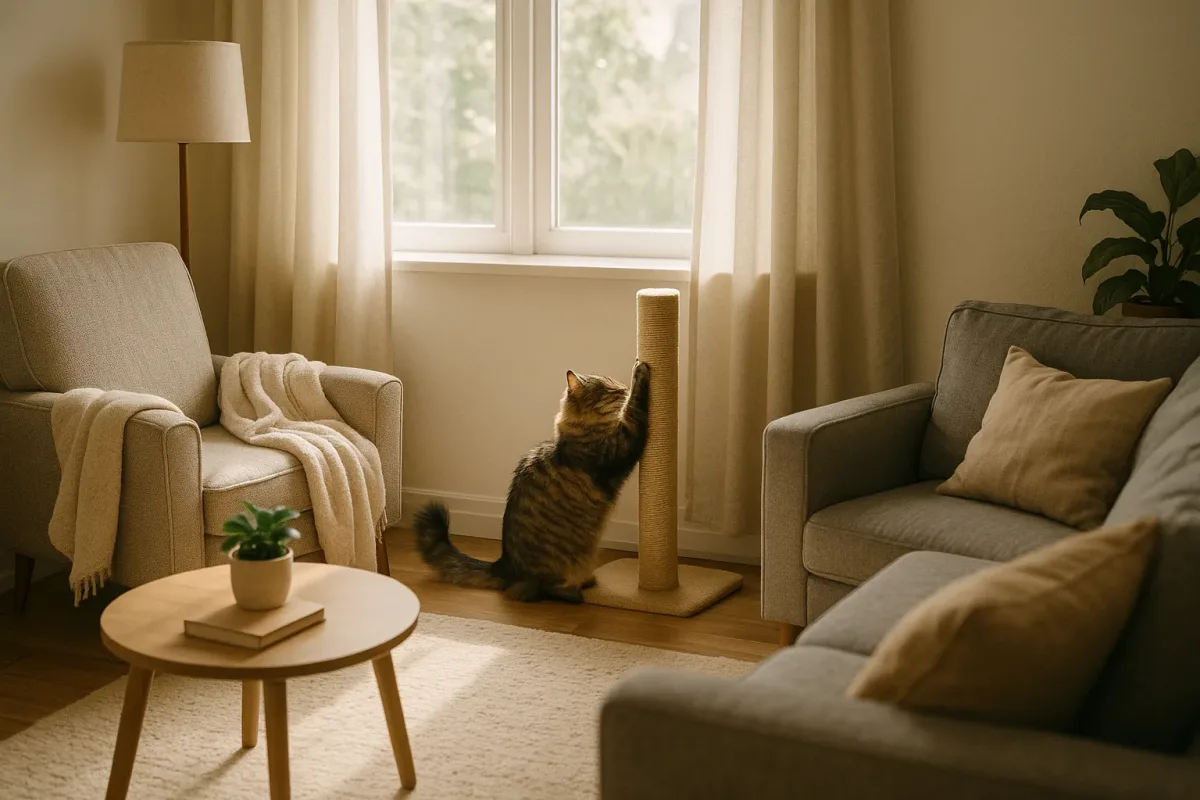
Managing a cat's scratching behavior is a common challenge for many pet owners. While declawing might seem like a straightforward solution, it involves serious ethical and health concerns for cats. Thankfully, there are many safe and humane alternatives to declawing that can help manage scratching, keeping both your cat and your furniture content.
Why Do Cats Scratch?
Scratching is a natural behavior for cats and goes beyond just being playful. It's essential for their well-being. Scratching helps cats shed the dead outer layer of their claws, mark their territory using scent glands in their paws, and stretch their bodies to maintain muscle health. Understanding these instincts is vital before choosing a management strategy. Additionally, scratching offers emotional release, allowing cats to express excitement or relieve stress, similar to how humans might fidget or doodle. Fulfilling this behavior is crucial for their mental health. You can read more in our guide to Does Declawing Stop Cats from Scratching Furniture?.
What Are Safe Alternatives to Declawing?
Scratching Posts and Pads
A great alternative to declawing is providing scratching posts and pads. Available in materials like sisal, carpet, and cardboard, they cater to different scratching preferences. Place them where your cat often scratches or near their favorite resting spots. By observing your cat's preferred materials, you can offer similar textures in their posts. Remember to praise your cat when they use the scratching post, reinforcing good behavior. Check out our comprehensive guide on stopping cats from scratching furniture for more insights.
Nail Caps
Nail caps are small, soft covers that fit over your cat's claws, protecting furniture without hindering their natural scratching. They are glued onto the claws and typically last four to six weeks before needing replacement. While generally safe, some cats might need time to adjust, so be patient during the initial application. Monitor your cat in the first few days to ensure they’re comfortable. Choosing the right size and applying them correctly is important to prevent discomfort. Regularly check that the caps are secure and not causing irritation.
Regular Nail Trimming
Trimming your cat's nails regularly can greatly reduce scratching damage. Here’s a simple guide to doing it safely:
- Use a sharp, special cat nail clipper. Dull clippers can crush the nail and cause discomfort.
- Gently hold your cat in your lap and softly press on their paw to extend the claws. Speaking softly and giving gentle pats can help keep your cat calm.
- Trim only the sharp tip of the nail, avoiding the pink area known as the quick, which contains nerves and blood vessels. If you accidentally cut the quick, apply a styptic powder to stop any bleeding.
- Trim every two to three weeks to maintain a safe nail length. Establishing a routine can help your cat get used to this process.
Patience and treats can make this a positive experience for both you and your cat. If your cat is particularly anxious, consider seeking help from a professional groomer or veterinarian.
Training and Redirection Techniques
Training your cat to use scratching posts instead of furniture involves positive reinforcement and redirection. Encourage your cat by placing their paws on the post and rewarding them with a treat whenever they use it. If your cat starts to scratch furniture, gently redirect them to the post. Consistency is key, as cats learn best through repetition and rewards. Use verbal cues and clickers to reinforce the behavior, and over time, your cat will associate the scratching post with positive experiences. Our complete guide to Repairing Furniture Damaged by Cat Scratching: A has more on this if you want to dig deeper.
How Can Environmental Enrichment Help?
Enriching your cat's environment can also reduce destructive scratching. Interactive toys such as feather wands, laser pointers, and puzzle feeders stimulate your cat's mind and provide physical exercise, which can lessen the urge to scratch furniture out of boredom. Rotating toys regularly keeps things fresh and engaging for your feline friend. Additionally, providing vertical spaces like cat trees or shelves can satisfy your cat's need to climb and scratch without damaging your furniture. This also gives them a sense of security and territory within the home.
Using Deterrents Effectively
If your cat continues to target specific areas, using safe deterrents can be very effective. Double-sided tape can be placed on furniture edges to discourage scratching, as cats dislike the sticky sensation on their paws. Alternatively, citrus sprays can be used as cats generally avoid citrus scents. Always test a small area first to ensure the spray doesn't damage your furniture. For more persistent cases, consider using motion-activated sprays that release a harmless burst of air to deter your cat from scratching in specific areas.
When to Consult a Professional
If your cat's scratching behavior becomes unmanageable despite trying these methods, it may be time to consult a veterinarian or a pet behaviorist. Persistent scratching can sometimes indicate stress or anxiety, requiring a tailored approach to address any underlying issues. Professionals can assess your cat's behavior and provide guidance or therapies that are more specific to your cat's needs. This might include behavioral modification techniques or, in some cases, medication to reduce anxiety.
Quick Summary
- Scratching is a natural behavior with health benefits for cats, including physical and emotional well-being.
- Scratching posts, nail caps, and regular nail trimming are effective alternatives to declawing.
- Training, environmental enrichment, and deterrents can help manage scratching behavior.
- Consult a professional if scratching persists despite your efforts, as it may indicate deeper issues.
By implementing these strategies, you can protect your furniture and nurture a healthy, happy relationship with your cat while respecting their natural instincts. Remember that patience and understanding are key to cohabiting peacefully with your feline friend.

I've shared my home with pets for over 40 years. No letters after my name, just four decades of paying close attention. I've read widely, watched everything I could find, and learned most of what I know from living alongside animals every day. This site is where I share what I've picked up along the way.
More by Nicole Dance →