Effective Ways to Socialize an Aggressive Cat
Explore effective methods to socialize an aggressive cat by understanding its behavior and creating a safe, positive environment for better bonding.
Dealing with an aggressive cat can be both challenging and frustrating for pet owners. However, socializing an aggressive cat is achievable and can greatly enhance your bond with your feline friend. The key is understanding the root causes of aggression and applying effective techniques to foster a more harmonious environment. This article provides strategies to help your cat become more social and less aggressive.
Why Do Cats Exhibit Aggressive Behavior?
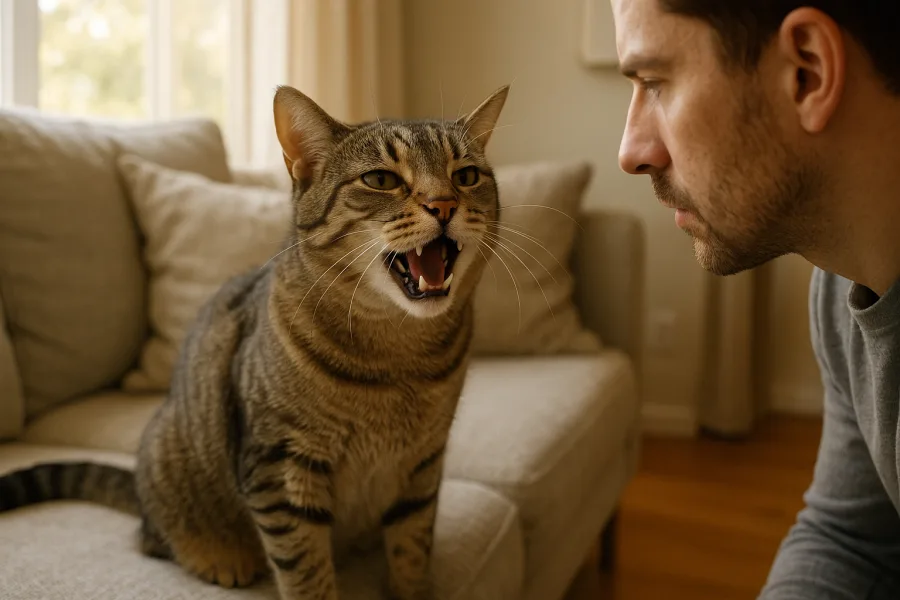
Cats may become aggressive for various reasons, including fear, territorial instincts, or past traumas. Understanding these causes is crucial for effectively addressing the behavior. Aggression might be a defensive response to a perceived threat or a sign of frustration. Sometimes, sudden changes in environment or routine can trigger aggressive behaviors. For more insights into these causes, explore our comprehensive guide on understanding cat aggression and calming techniques.
Fear-induced aggression is often observed in cats that have faced traumatic events or were not adequately socialized as kittens. Cats might also become aggressive if they feel their territory is being encroached upon, which is common in multi-pet households. Health issues such as pain or hormonal imbalances can also lead to sudden aggression. Recognizing these underlying issues is the first step in addressing the behavior and ensuring your cat feels secure in their environment.
How Can You Create a Safe Environment?
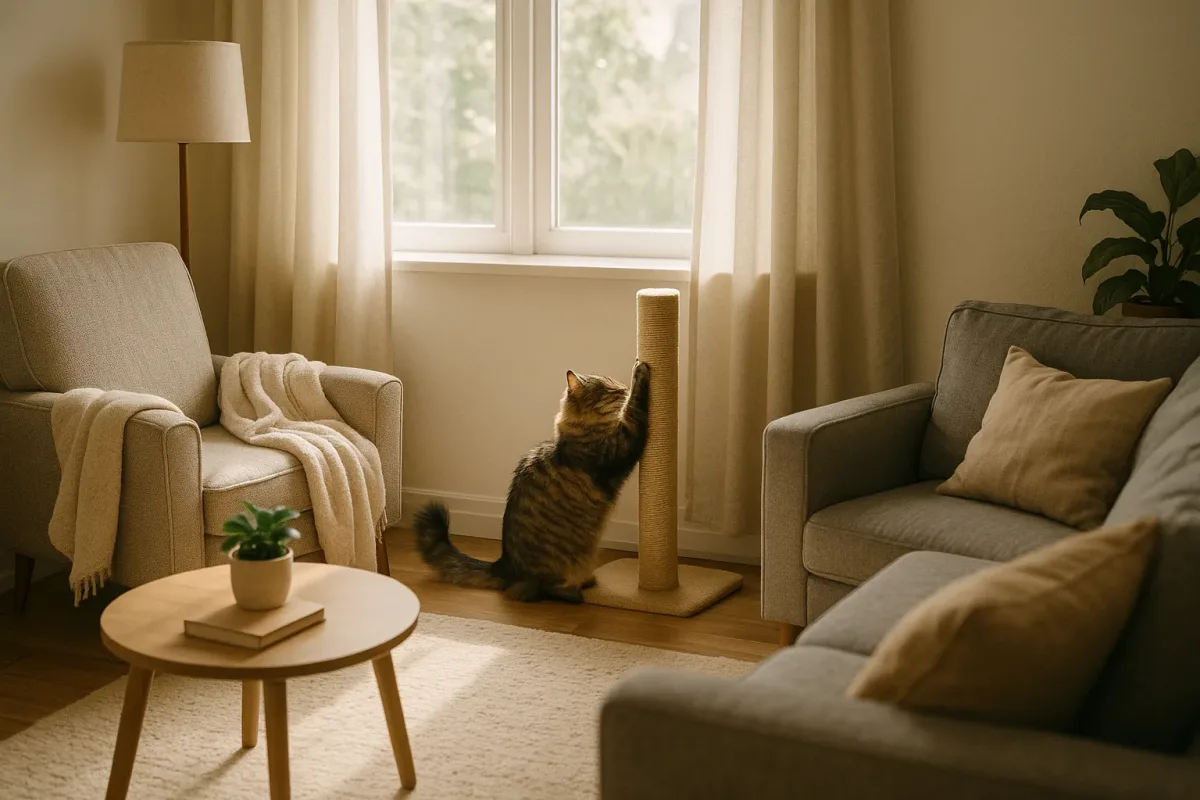
Creating a safe environment is crucial for socializing an aggressive cat. Your home should be a sanctuary where your cat feels secure. Designate safe zones with comfortable bedding, toys, and scratching posts, situated in quiet areas away from heavy foot traffic. Maintaining a consistent routine for feeding and playtime can also help reduce anxiety and aggression.
Consider the sensory environment as well. Cats are very sensitive to smells and sounds. Calming pheromone diffusers can help create a soothing atmosphere by mimicking the natural pheromones cats produce to mark their safe space, helping them feel more at ease. Reducing loud noises and providing a quiet corner for your cat to retreat when stressed will also contribute to a more secure environment.
What is Positive Reinforcement and How to Use It?
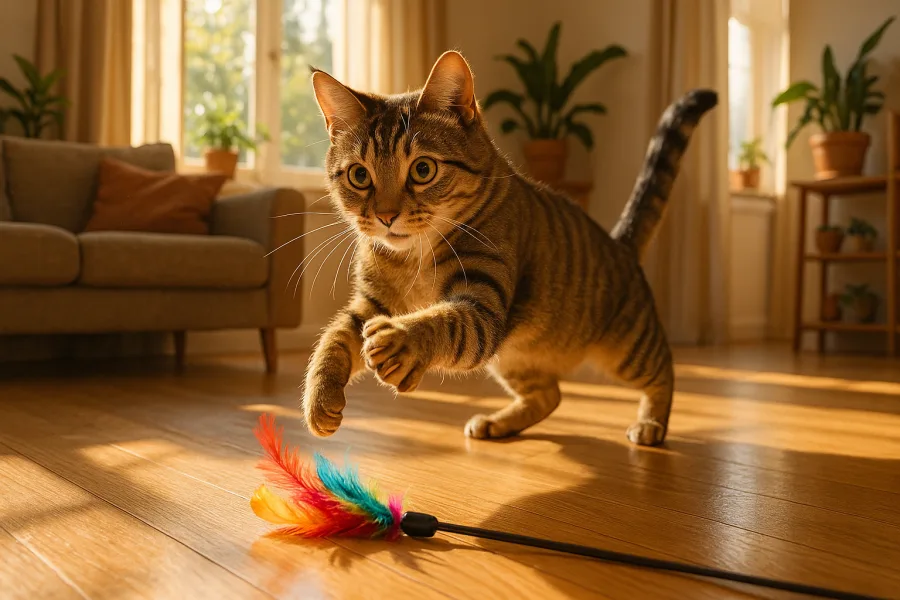
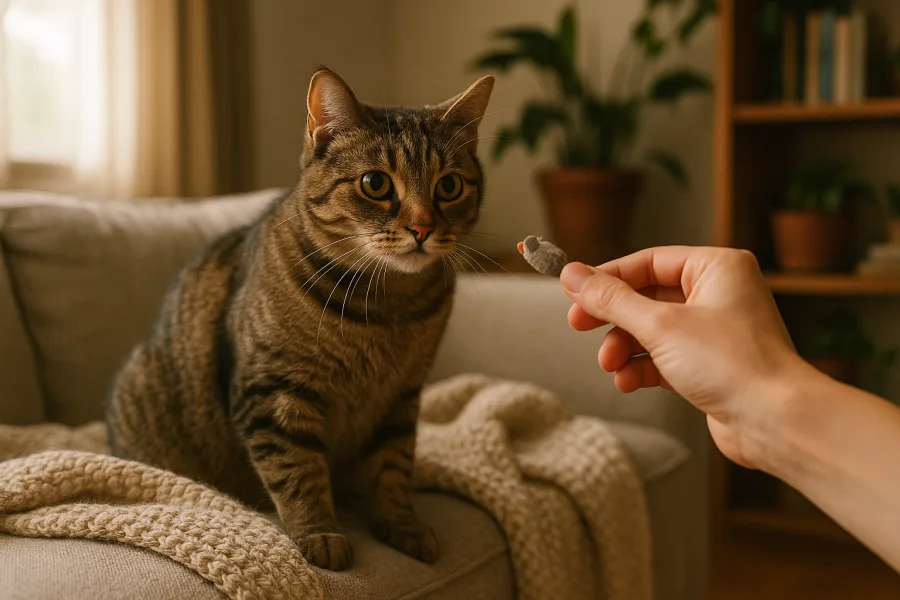
Positive reinforcement is a powerful tool for modifying your cat's behavior. By rewarding non-aggressive behavior with treats, praise, or play, you encourage your cat to repeat those actions. Choose a reward your cat values, whether it's a favorite treat or a special toy. Consistently rewarding calm behavior will help your cat associate social interactions with positive outcomes. You can read more in our guide to Effective Strategies to Calm an Aggressive Cat.
Be observant and timely with your rewards. Reinforce desired behaviors immediately to help your cat make the connection between their action and the reward. For example, if your cat calmly observes a new guest without hissing or hiding, reward them with a treat right away. Over time, this approach can help reshape your cat's responses to social stimuli.
How to Introduce Gradual Exposure?
Gradual exposure involves slowly introducing your cat to new experiences at a comfortable pace. Start by allowing them to observe new people or pets from a distance, using barriers like baby gates if necessary. As your cat becomes more comfortable, gradually decrease the distance. Always ensure that each introduction is calm and positive. Respect your cat's pace and never force interactions.
Begin with short sessions and gradually increase the duration as your cat becomes more at ease. If introducing a new pet, allow them to sniff each other's belongings first to get used to each other's scent. Over time, supervised face-to-face meetings can be arranged, ensuring each interaction is positive. Patience is key, as rushing the process can lead to setbacks.
What are Common Triggers and How to Avoid Them?
Identifying your cat's specific triggers is essential in managing aggression. Common triggers may include loud noises, unfamiliar animals, or sudden movements. Observe your cat closely to determine what causes stress or fear. Once identified, create strategies to minimize exposure to these triggers. This might involve soundproofing a room or providing hiding spots for your cat to retreat when feeling overwhelmed. You can read more in our guide to Is My Cat Suddenly Aggressive? Understanding the Causes.
Consider the impact of household dynamics on your cat's behavior. Changes such as the arrival of a new baby or a move to a new home can be stressful. Gradually introducing these changes and providing extra attention during transitional periods can help mitigate stress-induced aggression. Keep in mind that some triggers might not be immediately obvious and may require careful observation over time.
When Should You Seek Professional Help?
If your cat's aggression persists despite your best efforts, consulting a veterinarian or an animal behaviorist can provide additional support. Professional help might be needed if there are frequent unprovoked attacks, severe stress, or if the aggression poses a threat to other pets or family members. A professional can offer tailored advice and possibly uncover underlying health issues contributing to the behavior.
Professional intervention might involve a detailed assessment of your cat's behavior and environment, followed by a customized behavior modification plan. In some cases, medication may be recommended to help manage anxiety or hormonal imbalances. Remember, seeking professional help is not a sign of failure but a proactive step towards ensuring the well-being of your cat and family.
Quick Summary
- Understand the causes of your cat's aggression to address it effectively.
- Create a safe and secure environment to reduce stress and anxiety.
- Use positive reinforcement to encourage non-aggressive behavior.
- Introduce new experiences gradually, respecting your cat's comfort level.
- Identify and avoid triggers that provoke aggression.
- Seek professional help if aggression persists or becomes unmanageable.
Patience and consistency are your greatest allies when socializing an aggressive cat. While progress may be slow, celebrating small victories along the way can make a significant difference. Remember, every cat is unique, and understanding your pet's specific needs will lead to a more peaceful coexistence.

I've shared my home with pets for over 40 years. No letters after my name, just four decades of paying close attention. I've read widely, watched everything I could find, and learned most of what I know from living alongside animals every day. This site is where I share what I've picked up along the way.
More by Nicole Dance →