Repairing Furniture Damaged by Cat Scratching: A Step-by-Step Guide
Learn how to repair furniture scratched by cats with tailored techniques for fabric, leather, and wood. Act fast to restore its look and functionality.
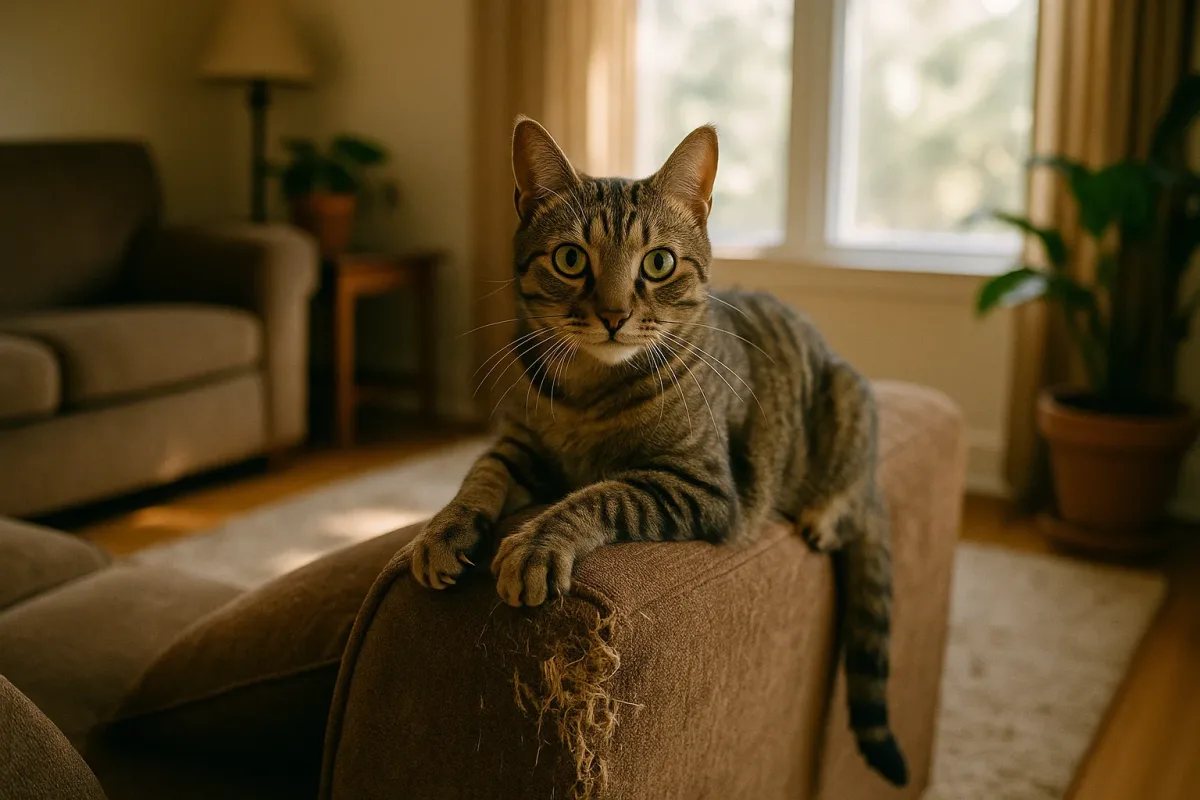
Finding your beloved furniture scratched by your cat can be quite upsetting. But don't worry, with the right techniques, you can fix the damage and bring back both its look and functionality. The trick is to act fast and use repair methods suited to each material. With some effort, you can handle this on your own and even prevent it from happening again.
What Are the First Steps to Take?
Once you notice your furniture has been scratched, it's important to act quickly to stop more damage. Start by trimming loose threads or frayed fabric to prevent further tearing. For wooden pieces, gently clean the surface with a soft cloth to remove dust and debris. If your furniture is leather, use a mild cleaner to wipe away any dirt and oils that could interfere with repairs. These steps prepare the area for effective fixing. You can read more in our guide to Does Declawing Stop Cats from Scratching Furniture?.
It's also wise to document the damage. Taking photos can be useful, especially if you decide to hire a professional later or need specific repair materials. This documentation will help you track the success of your repairs over time. By understanding the initial condition, you can better judge how well your efforts have worked.
How to Assess the Damage on Different Materials?
Before you start any repairs, it's essential to assess how bad the damage is. Different materials need different approaches:
Fabric Furniture: Check how deep and long the scratches are. Are they just on the surface or have they gone deeper? This will help you decide if a simple patch or a more extensive repair is needed. Also, consider the type of fabric; delicate materials might require gentle handling and special tools or adhesives to avoid further harm.
Leather Furniture: Look for scratches that have marred the surface or caused peeling or cracking. The severity will guide your repair method. The type of leather matters too, bonded and genuine leather may need different repair kits. Knowing your leather type helps you choose the right products and techniques for a seamless fix.
Wood Furniture: Determine if you have surface scratches or deeper gouges. Surface scratches might just need refinishing, while deeper ones could require filling and sanding. Consider the wood finish and color, as matching these is key for a cohesive look. If the wood has a unique grain or pattern, choose fillers and stains that complement the original appearance.
What Are the Best Repair Techniques for Each Material?
Fabric Furniture
For minor tears, stitching can be a simple fix. Use matching thread and a needle to sew the tear, knotting securely at the end. For larger areas, fabric glue can be effective. Apply the glue under torn edges and press them together until it sets. You can also use a patch from a hidden part of the furniture or buy one from a fabric store for bigger tears.
For more advanced repairs, try an iron-on patch. These come in various colors and textures, helping them blend better with your existing fabric. Position the patch over the tear and use a warm iron to adhere it. This method is particularly useful for high-traffic areas needing durable repair solutions.
Leather Furniture
Repair kits are excellent for fixing scratched leather. They usually come with compounds to fill scratches and dyes for color matching. Start by cleaning the area, then apply the compound to fill in scratches. Use a color-matching dye or cream to blend the repaired area with the rest of the furniture. Finish by conditioning the leather to restore its natural shine.
For more intricate repairs, leather patch kits can be handy. They provide patches that can be cut to size and applied to larger damaged areas. Make sure the patch edges are smooth and overlap minimally with undamaged leather for a seamless appearance. After applying the patch, use a leather conditioner to blend the textures and enhance durability.
Wood Furniture
For surface scratches, lightly sand the area and apply a matching wood finish. For deeper gouges, use wood filler to level the surface before sanding. Once smooth, apply a stain or finish that matches the rest of the piece. This not only restores the look but also protects against future damage.
If the damage is significant, consider a veneer patch. Veneer sheets can be cut and glued onto the damaged area, providing a uniform look. This method is especially effective for furniture with detailed designs or patterns. Once applied, seal the area with a protective finish to ensure longevity and resistance to future wear.
How Can You Prevent Future Scratching?
Preventing future damage is just as important as repairing the existing scratches. Offer your cat alternative scratching options, like scratching posts or pads. Place these where your cat often goes to encourage their use. Additionally, consider using deterrents like citrus sprays, which cats typically dislike. For more strategies, see our guide on how to prevent cats from scratching furniture.
You might also rearrange furniture to limit access to tempting surfaces. Covering furniture with protective throws or slipcovers can deter scratching. Keeping your cat engaged with regular playtime can reduce their need to scratch for exercise or stress relief, leading to less damage. If you want the full picture, our guide to Top Furniture Covers to Protect Against Cat Scratching covers everything in depth.
When to Call a Professional?
If the damage is extensive, such as large fabric tears or deep wood gouges affecting structure, it may be wise to call a professional. They can often restore the furniture more thoroughly and might offer guarantees for their work, saving you time and ensuring a polished result.
Professionals have access to specialized tools and materials that can achieve results hard to replicate at home. They can also provide expert advice on maintaining repaired furniture and preventing future damage. Weigh the cost of professional services against your furniture's value and the damage extent to make an informed choice.
Quick Summary
- Act quickly to prevent further damage by cleaning and preparing the area.
- Assess the severity of the damage based on material type.
- Use suitable repair techniques: stitching or patching for fabric, repair kits for leather, and sanding/refinishing for wood.
- Prevent future scratching with alternative options and deterrents.
- Consult a professional for extensive damage beyond DIY repair.

I've shared my home with pets for over 40 years. No letters after my name, just four decades of paying close attention. I've read widely, watched everything I could find, and learned most of what I know from living alongside animals every day. This site is where I share what I've picked up along the way.
More by Nicole Dance →