Does Declawing Stop Cats from Scratching Furniture?
Explore why declawing isn't effective for preventing furniture scratching and learn about humane alternatives to protect your furniture.
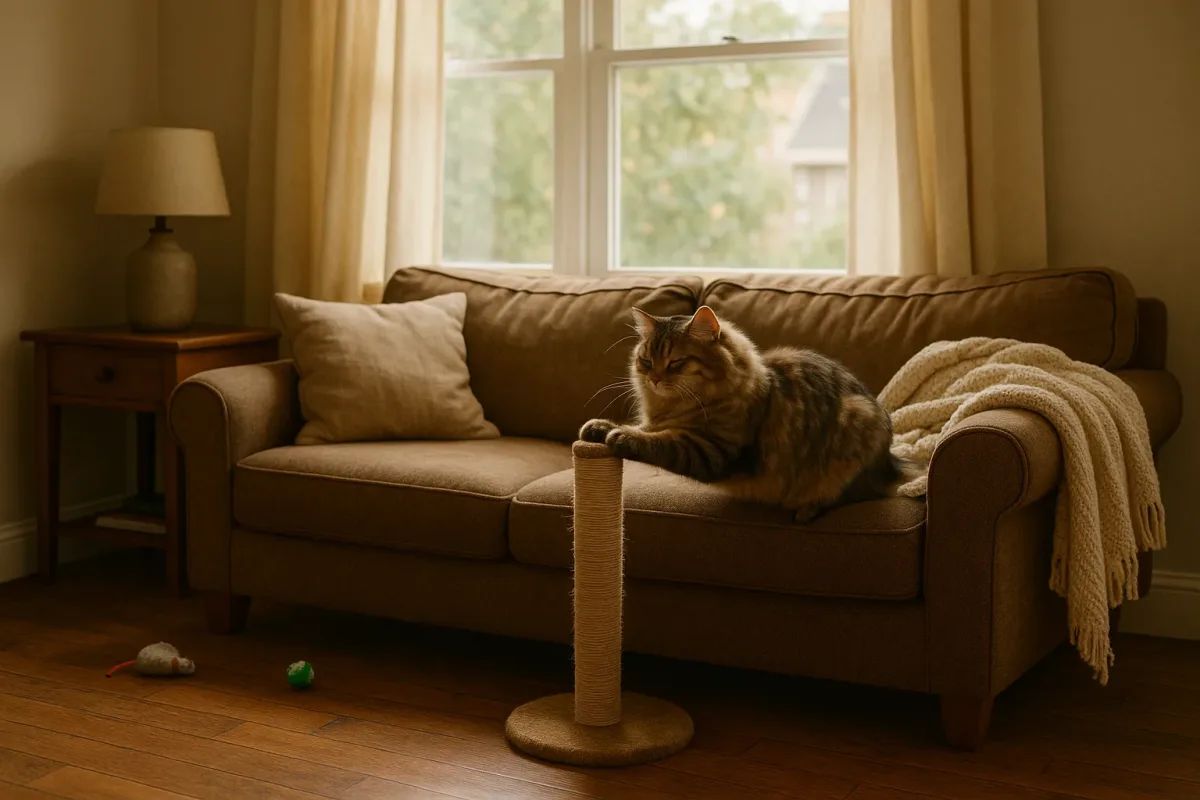
Many cat owners know the frustration of having their furniture turned into a scratching post by their feline friends. This often leads to the question: Can declawing stop cats from scratching furniture? While it might seem like a straightforward solution, declawing does not effectively prevent furniture scratching and can cause significant behavioral and health issues for your cat.
What is Declawing?
Declawing is a surgical procedure that involves amputating the last bone of each toe on a cat's paws. It's not just the removal of claws, it's akin to cutting off a human finger at the last joint. This procedure can have deep physical and emotional effects on cats.
Physically, declawing can lead to complications like infections, pain, and lameness. It can result in nerve damage and cause improperly removed claws to regrow, leading to ongoing discomfort. Cats may also struggle with walking and balancing after surgery since they rely on their toes for these activities. Emotionally, cats may experience increased stress and anxiety due to losing the ability to perform natural behaviors. Scratching is a normal feline behavior that helps cats mark their territory, stretch, and maintain their claws. Taking away this ability can be distressing, leaving them feeling vulnerable and defenseless.
Why Declawing is Not the Answer
Beyond the immediate physical effects, declawing can lead to various behavioral issues. Cats might become more aggressive due to discomfort and their inability to use their claws for defense. This aggression can manifest in biting, which then becomes their primary means of defense. Additionally, many cats experience litter box problems after surgery, often avoiding it due to pain when digging or stepping on the litter. This can lead to inappropriate elimination behaviors, such as urinating or defecating outside the litter box, which can be distressing for both the cat and the owner.
From an ethical standpoint, many veterinary organizations strongly discourage declawing. It is deemed inhumane by numerous animal welfare groups because it inflicts unnecessary pain and alters cats' natural behavior. Veterinarians today advocate for alternative solutions that are both effective and humane. The American Veterinary Medical Association (AVMA) only supports declawing as a last resort when all other options have failed and when it is necessary for the cat’s health or safety.
What Are the Alternatives?
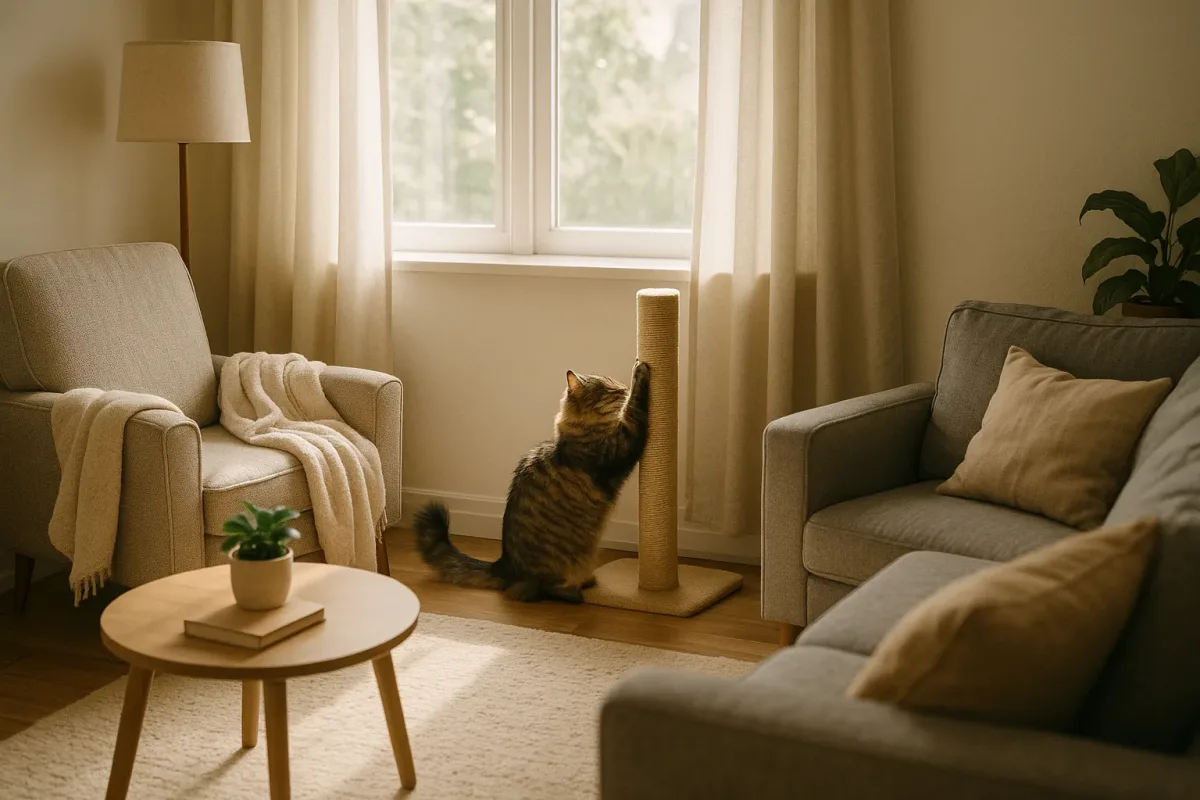
Fortunately, there are numerous alternatives to declawing that can protect your furniture while considering your cat's welfare. Providing scratching posts is one of the most effective methods. These give cats an appropriate outlet for their scratching instincts, helping to divert their attention away from furniture. Scratching posts come in various shapes and sizes, and it's beneficial to have multiple posts made of different materials like sisal, carpet, or cardboard to see which your cat prefers. If you want the full picture, our guide to Top Furniture Covers to Protect Against Cat Scratching covers everything in depth.
Another option is using nail caps, small plastic covers that are glued onto a cat's claws. These caps prevent the claws from causing damage while allowing the cat to extend and retract them normally. They need to be replaced every four to six weeks as the cat’s nails grow. Regular nail trimming is also essential to maintain your cat's claws at a manageable length, reducing the potential for furniture damage. It’s important to start trimming your cat’s nails from a young age to get them accustomed to the process.
For more strategies on protecting your home, you may want to explore effective ways to stop cats from scratching furniture. This includes using deterrent sprays or tape on furniture, which can discourage cats from scratching due to the unpleasant texture or scent.
How to Train Your Cat to Stop Scratching Furniture
Training your cat to use a scratching post instead of your furniture takes patience and positive reinforcement. Start by placing the scratching post near the furniture that your cat tends to scratch. Encourage your cat to use the post by gently placing their paws on it or using toys and catnip to spark their interest. It may also help to cover the scratched areas of your furniture temporarily to remove the temptation. Our in-depth guide to Are Some Cat Breeds Less Likely to Scratch Furniture? covers all the related factors worth knowing.
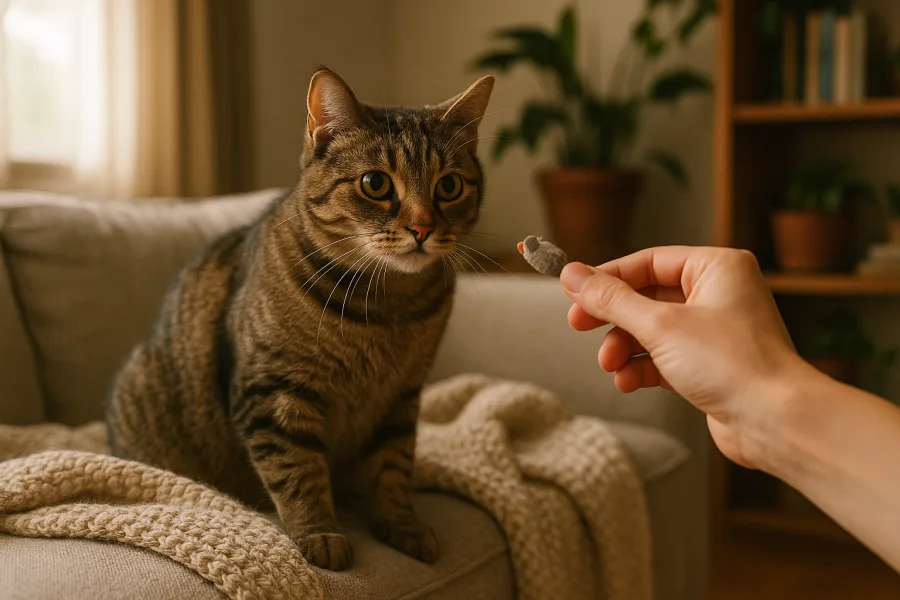
Whenever your cat uses the scratching post, reward them with treats, affection, or playtime. This positive reinforcement encourages the behavior you want to see. Consistency is key, so be sure to praise them each time they use the post correctly. If your cat scratches furniture, redirect them to the scratching post instead of punishing them, as negative reinforcement can lead to fear and anxiety. For more detailed guidance, consider reading tips on training your cat to use a scratching post effectively.
Quick Summary
- Declawing is not an effective solution to prevent cats from scratching furniture and can cause behavioral and health issues.
- Declawing involves the amputation of the last bone of each toe, leading to significant physical and emotional impacts.
- Increased aggression and litter box problems are common behavioral issues post-declawing.
- Use alternatives like scratching posts, nail caps, and regular nail trimming to manage scratching behavior.
- Train your cat with positive reinforcement to use scratching posts instead of furniture.
- Explore deterrent methods like sprays or tape to protect furniture from scratching.
By understanding the implications of declawing and exploring humane alternatives, you can protect your furniture and ensure your cat remains happy and healthy. Each cat is unique, so observing your pet’s behavior and preferences is crucial in finding the best solution for both your furniture and your feline friend. With patience and the right approach, you can foster an environment where your cat’s natural behaviors are accommodated without sacrificing your home’s interior.

I've shared my home with pets for over 40 years. No letters after my name, just four decades of paying close attention. I've read widely, watched everything I could find, and learned most of what I know from living alongside animals every day. This site is where I share what I've picked up along the way.
More by Nicole Dance →