The Ultimate Guide to Training Your Dog to Walk on a Leash
Learn effective leash training techniques to make walking your dog enjoyable and safe. Enhance your bond with practical tips and strategies.
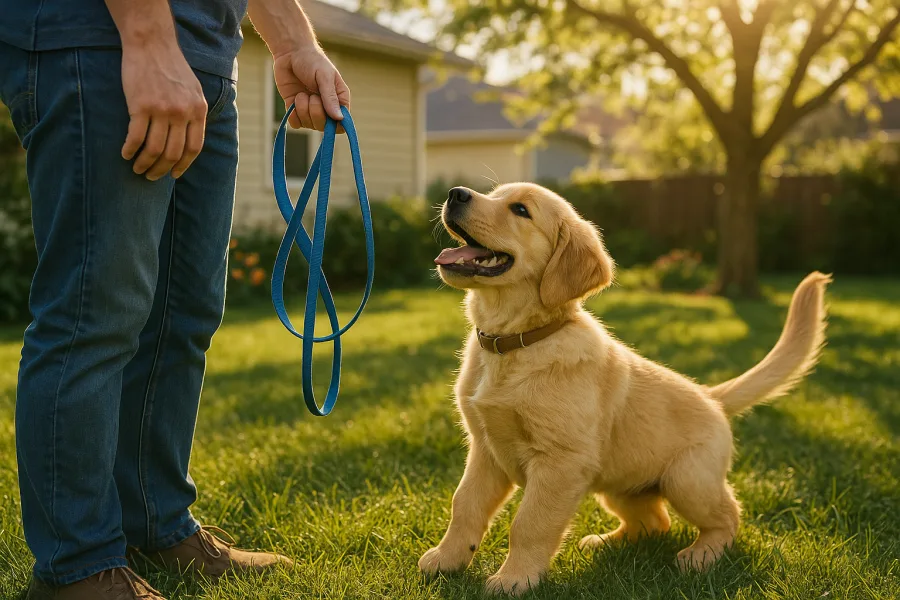
Walking your dog should be a delightful experience for both you and your furry companion. However, without proper leash training, this daily activity can become a frustrating ordeal filled with pulling, distractions, and misbehavior. Effective leash training not only improves your dog's conduct but also strengthens your bond and enhances safety during walks. In this guide, you'll discover practical steps and strategies to turn your walks into a pleasant experience.
How to Start Leash Training Your Dog
Leash training involves more than simply attaching a leash to your dog's collar. The right tools and techniques are crucial for success. Start by choosing a suitable leash and collar or harness. A standard 4 to 6-foot leash is ideal, providing control without too much slack. Choose a flat or martingale collar for most dogs, but if your dog tends to pull, a front-clip harness might be more effective. Our article on Essential Equipment for Leash Training Your Dog goes into more detail on this specific point.
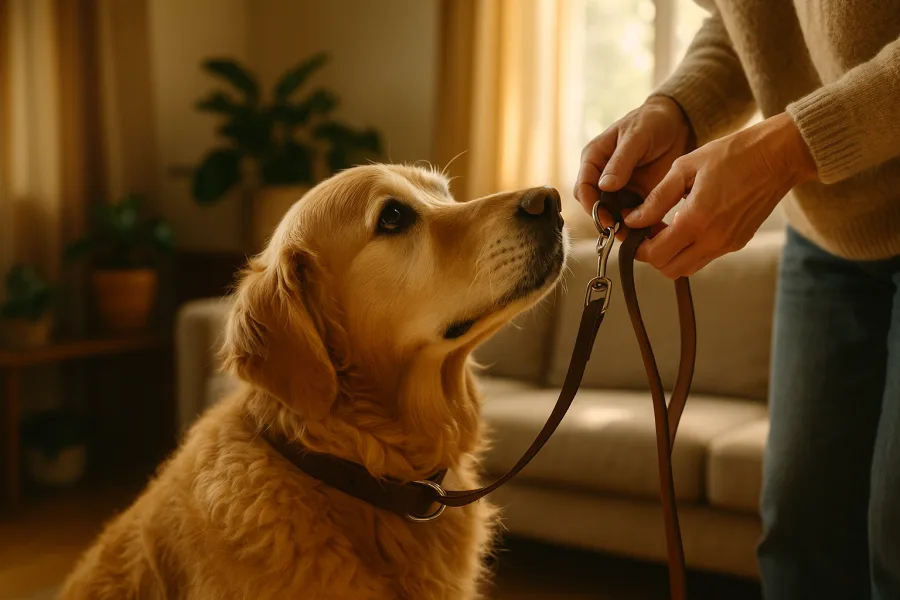
Introduce the leash gradually. Allow your dog to wear it around the house without holding it, letting them get used to its presence. Practice short, controlled sessions where you hold the leash, using a calm, encouraging voice. Reward your dog with treats and praise for staying close and following your lead. This initial phase is essential for establishing trust and comfort with the leash, paving the way for smoother outdoor training sessions.
Incorporating the “heel” command from the start can also be beneficial. This command teaches your dog to walk beside you without pulling. Begin in a distraction-free environment, using treats to guide your dog to the desired position next to you. Consistent practice of this command will help your dog develop the habit of walking calmly by your side.
Nicole's Leash Training Philosophy
In my years with dogs, I've found that patience and consistency are the cornerstones of successful leash training. Each dog learns at their own pace, and it's crucial to celebrate small victories along the way. A calm and steady approach not only builds trust but also creates a positive association with walking on a leash.
Why Do Dogs Pull on the Leash?
Understanding why your dog pulls on the leash is the first step in addressing the behavior. Dogs often pull due to excitement, curiosity, or a desire to explore their surroundings faster than their humans can walk. Some dogs are naturally more energetic and require more stimulation, which can lead to pulling.
By observing your dog's behavior, you can tailor your training approach. If your dog pulls to chase after other animals or objects, focus on impulse control exercises. For dogs that pull out of fear or anxiety, consider desensitization and counter-conditioning techniques. Gradually exposing your dog to the stimuli causing fear while rewarding calm behavior can alleviate anxiety. Additionally, understanding your dog’s body language can provide insights into their motivations for pulling, allowing you to address specific triggers more effectively.
Another common reason for pulling is the natural canine instinct to follow scents. Dogs have an incredibly keen sense of smell, and a walk provides a rich array of scents to explore. Training your dog to focus on you rather than the environment can help mitigate this instinct. Incorporate focus exercises, such as teaching your dog to make eye contact or respond to their name, to redirect attention back to you during walks.
Personal Story: Leash Training Bonnie
When I first adopted Bonnie, my energetic Jack Russell cross, she was full of beans and eager to explore everything at top speed. During our initial walks, she would pull and dart in every direction, making it challenging to enjoy our outings. I realized that her pulling was driven by curiosity and excitement. To address this, I focused on impulse control exercises and incorporated the "watch me" command to redirect her attention. Over time, Bonnie learned to walk calmly by my side, transforming our walks into a more enjoyable experience.
Positive Reinforcement: Your Best Friend in Training
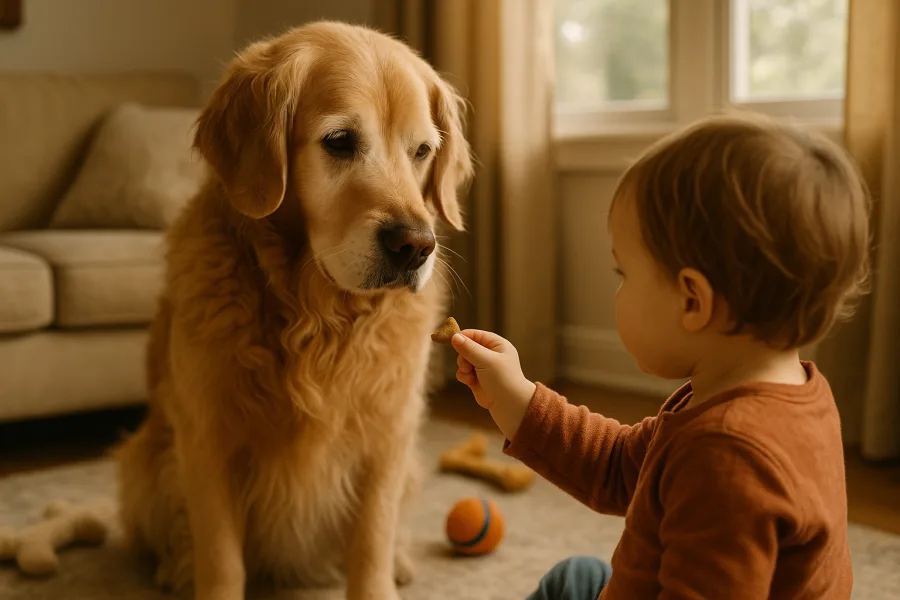
Positive reinforcement is a powerful tool in leash training. Rewarding your dog for desirable behavior encourages them to repeat it. Use treats, verbal praise, and affection to reinforce walking calmly on a leash.
Start by rewarding your dog for staying by your side. As soon as they walk without pulling, offer a treat or a word of praise. Gradually increase the distance they need to walk calmly before receiving a reward. Consistency is key; ensure you're patient and persistent in reinforcing good behavior. It's also important to vary your rewards to retain your dog's interest. High-value treats, especially those your dog particularly enjoys, can be reserved for reinforcing the most challenging behaviors.
Timing is crucial when using positive reinforcement. Rewards should be given immediately after the desired behavior to ensure your dog makes the connection between the action and the reward. This immediate feedback helps solidify the behavior in your dog's mind, making it more likely that they'll repeat it in the future.
Avoiding Common Leash Training Mistakes
Leash training can be unintentionally hindered by common mistakes. One frequent error is allowing your dog to pull without correction, which only reinforces the pulling behavior. Instead, stop walking when your dog pulls and only proceed when they have calmed down. This technique, known as "red light, green light," teaches your dog that pulling stops the walk, while a slack leash allows it to continue. Read our article on Long Does It Take to Train a Dog to Walk on a Leash? for a more detailed breakdown.
Another mistake is inconsistent training. If you allow pulling sometimes and correct it at other times, your dog will become confused. Consistency in your approach helps set clear expectations. Finally, avoid using punishment-based tactics, as they can damage your relationship and lead to fear-based behaviors. Punishment can also cause your dog to associate negative experiences with the walk itself, rather than understanding the specific behavior that needs to change.
Additionally, it's important to set realistic expectations for both you and your dog. Training takes time, and progress may be gradual. Celebrate small victories and maintain a positive attitude to foster a supportive learning environment for your pet.
Common Misconceptions
- Myth: Using a retractable leash is suitable for training. Reality: Retractable leashes can encourage pulling and reduce control. A standard leash is better for training.
- Myth: Training should be completed in a few sessions. Reality: Leash training is an ongoing process that requires regular practice and patience.
- Myth: All dogs will eventually learn to walk calmly without training. Reality: Most dogs need structured training to learn proper leash manners.
Advanced Leash Training Techniques
Once your dog has mastered basic leash walking, you can introduce more advanced techniques to handle distractions. Practice loose-leash walking in varied environments, gradually increasing the level of distractions such as other dogs, people, or vehicles.
Teach your dog commands like "leave it" or "watch me" to redirect their attention when distractions arise. Use these commands to maintain focus and prevent pulling. Incorporating games like "find it," where your dog searches for hidden treats, can also keep walks stimulating and enjoyable. These activities not only make walks more engaging but also help reinforce your dog's training in real-world situations. Our article on Avoid These Common Mistakes in Puppy Leash Training goes into more detail on this specific point.
Incorporating directional commands like "left," "right," and "stop" can also enhance your dog's understanding of leash walking. These commands provide clear guidance and help your dog anticipate and respond to changes in direction or speed, fostering a smoother walking experience.
Safety First: Ensuring a Safe Walking Environment
Safety is paramount during walks. Always be aware of your surroundings and potential hazards such as traffic, aggressive animals, or environmental obstacles. Ensure your dog's collar or harness fits properly to prevent slipping out.
Carry essentials like water, waste bags, and a first-aid kit, especially on longer walks. In high-traffic areas, keep your dog close to your side and be mindful of their behavior to avoid accidents. Always be prepared to adapt your route or pace based on your dog's comfort and safety. If you're walking in unfamiliar areas, it's a good idea to scout the route beforehand or use a map to ensure it is safe for your dog.
Consider the time of day and weather conditions when planning your walks. Extreme heat or cold can be harmful to your dog, so adjust the length and timing of your walks accordingly. Reflective gear or LED collars can enhance visibility during early morning or evening walks, ensuring both you and your dog are seen by passing vehicles.
Where to Go Next: Further Resources and Troubleshooting
If you're encountering persistent issues or want to delve deeper into training techniques, numerous resources are available. Books, online courses, and professional trainers can provide personalized guidance. Consider exploring articles on advanced dog training or dog behavior modification for more insights.
If your dog exhibits aggression or fear during walks, consulting a professional trainer or behaviorist is recommended. They can offer tailored strategies to address complex behaviors effectively. Joining local dog training groups or forums can also provide community support and additional tips from experienced dog owners.
Continuous learning and adaptation are key to successful dog training. As your dog progresses, challenge them with new environments and commands to keep their skills sharp and prevent boredom. Remember, training is an ongoing process that evolves with your dog's needs and abilities.
Conclusion
Leash training requires patience and consistent effort, but the rewards are well worth it. By understanding your dog's behavior and utilizing positive reinforcement, you can transform your walks into a joyful experience. Remember that each dog is unique, so observe and adapt to your pet's needs along the way. Celebrate your progress and enjoy the journey of learning and growing together.
Quick Summary
- Select the right leash and collar or harness to start training effectively.
- Understand why dogs pull on the leash to tailor your training approach.
- Use positive reinforcement to encourage good behavior during walks.
- Avoid common mistakes like inconsistent training and using punishment.
- Progress to advanced techniques to handle distractions and enhance training.
- Ensure safety during walks by being aware of your environment and potential hazards.
- Explore further resources for persistent issues or advanced training methods.

I've shared my home with pets for over 40 years. No letters after my name, just four decades of paying close attention. I've read widely, watched everything I could find, and learned most of what I know from living alongside animals every day. This site is where I share what I've picked up along the way.
More by Nicole Dance →