Why Do Cats Scratch Furniture? Understanding Feline Behavior
Explore the reasons behind cats scratching furniture and find effective strategies to protect your home while respecting your cat's instincts.
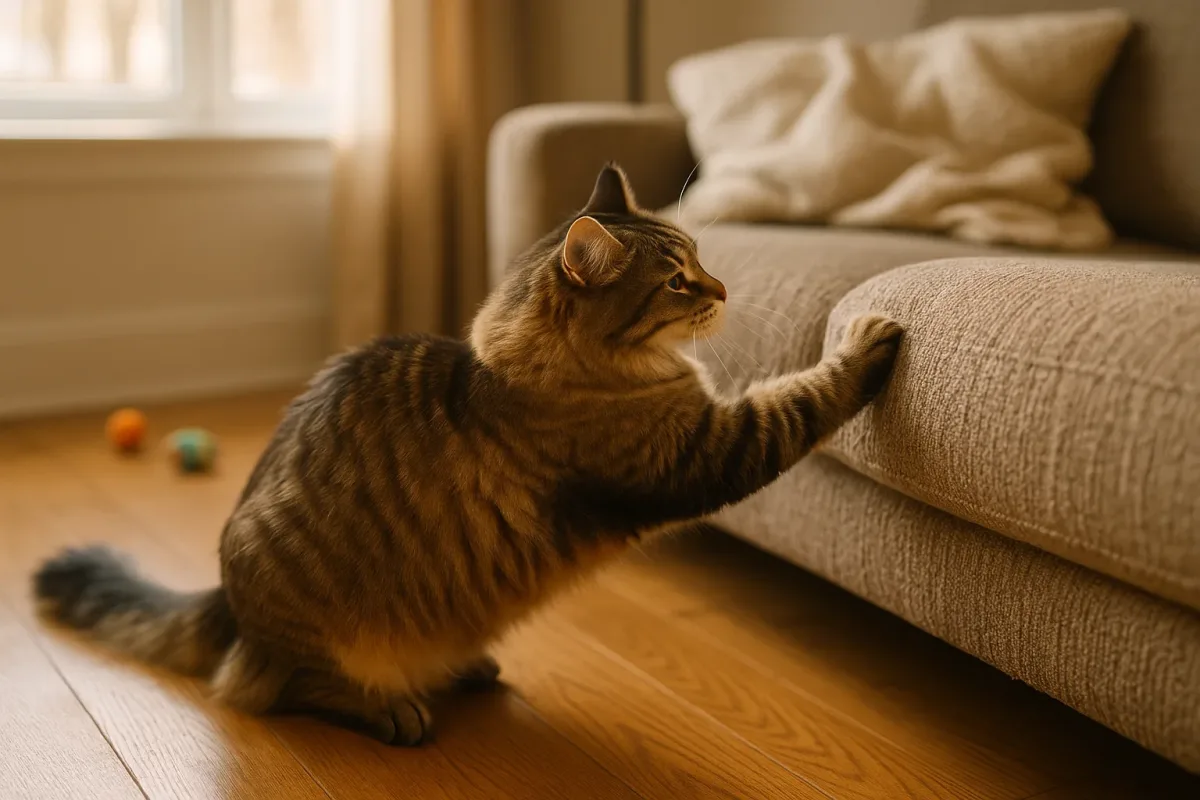
If you're a cat owner, you're probably familiar with the frustration of finding your furniture scratched. Understanding why cats engage in this behavior can help you manage it and maintain a peaceful household. Scratching is a natural behavior for cats, serving purposes like territory marking, claw maintenance, and physical exercise. By understanding these behaviors, you can find ways to protect your furniture while respecting your cat's needs.
Why Do Cats Scratch?
Natural Instincts Behind Scratching
Scratching is an instinctual behavior in cats, not just random destruction. It has deep roots in their instincts, with cats scratching to mark their territory, an inherited trait from their wild ancestors. This action leaves both visual and scent marks from glands in their paws, signaling ownership and boundaries to other animals. In multi-cat households, this territorial marking helps reduce conflicts and stress by establishing personal space.
Communication and Stress Relief
Scratching also acts as a form of communication and stress relief. When your cat feels anxious or excited, scratching helps them release energy and tension. It's their way of expressing emotions and staying comfortable in their environment. For example, during stressful times like when guests visit or during thunderstorms, cats may scratch more frequently as a coping mechanism to regain a sense of calm.
Physical and Mental Health Benefits
Scratching provides physical benefits by keeping claws healthy and sharp and shedding the outer nail sheath. It's also an excellent source of exercise, stretching muscles, and providing mental stimulation. Stretching through scratching helps maintain flexibility and muscle tone, which is especially beneficial for older cats who may be less active. This behavior is vital for their overall well-being, contributing to both physical fitness and mental health by keeping them engaged and active.
What Triggers Increased Scratching?
Common Triggers
Certain triggers can lead to increased scratching behavior. Environmental changes, such as moving to a new home, introducing new pets, or changes in routine, can heighten your cat's need to scratch. This is their way of coping with the unfamiliar or reasserting control over their space. Seasonal changes, like increased shedding in spring, can also lead to more scratching as cats work to remove excess fur.
Changes in Environment or Routine
Even small changes, like rearranging furniture or adding a new family member, can prompt more scratching. Cats thrive on routine, and disruptions can lead them to scratch more as they adjust or assert their presence. New furniture can also trigger scratching, as cats may feel the need to mark these new objects to integrate them into their established territory.
How to Protect Your Furniture
Furniture Protection Strategies
To safeguard your furniture, consider using covers or slipcovers on couches and chairs. Anti-scratch sprays can be effective by deterring cats with scents they find unpleasant yet harmless. Additionally, applying double-sided tape to furniture edges can discourage scratching since cats dislike the sticky sensation. Regularly trimming your cat's nails can also reduce scratching damage, as shorter nails are less likely to cause deep scratches.
Providing Alternatives
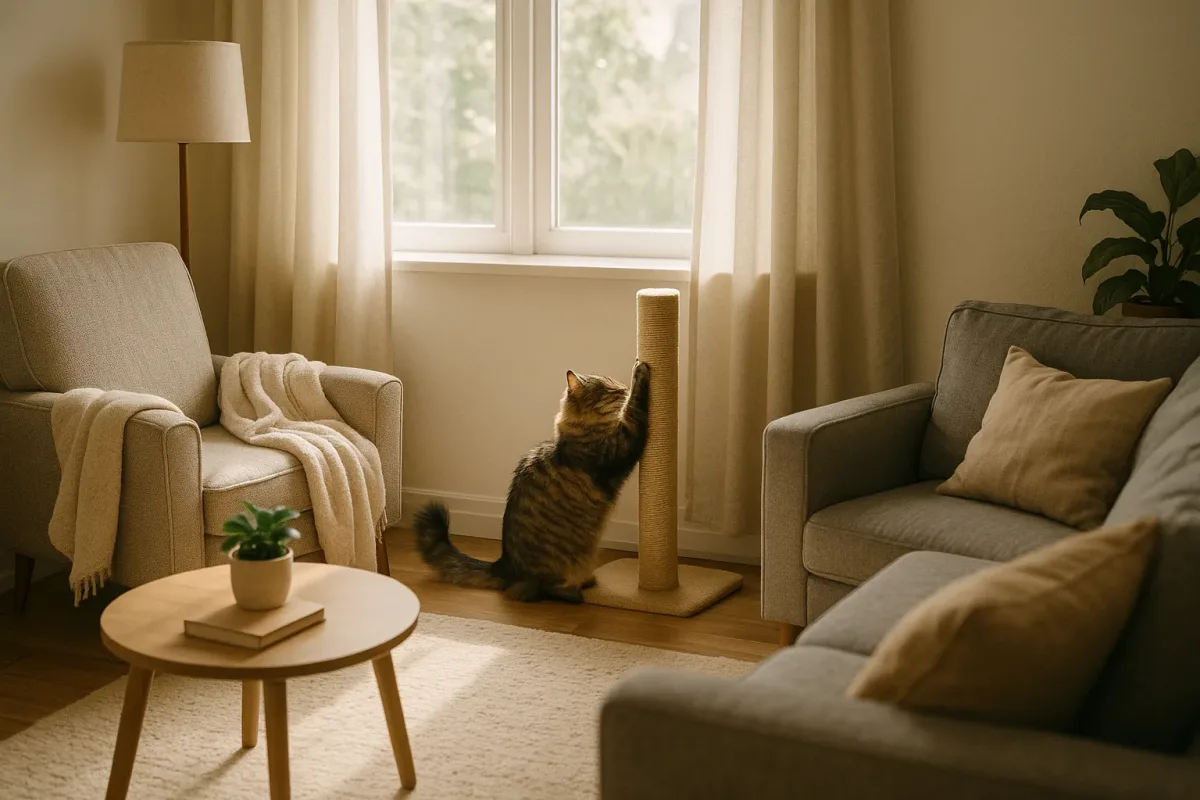
Offering designated scratching areas is crucial. Scratching posts or pads can redirect your cat's behavior from your furniture. Ensure these alternatives are stable and made from materials cats love, like sisal fabric or corrugated cardboard. Place them strategically near your cat’s favorite scratching spots to encourage use. You can also try different shapes and sizes of scratching posts, as some cats prefer vertical posts while others favor horizontal scratchers.
How to Redirect Scratching Habits
Behavior Modification Techniques
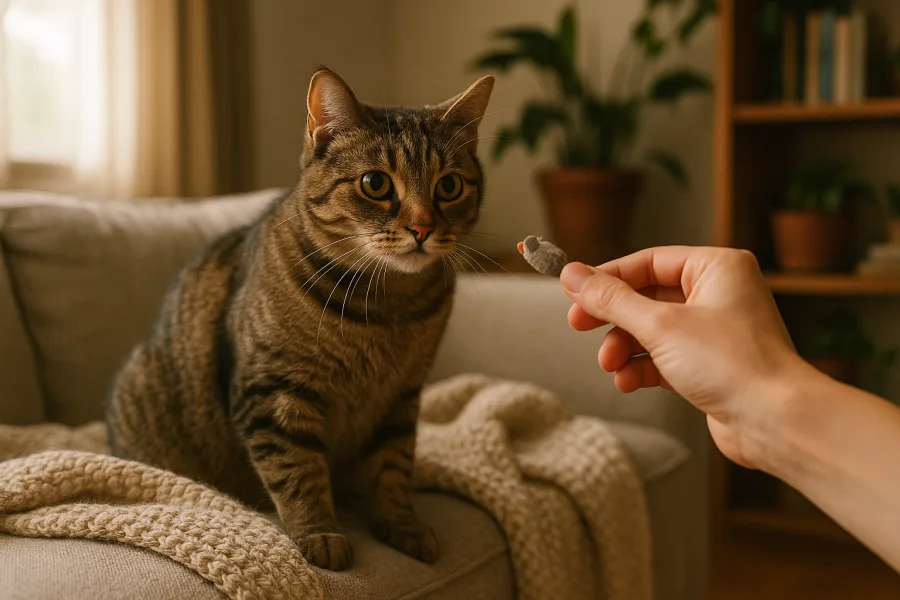
Gentle behavior modification can help redirect your cat’s scratching habits. Reward your cat with treats or affection when they use their scratching post. Consistently guide them away from furniture and towards their post, using toys or treats as incentives. Over time, your cat will associate the scratching post with positive experiences, making them more likely to use it.
Encouraging Use of Alternatives
Make the scratching post more appealing by sprinkling it with catnip or attaching toys. Regularly interact with your cat around the post to create positive associations. Patience and consistency are key; over time, your cat will learn to prefer these alternatives. Additionally, ensure the scratching post is in a central location where your cat spends a lot of time, increasing the likelihood of use.
When to Seek Professional Help
If your cat continues to scratch excessively despite trying these strategies, or if the behavior is accompanied by other concerning signs, consult a veterinarian or pet behaviorist. They can rule out medical issues and provide specialized advice tailored to your cat’s needs. Conditions like arthritis or skin problems might cause discomfort, prompting your cat to scratch more. A professional can help address these underlying issues effectively.
Conclusion: Key Takeaways
- Scratching is a natural behavior for marking territory and maintaining healthy claws.
- It provides essential physical and mental benefits to cats.
- Environmental changes can increase scratching, which can be redirected.
- Protect furniture using covers, sprays, and providing scratching alternatives.
- Consult a professional if scratching continues to be problematic despite interventions.
- Understanding and respecting your cat’s natural behaviors can lead to a more harmonious living environment.

I've shared my home with pets for over 40 years. No letters after my name, just four decades of paying close attention. I've read widely, watched everything I could find, and learned most of what I know from living alongside animals every day. This site is where I share what I've picked up along the way.
More by Nicole Dance →