Avoid These Common Mistakes in Puppy Leash Training
Learn about common mistakes in leash training your puppy and how to avoid them for a smoother training experience.
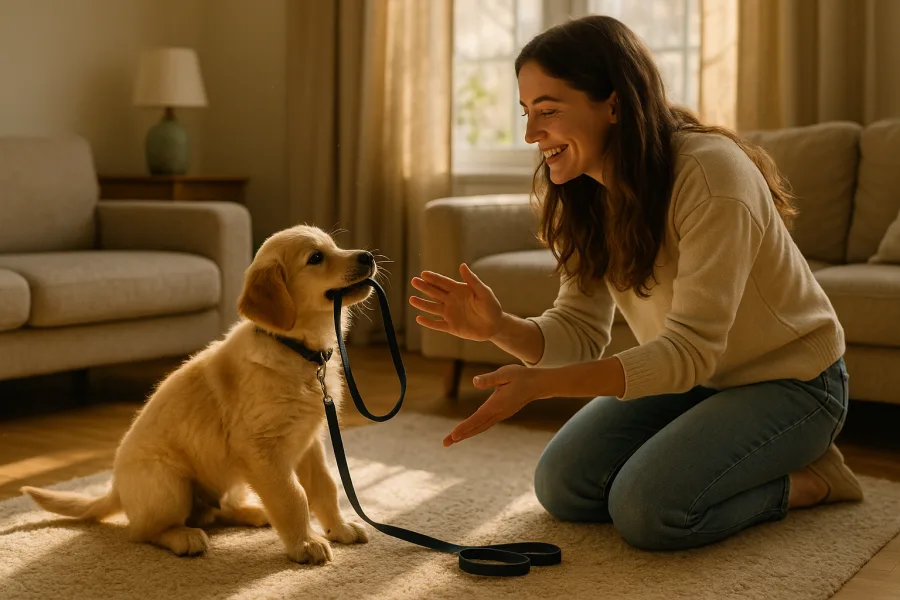
Leash training your puppy is a vital step to ensure walks and outings are enjoyable for both you and your furry friend. However, common mistakes can hinder progress and lead to frustration. Recognizing these pitfalls is essential for refining your training methods and effectively teaching your puppy to walk on a leash.
What Are the Most Common Mistakes in Leash Training a Puppy?
Leash training can be challenging, but you're not alone in facing these hurdles. Frequent mistakes include starting too late, inconsistent training, using inappropriate equipment, neglecting positive reinforcement, dealing with leash pulling, ignoring distractions, pushing your puppy too hard, and misinterpreting their body language. Addressing these issues can significantly enhance your training experience.
Why Is Timing Important in Leash Training?
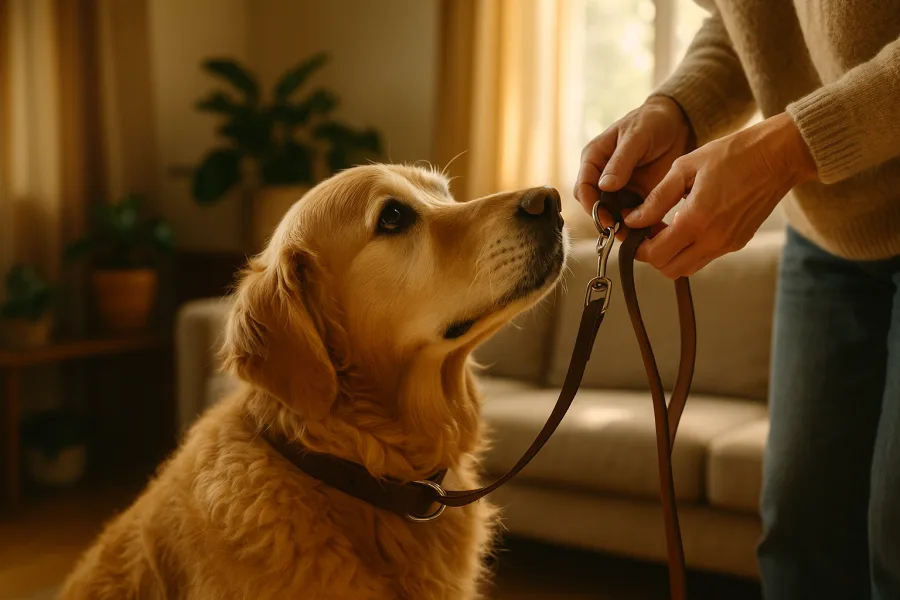
Starting leash training early is crucial. Puppies are like sponges, quickly absorbing new experiences. Introducing a leash gradually as soon as they arrive home helps them adjust without fear or resistance. When I first brought Bonnie home, her exuberant energy was both delightful and challenging. I began by letting her wear a lightweight leash indoors. Initially, she was puzzled, but soon enough, she was prancing around the house, barely noticing it. This early introduction prevented anxiety and fostered a positive association with the leash.
How Can Consistency Improve Leash Training?
Consistency is the linchpin of effective puppy training. Establish a routine by practicing leash skills at the same time each day, using the same commands and techniques to avoid confusion. A consistent cue like "let's go" clarifies expectations. Regular practice reinforces desired behavior and accelerates learning.
Consistency extends beyond commands and training times. It involves maintaining a calm demeanor and a steady approach to managing undesirable behavior. Allowing your puppy to pull on the leash without correction occasionally might confuse them about what’s acceptable. Consistency sets clear expectations, which is essential for your puppy's understanding and cooperation.
What Equipment Should I Use for Leash Training?
Choosing the right equipment is pivotal for successful leash training. Opt for a comfortable, well-fitting harness or collar and a lightweight, durable leash. Avoid retractable leashes as they can encourage pulling and complicate control. A fixed-length leash, typically 4 to 6 feet, offers better control and keeps your puppy safely distanced from hazards. If uncertain about the best choice, seek advice from a pet store expert or consult comprehensive training guides.
Ensure the harness or collar fits properly: not too tight to cause discomfort, nor too loose for slipping out. Regularly check and adjust the fit as your puppy grows to maintain comfort and safety. I learned this the hard way with Gypsy, who managed to slip out of a poorly fitted collar during an enthusiastic rabbit chase.
How Important Is Positive Reinforcement?
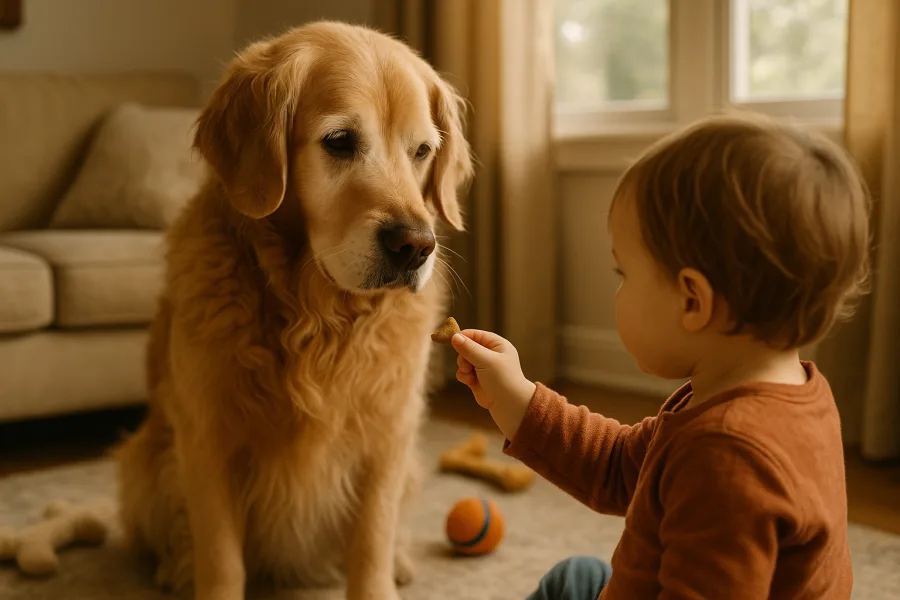
Positive reinforcement is a powerful tool in leash training. Reward your puppy with treats and praise when they exhibit desired behavior, like walking calmly by your side. This encourages them to repeat the behavior. Use small, easy-to-eat treats to avoid interrupting the walk. Timing is crucial: reward immediately after the desired action to reinforce the connection. Over time, your puppy will associate good behavior with positive outcomes.
Besides treats, verbal praise and petting can also be effective rewards. Every puppy is unique, so observe what motivates yours. Consistent positive reinforcement not only aids training but also strengthens your bond, making your puppy more eager to please and respond to your guidance.
How Do I Handle a Puppy Pulling on the Leash?
Puppies often pull on the leash out of excitement or curiosity. To tackle this, stop walking as soon as your puppy starts pulling. Stand still and wait for them to return to your side. Once they do, reward them with a treat and resume walking. This teaches them that pulling gets them nowhere, while staying close leads to treats and forward progress. Consistency and patience will yield results over time.
Another strategy is to change direction when your puppy pulls. Turning and walking the opposite way redirects their attention back to you, teaching them to focus and follow your lead. This method effectively reinforces that pulling does not achieve the desired outcome. Bonnie took some time to grasp this concept, but after a few weeks of consistent practice, our walks became much more enjoyable.
How Do I Manage Distractions During Leash Training?
Distractions can be a significant hurdle during leash training. Puppies are naturally curious, and the world is full of fascinating sights, sounds, and smells. To manage distractions, start in a quiet, familiar environment, gradually introducing more complex settings as your puppy becomes more comfortable on the leash.
Practice focus exercises, like teaching your puppy to look at you on command. Use treats or toys to hold their attention and reward them for maintaining focus. Over time, this helps your puppy learn to ignore distractions and pay attention to your cues, making walks more enjoyable for both of you.
What Are Common Misconceptions About Leash Training?
One common misconception is that puppies naturally know how to walk on a leash. In reality, it requires patience and consistent training. Another myth is that pulling on the leash will eventually stop on its own. Without proper guidance, pulling can become a reinforced habit. Lastly, some believe that a puppy should be physically corrected when they pull. Positive reinforcement and redirection are far more effective and humane methods.
Final Tips and Summary
- Start leash training early for smoother adaptation.
- Maintain consistency with commands and routines.
- Choose appropriate equipment for better control.
- Use positive reinforcement to encourage good behavior.
- Address pulling by stopping and waiting for compliance.
- Manage distractions by training in gradual stages.
Remember, every puppy is unique, and what works for one may not suit another. Pay attention to your puppy's reactions and adjust your training methods accordingly. With patience, persistence, and the right techniques, you can successfully teach your puppy to enjoy walking on a leash.

I've shared my home with pets for over 40 years. No letters after my name, just four decades of paying close attention. I've read widely, watched everything I could find, and learned most of what I know from living alongside animals every day. This site is where I share what I've picked up along the way.
More by Nicole Dance →