Avoid These Common Mistakes When Training Your Dog Not to Jump
Learn why dogs jump and how to avoid common training mistakes to curb this behavior effectively.
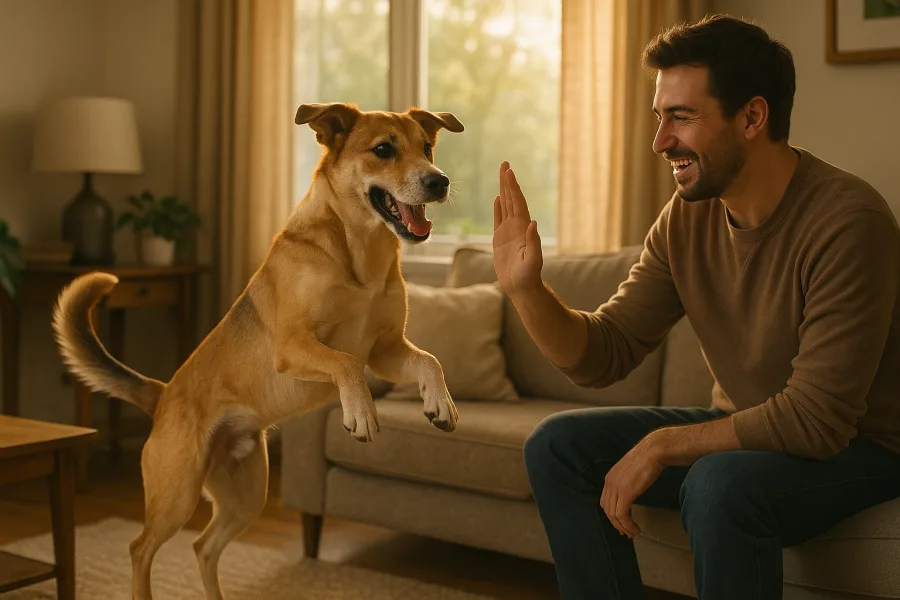
Training a dog not to jump involves recognizing the common missteps many pet owners make. Jumping can be both awkward and risky, especially when guests are present. The encouraging news is that with the right methods, you can successfully teach your dog to control this habit. This article will help you understand why dogs jump and how to apply effective strategies to curb this behavior.
Why Do Dogs Jump?
Jumping is a natural behavior for dogs. In the wild, puppies jump on their mothers to get food and attention. This instinct continues into their domestic lives, where dogs may jump to greet people or show excitement. However, it can also become a learned behavior. If a dog receives any kind of attention, positive or negative, when they jump, they may keep doing it to get a reaction.
Moreover, dogs might jump to establish dominance or as a response to anxiety. By jumping on people, they're trying to communicate or meet a need. Understanding why your dog jumps can help you tackle the behavior more effectively.
What Are the Most Common Mistakes?
Immediate Response Techniques
A major mistake dog owners make is giving their dog attention when it jumps. Even negative attention, like yelling or pushing the dog away, can reinforce the behavior. Dogs often see attention as a reward, so it's important to stay calm and ignore the jumping. Instead, turn away or step back, avoiding eye contact until your dog calms down. Consistency is key; even occasional reinforcement can keep the behavior going.
Inconsistencies in Training
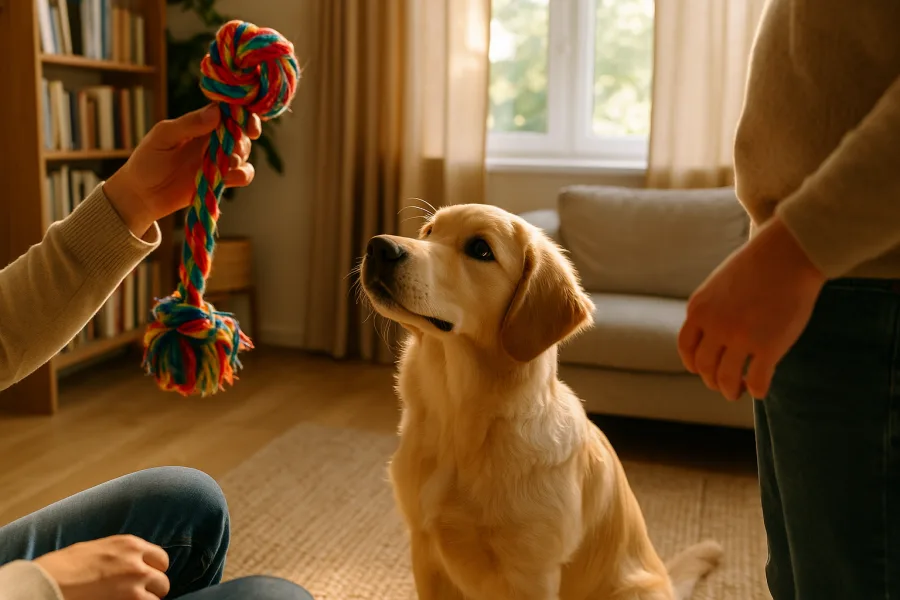
Consistency is crucial in training. If one person allows the dog to jump while another discourages it, the dog gets mixed signals. It's important that everyone who interacts with the dog follows the same rules. This includes visitors, who should also be informed about your approach. Consistent training creates a stable environment where your dog knows what's expected, making it easier for them to learn and stick to desired behaviors.
Ignoring the Root Cause
Another frequent mistake is not addressing the root cause of jumping. Dogs may jump due to high energy, anxiety, or lack of training in other areas. It's crucial to understand what triggers your dog’s jumping and address these issues directly. This might involve increasing exercise, offering mental stimulation, or dealing with anxiety problems.
How to Train Effectively
Identify Triggers and Manage Them
Recognizing the triggers that make your dog jump is essential. Excitement when you return home, anxiety, or overstimulation can all lead to jumping. Observing your dog and noting these triggers can help you manage situations proactively and develop a calm approach. For example, if your dog jumps when you get home, try entering quietly and waiting a few moments before acknowledging them. This helps lessen initial excitement.
Implement Positive Reinforcement
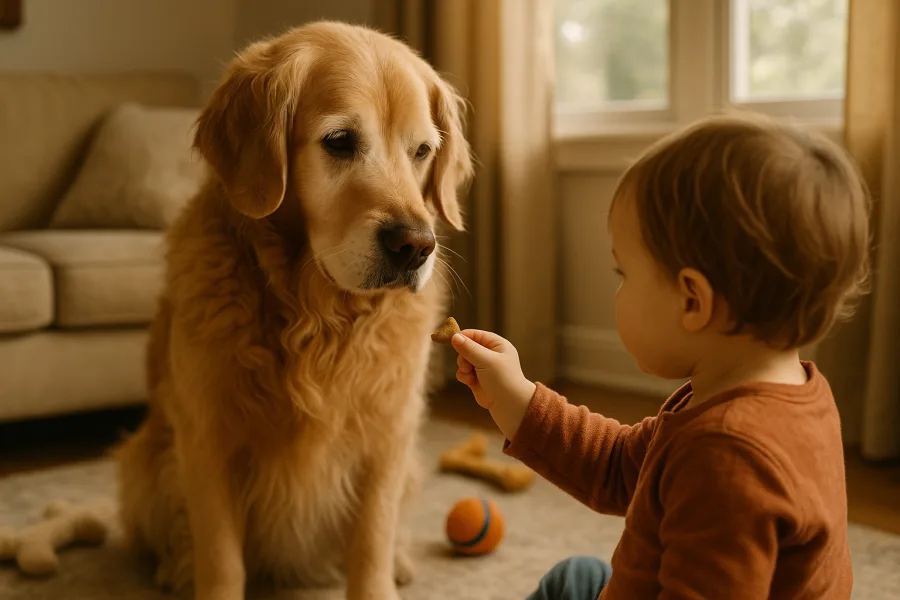
Positive reinforcement is a powerful tool in dog training. Reward calm behavior with treats and praise. When your dog stays calm, especially in situations that would usually cause jumping, give them a treat and verbal praise. This teaches your dog that calm behavior leads to positive outcomes. It's important to reward the behavior you want to see more of, rather than focusing on punishing unwanted behavior.
Teach Alternative Behaviors
Replacing jumping with more acceptable behavior can be very effective. Teaching your dog to "sit" or "stay" instead of jumping can channel their energy into something positive. Practice these commands regularly, rewarding your dog when they comply, especially in situations where they would normally jump. Consistent practice and positive reinforcement can help solidify these behaviors over time.
For more detailed guidance on addressing jumping and other behavioral issues, check out the comprehensive resources available here.
When to Seek Professional Help
If your dog's jumping is particularly challenging, or if you feel overwhelmed, it might be time to consult a professional trainer or behaviorist. These experts can offer personalized strategies tailored to your dog’s specific needs and behavior patterns. Consider seeking professional help if your dog shows aggression, persistent jumping despite consistent training, or if the behavior poses a safety risk. Professional trainers can provide insights and techniques that you might not have considered, making training smoother and more effective.
Common Misconceptions
There are several misconceptions about dog training, such as the idea that some dogs cannot be trained not to jump. This isn't true. While some dogs might need more time and effort, all dogs can learn with the right techniques and patience. Another myth is that physical punishment will stop jumping. This approach is harmful and often counterproductive, leading to fear instead of understanding. It's important to approach training with a mindset focused on building trust and understanding between you and your dog.
Safety Considerations
Jumping can be dangerous for both dogs and people. A large dog jumping on a child or an elderly person can cause injuries, and dogs themselves can get hurt if they jump onto sharp or unstable surfaces. Training your dog to stop jumping is not just about convenience; it's a safety measure for everyone involved. Ensuring a safe environment for your dog to express their energy and excitement without jumping is crucial, such as providing appropriate outlets for play and exercise.
Quick Summary
- Ignore jumping and avoid giving attention as a response.
- Ensure consistent training through all household members and visitors.
- Identify triggers for jumping and manage these situations.
- Use positive reinforcement by rewarding calm behavior.
- Teach alternative behaviors like "sit" and "stay."
- Seek professional help if needed, especially in challenging cases.
Training your dog not to jump requires patience and consistency. By understanding the reasons behind the behavior and implementing effective training techniques, you can help your dog learn to greet people calmly and safely. Remember that each dog is unique and may require different strategies and timelines to overcome jumping. With dedication and the right approach, success is achievable.

I've shared my home with pets for over 40 years. No letters after my name, just four decades of paying close attention. I've read widely, watched everything I could find, and learned most of what I know from living alongside animals every day. This site is where I share what I've picked up along the way.
More by Nicole Dance →