Stop Your Dog from Jumping on Guests: Causes & Training Solutions
Discover why dogs jump on guests and explore effective strategies and training solutions to prevent this behavior for a more welcoming home.
Welcoming guests into your home should be enjoyable for everyone. However, if your dog tends to jump on visitors, it can create awkward or uncomfortable situations. Understanding why this behavior happens and learning how to effectively manage it is essential for a peaceful home environment. This guide offers practical strategies to help stop your dog from jumping on guests, allowing you to create a more welcoming atmosphere.
Immediate Strategies: What to Do When Your Dog Jumps
When your dog starts jumping on guests, it's important to act promptly. One effective method is to turn your back and ignore your dog, removing any attention they might be seeking. Instruct your guests to do the same. This lack of engagement helps convey that jumping is not a way to gain attention. By ignoring your dog’s jumping behavior, you send a clear message that it won't lead to interaction, thus discouraging the behavior.
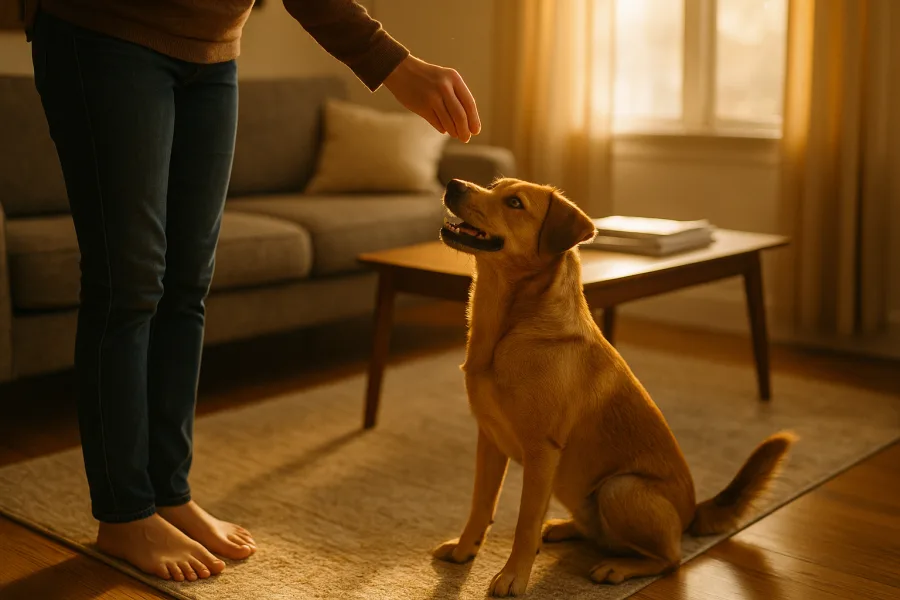
Another strategy is to redirect your dog's energy. Ask them to sit or perform another command they know well. Reward them with a treat or praise once they comply, reinforcing the idea that calm behavior is more rewarding than jumping. This approach not only distracts them but also reinforces obedience, gradually replacing the unwanted behavior with a positive one. Practicing these commands consistently in different settings can help your dog apply this behavior across various situations, not just when guests arrive.
Why Does This Happen? Understanding the Causes
To address your dog's jumping habit, it's crucial to understand why they do it. Dogs often jump on people out of excitement, wanting to greet them at eye level. This behavior is instinctual, as dogs naturally greet each other face-to-face. They may also jump to seek attention, especially if they've been rewarded for it in the past, even inadvertently. For instance, if a dog jumps and is then petted or spoken to, they learn that jumping leads to attention, reinforcing the habit. See our dedicated guide to Does My Dog Jump on Guests? Understanding and Solutions for a more in-depth answer.
Some dogs jump due to a lack of training or boundaries. Establishing clear guidelines and consistent practices can significantly reduce this behavior. Remember, dogs, like humans, thrive on structure and predictability. Without clear boundaries, they may resort to behaviors that have previously gained them attention or rewards, even unintentionally. Understanding the underlying cause of your dog's jumping can better inform the strategies you choose to implement.
Training Solutions: How to Stop Your Dog from Jumping
Training your dog not to jump on guests requires patience and consistency. Here are some effective methods to try:
Consistency is Key
Consistency is vital in training your dog. Ensure everyone in your household uses the same commands and responses to jumping. Mixed signals can confuse your dog and slow down their learning process. A unified approach helps your dog quickly understand what is expected, preventing uncertainty in different situations. If one person allows jumping while another does not, it will take longer for your dog to learn the correct behavior.
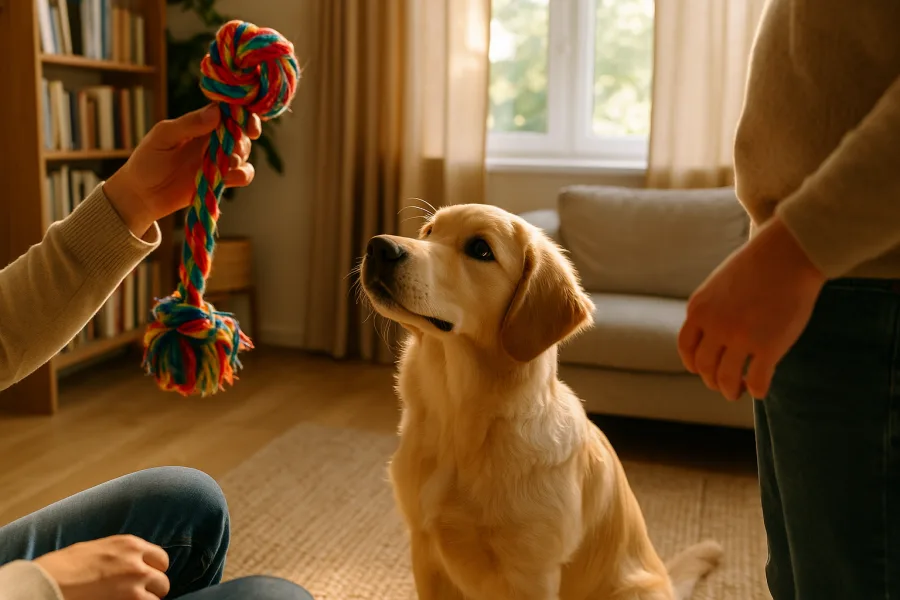
Begin by teaching your dog the "sit" command and reinforce it regularly. Practice having someone approach your dog while they’re sitting and reward them for staying seated. This helps them associate sitting calmly with positive outcomes. Over time, increase the level of distraction by introducing more people or creating scenarios that mimic real guest arrivals. This gradual increase in difficulty helps solidify the behavior in various contexts.
Positive Reinforcement
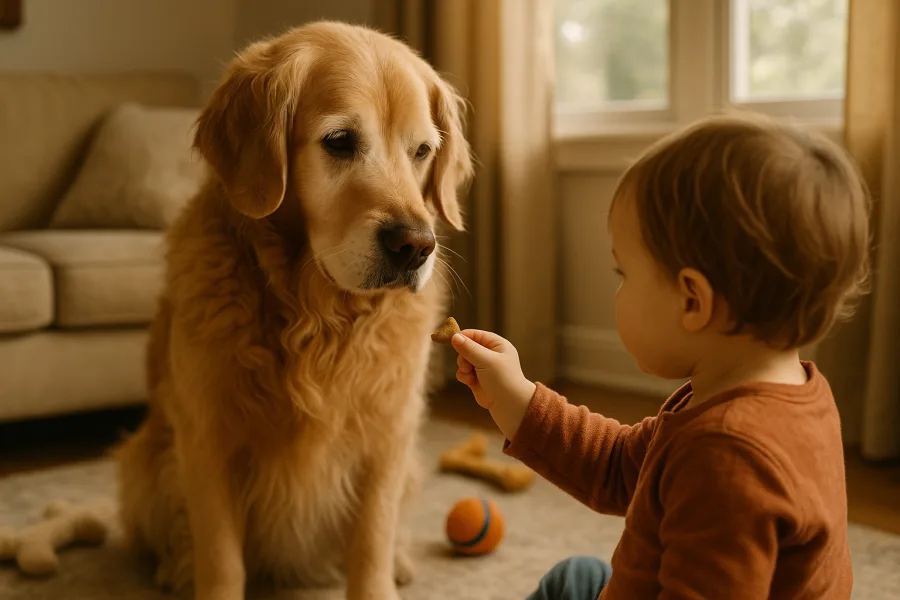
Positive reinforcement is one of the most effective ways to encourage desired behavior. Whenever your dog greets a guest calmly, reward them with treats, praise, or affection. This helps them understand that calm greetings lead to positive attention. Positive reinforcement not only encourages your dog to repeat good behavior but also strengthens your bond, making training more enjoyable for both of you.
Avoid punishing your dog for jumping, as this can create anxiety or fear, potentially worsening the problem. Instead, focus on rewarding the behavior you want to see more of. Punishment can lead to confusion and stress, causing other behavioral issues. By clearly highlighting which behaviors are desirable, you create a positive learning environment.
Prevention: Setting Your Dog and Guests Up for Success
Preventing your dog from jumping on guests starts with preparation. Here are a few strategies to consider:
Preparing Your Home
Arrange your home to minimize opportunities for jumping. Use gates or barriers to create a greeting area where you can manage your dog's interactions with guests. This controlled environment allows you to guide your dog's behavior and ensures they meet guests calmly. By controlling the space, you can gradually introduce your dog to guests, allowing them to acclimatize to new people comfortably.
Consider designating a specific spot, like a mat or bed, where your dog can go when guests arrive. Train your dog to go to this spot on command and reward them for staying there calmly. This creates a positive association with their designated area and can be a useful tool in managing their excitement levels.
Coaching Your Guests
Inform your guests in advance about how to interact with your dog. Ask them to ignore your dog when they first enter and to engage only once your dog is calm and seated. This consistent approach from everyone helps reinforce the training. By ensuring everyone follows the same protocol, you reduce the chances of mixed signals and reinforce the behavior you are working on with your dog.
Educating your guests on the importance of these rules helps them understand their role in the training process. Encourage them to offer treats or praise once your dog remains calm, reinforcing the idea that calm behavior leads to positive interactions.
Avoiding Common Mistakes
When training your dog, certain mistakes can undermine your efforts. One common error is inadvertently rewarding jumping by giving attention, even if it's negative. Ensure that you and your guests do not engage with your dog when they jump. Even scolding or pushing a dog away can be perceived as attention, inadvertently reinforcing the behavior. Instead, remain calm and wait for your dog to settle before offering attention. Our article on Avoid These Common Mistakes When Training Your Dog Not to goes into more detail on this specific point.
Another mistake is being inconsistent with training. All household members must follow the same rules and commands to avoid confusing the dog. Inconsistencies can stall progress and make it more difficult for your dog to understand what is expected of them. Establishing a household training plan can help ensure everyone is on the same page and working toward the same goals.
Long-term Solutions for Lasting Behavior Change
For lasting behavior change, it's essential to maintain a consistent routine and continue reinforcing positive behavior over time. Regularly practice greeting scenarios and reward calm behavior to solidify new habits. Incorporate training into daily routines, using opportunities like walks or playtime to reinforce desired behaviors. Consistency in all areas of your dog's life helps them understand expectations across various situations.
Consider integrating obedience training into your routine to reinforce discipline and improve your dog's overall behavior. Regular training sessions can keep your dog mentally stimulated, reducing the likelihood of unwanted behaviors. Obedience training not only addresses specific issues like jumping but also enhances your dog's overall responsiveness and ability to learn. As your dog masters basic commands, you can introduce new challenges to keep them engaged and prevent boredom, which can lead to unwanted behaviors.
When to Seek Professional Help
If your dog’s jumping behavior persists despite consistent training efforts, it may be time to consult a professional dog trainer. Signs that professional help might be needed include aggressive jumping, persistent disregard for commands, or if the behavior poses a risk to guests. Professional trainers can provide insights that may not be apparent and offer tailored programs to address specific issues. See our dedicated guide to Train Your Dog Not to Jump on People: Effective Strategies for a more in-depth answer.
A professional can provide personalized training plans and insights tailored specifically to your dog’s needs, helping you address underlying issues effectively. Additionally, they can help identify any triggers or environmental factors contributing to the behavior, offering strategies to address these issues. Professional training can be a valuable investment in ensuring long-term, positive behavior changes.
Conclusion
Addressing your dog's habit of jumping on guests requires understanding, patience, and consistent training. By employing immediate strategies, understanding the causes, and implementing long-term solutions, you can effectively manage and reduce this behavior. Remember that each dog is unique, and persistent effort can lead to a more harmonious home environment. As you work with your dog, celebrate small victories and remain patient, as behavior change takes time and dedication.
Quick Summary
- Act quickly when your dog jumps by ignoring them and redirecting their energy.
- Understand that excitement and attention-seeking are common causes of jumping.
- Use consistent commands and positive reinforcement to train desired behavior.
- Prepare your home and inform guests to help prevent jumping incidents.
- Avoid rewarding jumping, even with negative attention, and remain consistent.
- Regular practice and reinforcement are key to long-term behavior change.
- Consider professional help if jumping persists or becomes aggressive.

I've shared my home with pets for over 40 years. No letters after my name, just four decades of paying close attention. I've read widely, watched everything I could find, and learned most of what I know from living alongside animals every day. This site is where I share what I've picked up along the way.
More by Nicole Dance →