Best Ways to Train Your Dog's Memory: Tips and Techniques
Learn effective strategies to train your dog's memory, from simple commands to engaging games, using repetition, consistency, and positive reinforcement.
Training a dog's memory can be a rewarding experience for both you and your furry friend. Whether you're teaching your pup basic commands or aiming to enhance their recall abilities, there are effective strategies to strengthen their memory. From my experience with dogs like Bonnie, my lively Jack Russell cross, I've learned that understanding each dog's unique personality can greatly enhance training success.
What Are the Best Ways to Train a Dog's Memory?
Starting with simple commands is essential when training a dog's memory. These basics lay the groundwork for more complex tasks. Repetition and consistency are crucial, as they reinforce the learning process. By incorporating play and rewards, you make training enjoyable and effective, helping your dog associate learning with positive experiences. Memory games add an extra layer of challenge, improving recall through engaging exercises. Recognizing your dog’s limits and using environmental cues can further support memory training. Above all, patience and positive reinforcement are key, creating a nurturing learning environment. Regularly monitoring progress and adjusting techniques as needed will ensure ongoing improvement.
Why Are Simple Commands Essential?
Simple commands like "sit," "stay," and "come" form the foundation of a dog's training. These commands are easy for dogs to learn and boost their confidence as they respond successfully. When I first adopted Bonnie, I focused on these basics to establish a solid foundation. This approach allowed me to understand her learning style and build a rapport, making future training sessions more effective.
Mastering these commands gives your dog a sense of accomplishment, encouraging further engagement in training. A solid grasp of simple commands can significantly aid memory retention, as your dog associates specific words with actions. For instance, when Bonnie mastered "sit," it became the stepping stone for more complex actions like "stay" and "wait," allowing her to build on what she had already learned.
How Do Repetition and Consistency Help?
Repetition and consistency are at the core of effective dog training. By practicing commands regularly in the same way, your dog starts to internalize these actions. It's like building muscle memory. With Bonnie, consistent daily sessions were vital in helping her remember and respond to commands reliably.
Consistency involves maintaining a regular training schedule, using the same verbal cues, and rewarding behaviors consistently. This predictability helps your dog understand what is expected and reinforces their learning. Over time, this repetition strengthens their memory, making commands feel like second nature. In my experience, keeping training sessions short but frequent worked wonders. Just like us, dogs can tire, and shorter sessions help maintain their focus and enthusiasm.
What Role Do Play and Rewards Play in Memory Training?
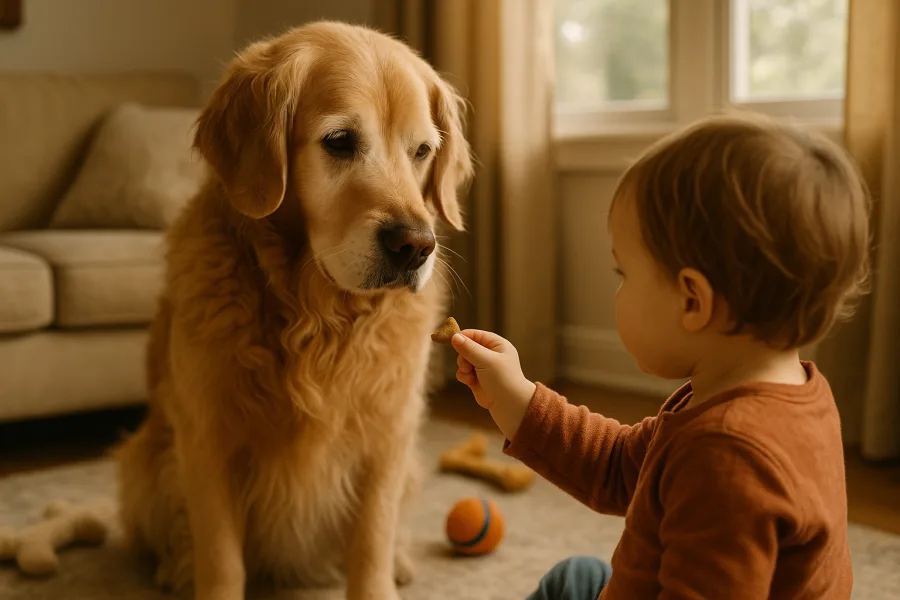
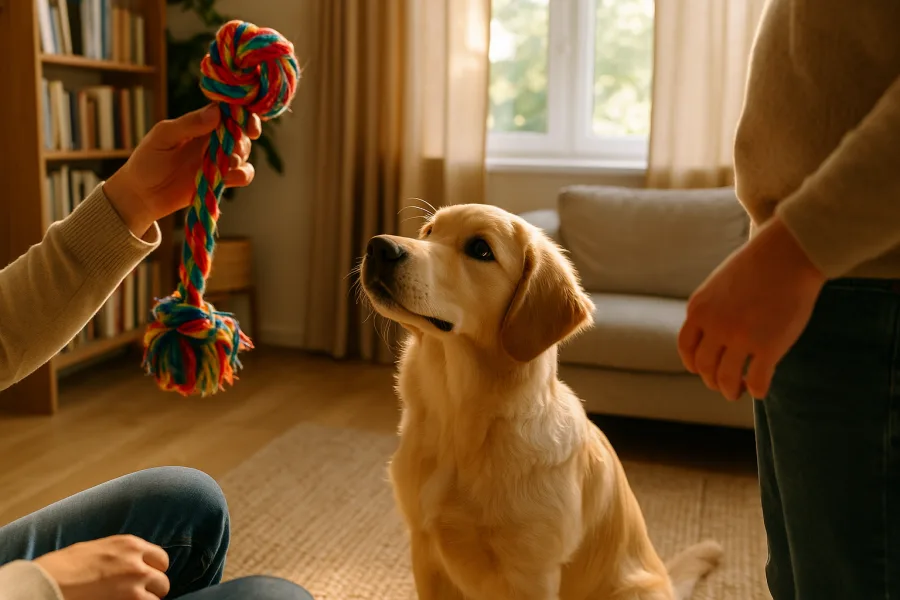
Incorporating play and rewards into memory training makes the process enjoyable and more effective. Dogs learn best when they're having fun, and using toys or treats as rewards can motivate them to focus and remember commands. When training Bonnie, I often used her favorite ball as a reward, which kept her engaged and eager to learn.
Positive reinforcement is a powerful training tool. When your dog links a successful action with a reward, they're more likely to repeat the behavior. This connection between action and reward strengthens their memory, encouraging them to remember and perform tasks willingly. It's important to choose rewards that are particularly appealing to your dog. For Bonnie, her favorite toy was more motivating than treats, while other dogs might respond better to a tasty snack.
How Can Memory Games Improve Recall?
Memory games are a fantastic way to challenge and enhance your dog's recall abilities. These games require your dog to remember commands, locations, or sequences, boosting their cognitive function. Games like "find the treat," where you hide a treat and encourage your dog to find it, or the "shell game," where you hide a treat under one of several cups and shuffle them, are effective in sharpening memory.
These activities not only test your dog's memory but also provide a fun and stimulating way to bond. Regularly playing memory games can lead to noticeable improvements in your dog's recall abilities, making them more responsive to commands. In my home, I found that Bonnie especially enjoyed hide-and-seek games, which tested both her memory and problem-solving skills. These games can be tailored to your dog's preferences, ensuring they remain engaged and challenged.
Understanding Your Dog's Limits and Environmental Cues
Every dog is unique, and understanding your dog's individual limits is crucial for effective memory training. While some dogs learn quickly, others may need more time and patience. It's important to recognize when your dog is tired or frustrated and adjust your approach accordingly. With Bonnie, I found that she thrived with short, varied sessions that prevented boredom and kept her interest high.
Environmental cues can also play a significant role in training. Dogs often learn better in familiar, comfortable settings where they can focus without distractions. Gradually introducing new environments as your dog becomes more confident can help generalize the learned commands to different situations. This adaptability can improve their memory and response in varied contexts.
Key Takeaways
- Start with simple commands to build a strong foundation.
- Use repetition and consistency to reinforce memory.
- Incorporate play and rewards to make training enjoyable.
- Introduce memory games to challenge and improve recall.
- Understand your dog's limits and use environmental cues.
- Practice patience and maintain positive reinforcement.
Training your dog's memory is a journey that requires patience, understanding, and the willingness to adapt. By tailoring your approach to your dog's personality and needs, you can create a learning environment that promotes memory retention and strengthens your bond. For a deeper understanding of how dogs think and learn, you might find our full guide on dog cognition helpful.

I've shared my home with pets for over 40 years. No letters after my name, just four decades of paying close attention. I've read widely, watched everything I could find, and learned most of what I know from living alongside animals every day. This site is where I share what I've picked up along the way.
More by Nicole Dance →