How to Train Your Older Dog to Walk on a Leash
Discover how to leash train an older dog with patience, using the right tools and techniques to ensure a comfortable and enjoyable walking experience.
How Can I Start Leash Training My Older Dog?
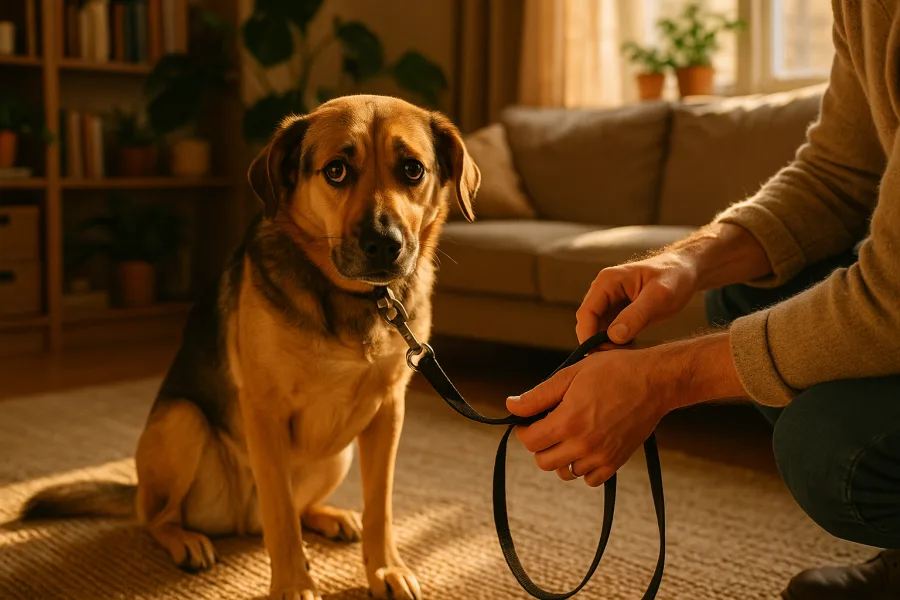
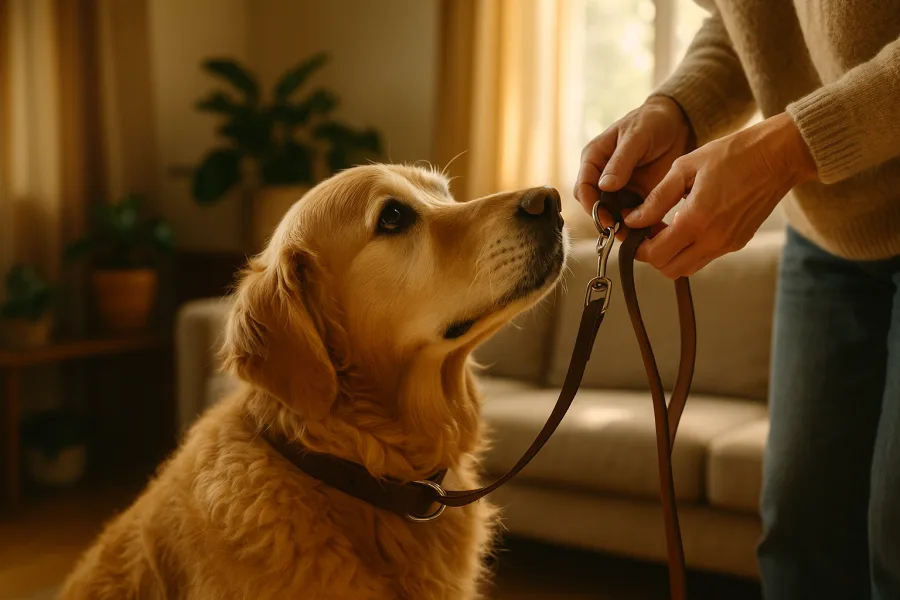
Leash training an older dog may seem overwhelming initially, but with the right approach, it's completely manageable. Begin by familiarizing your dog with the leash and harness indoors. Allow them to sniff and explore the gear without putting it on right away. Once they're comfortable, attach the leash and let them drag it around under your supervision to get used to its feel. This initial familiarity is vital since older dogs might be cautious about new objects, especially if they're unfamiliar with them.
Next, practice walking around the house with the leash on, rewarding them with treats and praise. If they pull or resist, stop walking and only proceed when they relax the tension on the leash. This teaches them that a loose leash brings progress and rewards. Remember, older dogs can adapt well when treated with patience and understanding. The key is to make these indoor sessions fun and stress-free, setting a positive tone for future outdoor walks. Our in-depth guide to to Leash Train a Dog That's Scared of the Leash covers all the related factors worth knowing.
What Should I Know About Older Dogs' Needs?
Older dogs have different needs compared to younger pups. They generally have lower energy levels and may tire more easily. It's important to respect their pace and not push them too hard. Older dogs might also have established habits that need gentle correction, and their adaptability can vary. Some might embrace new experiences eagerly, while others need more time to adjust. Recognizing this variability is crucial when planning training sessions.
With Gypsy, my Jack Russell who lived to 16, I found that slowing down our walks and letting her sniff and explore at her own pace was really beneficial. It wasn't just about exercise; it was about bonding and giving her a chance to enjoy the world around her. These moments of exploration were vital in keeping her interested and ensuring she felt comfortable and happy during our walks.
What Tools Do I Need for Leash Training?
Choosing the right tools for leash training an older dog is essential for their comfort and safety. Opt for a padded harness that distributes pressure evenly across the chest instead of a collar, which can strain the neck. A standard 6-foot leash provides enough freedom without losing control. Avoid retractable leashes as they can be harder to manage and may encourage pulling. A well-fitted harness paired with an appropriate leash can greatly enhance your dog's walking experience. If you want the full picture, our guide to is the Best Age to Start Leash Training Your Puppy? covers everything in depth.
Ensure the harness fits snugly but not too tight. You should be able to slip two fingers between the harness and your dog's body. This setup will make walks more comfortable and enjoyable for your older dog. Additionally, regularly check for any signs of chafing or discomfort, as these can deter your dog from enjoying walks.
How to Use Positive Reinforcement Effectively?
Positive reinforcement is a powerful tool in training. Reward your dog with treats, praise, or affection whenever they exhibit good behavior on the leash. For instance, if they walk beside you without pulling, offer a treat and some encouraging words. This helps them associate good behavior with positive outcomes. The immediacy of the reward is crucial for reinforcing the desired behavior.
When training Roxy, my Maltese Shih-tzu cross, I heavily relied on treats and words of encouragement. She quickly learned that staying close to me on walks meant more treats, and over time, the treats were replaced with just praise. This method fosters a happy and cooperative walking experience. It's also important to gradually shift from treats to verbal praise, helping your dog understand that good behavior itself is rewarding.
How Do I Handle Challenges Like Stubbornness or Anxiety?
Older dogs can be stubborn or anxious, especially if they haven't been leash-trained before. If your dog pulls on the leash, stop and wait for them to calm down before continuing. If they seem anxious, try shorter, more frequent walks to gradually build their confidence. This gradual approach helps them slowly get accustomed to the new routine without feeling overwhelmed.
Some dogs may benefit from a more structured approach to overcoming stubbornness. I found it helpful to gradually increase the complexity of walks with Gypsy, starting with quiet, familiar routes before introducing new environments. For more tips on managing a stubborn dog, you might find our guide on mastering leash training useful. Consistent patience and gradual exposure are key elements in overcoming these challenges.
Why Are Consistency and Routine Important?
Consistency and routine are key to successful leash training. Try to walk your dog at the same times each day to create a sense of predictability. This routine helps older dogs feel secure and understand what to expect, which can reduce anxiety and improve compliance. Regular routines benefit not only the dog's training but also their overall well-being.
In my years with dogs, I've seen that a consistent schedule not only improves behavior but also strengthens the bond between you and your pet. With Gypsy, establishing a daily ritual of walks brought us closer and provided her with a comforting structure. This routine became a cherished part of our day, reinforcing our connection and ensuring she felt secure and loved.
Summary: Key Takeaways for Training Your Older Dog
- Start leash training indoors and gradually move outside.
- Use a comfortable, padded harness and a standard 6-foot leash.
- Employ positive reinforcement with treats and praise.
- Address stubbornness and anxiety with patience and gradual exposure.
- Maintain a consistent walking routine to foster security.
Training an older dog to walk on a leash requires patience, the right tools, and understanding their unique needs. By focusing on these aspects, you can transform walks into a positive experience for both you and your furry friend. Remember, each dog is unique, and with time, even the most set-in-their-ways canine can learn to enjoy a leisurely stroll. For more comprehensive advice, check out our guide on leash training your dog. A well-planned training approach can lead to rewarding walks that both you and your dog look forward to.

I've shared my home with pets for over 40 years. No letters after my name, just four decades of paying close attention. I've read widely, watched everything I could find, and learned most of what I know from living alongside animals every day. This site is where I share what I've picked up along the way.
More by Nicole Dance →