How Does a Dog's Age Affect Its Learning Ability?
Explore how a dog's learning ability changes with age and get tips for training puppies, adolescents, adults, and seniors effectively.
Having been a dog owner for many years, I've discovered that understanding how age influences a dog's learning ability can greatly enhance both training and your overall relationship with your furry friend. As dogs age, their learning abilities do change, but the encouraging news is that they can continue to learn new things throughout their lives. The secret lies in adjusting your training methods and expectations to match their age-related capabilities.
How Does a Dog's Age Affect Its Learning Ability?
Just like people, dogs' learning abilities vary with age. Puppies, adolescents, adults, and senior dogs each have distinctive learning traits that require different approaches. Puppies learn quickly but have short attention spans. Adolescents have a greater capacity for learning but can be easily distracted. Adult dogs present a balanced learning ability, making them perfect for complex training. Senior dogs may take longer to learn new tricks, but with patience and encouragement, they can still pick up new skills. Recognizing these differences allows you to tailor your training approach effectively.
What Are the Learning Characteristics of Puppies?
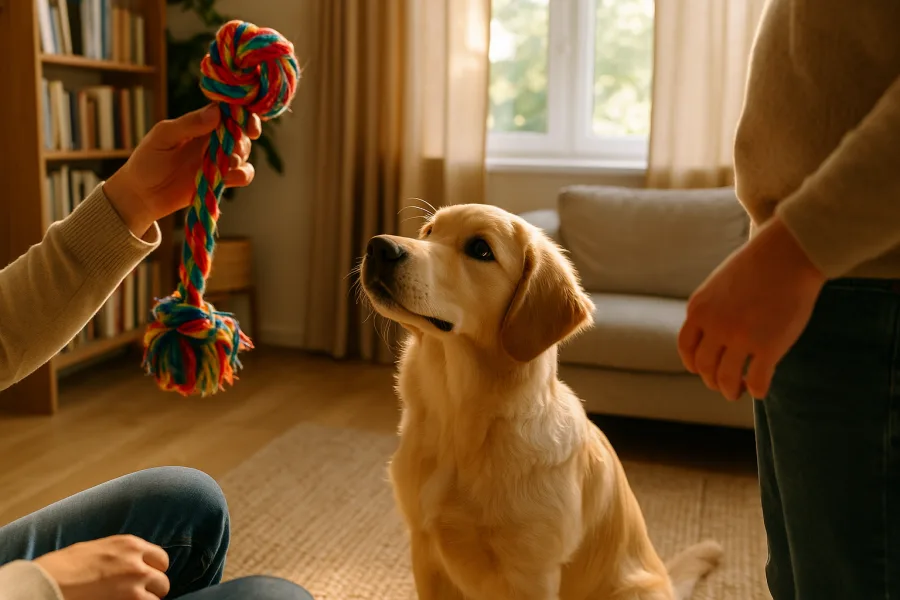
Puppies, like my beloved Roxy when she was young, are famous for their incredible ability to absorb information quickly, even though their attention spans are quite short. This stage is crucial for basic obedience training and socializing. Short, engaging sessions filled with positive reinforcement work best to keep a puppy's attention focused. Consistency is crucial, as frequent exposure to commands and situations helps solidify learning during this impressionable phase. Introducing different people, environments, and other animals can also help puppies adapt to new experiences and develop their social skills.
How Does Learning Change in Adolescent Dogs?
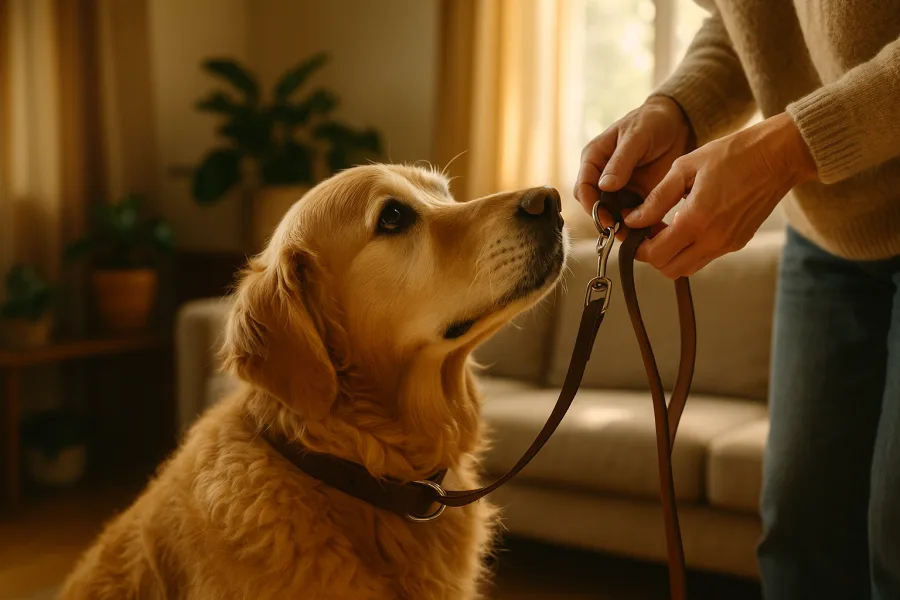
Adolescent dogs, typically aged between six months to two years, are still honing their learning abilities. I recall how my dog Bonnie was full of beans during this stage, eager to learn but often distracted by the slightest thing. While their capacity for learning is greater, their tendency to get distracted means they benefit from more structured training environments. It's an excellent time to introduce more advanced commands and activities, always reinforcing learning with positive feedback. Interactive toys and games can help channel their energy, improving focus during training sessions.
What to Expect from Adult Dogs?
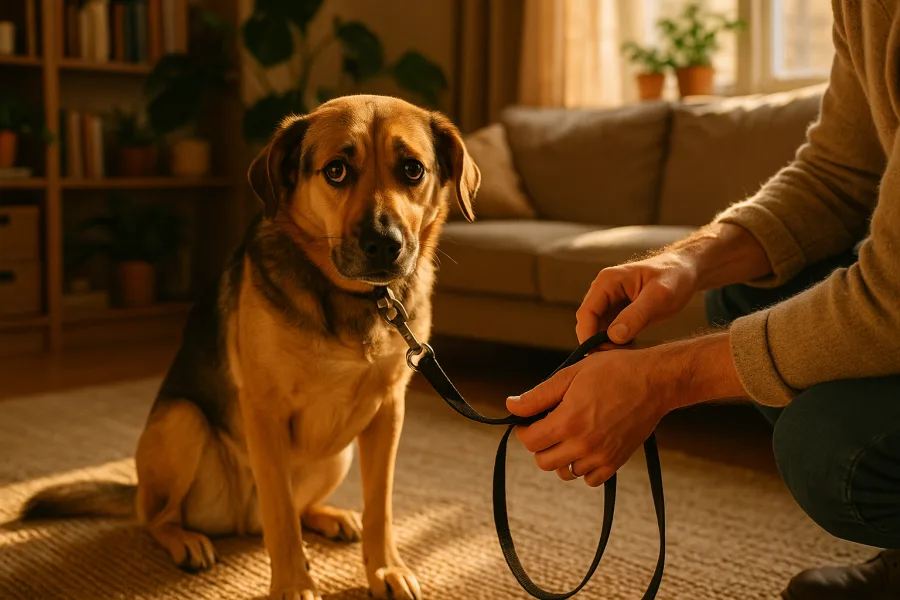
Adult dogs, generally between two and eight years old, display balanced learning abilities, making this stage ideal for more complex training programs. They can focus for longer periods, making them well-suited for learning new tricks or refining existing skills. My experience with Gypsy during her adult years taught me that keeping training sessions consistent and challenging can help maintain their mental sharpness. Adult dogs often enjoy tasks that stimulate them both physically and mentally. Activities like agility courses or scent work, which encourage problem-solving, can be particularly fulfilling, offering mental stimulation and physical exercise.
Can Senior Dogs Still Learn Effectively?
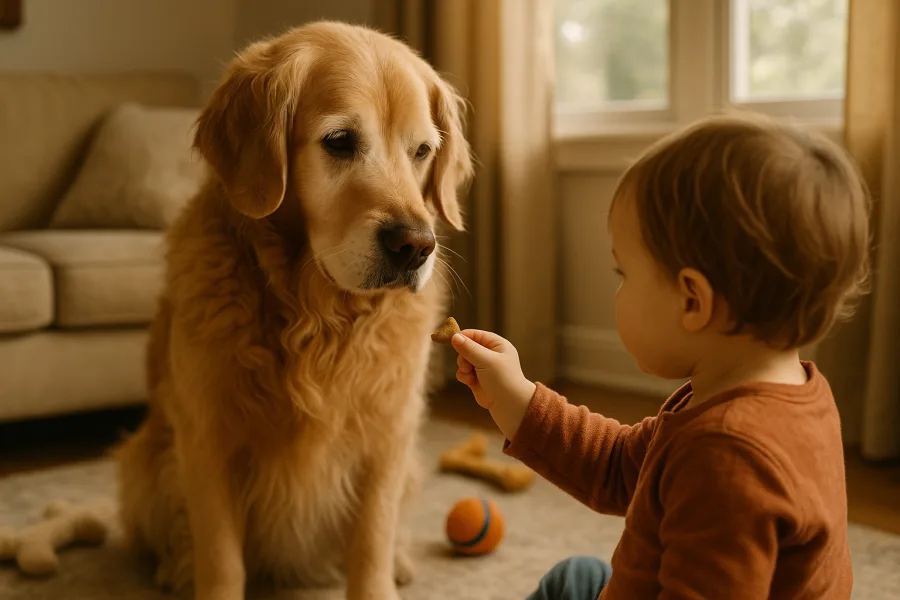
Senior dogs, like my dear Gypsy in her later years, may learn at a slower pace, but they are far from incapable of learning. Patience and encouragement are key. Older dogs can benefit from cognitive exercises that engage their minds, such as puzzle toys or gentle training sessions. Keeping expectations realistic is important, focusing on maintaining their current skills while introducing new concepts gradually. A gentle approach with lots of praise can work wonders for a senior dog's learning. Additionally, engaging them in low-impact physical activities can help maintain their physical health, which supports mental agility.
Tips for Training Dogs at Different Ages
Each life stage requires tailored training techniques:
- Puppies: Use short, fun sessions with plenty of rewards. Focus on basic commands and socialization. Consider puppy classes for structured learning and social interaction.
- Adolescents: Use structured environments to minimize distractions. Introduce intermediate commands. Regularly rotate training exercises to keep them engaged and challenged adequately.
- Adults: Engage in complex training and activities that challenge them mentally and physically. Include tasks that require problem-solving and decision-making to enhance cognitive abilities.
- Seniors: Keep sessions short and gentle. Use positive reinforcement and focus on maintaining skills. Incorporate routine check-ups with a vet to monitor their health, as physical well-being supports learning.
How to Support Learning in Senior Dogs
Recognizing signs of cognitive decline in senior dogs can help you support their learning capabilities effectively. Watch for changes in behavior like disorientation, altered sleep patterns, or reduced social interaction. If you notice these signs, consulting a veterinarian could be beneficial. Encouraging mental agility in senior dogs can involve regular, gentle exercise, interactive toys, and maintaining a consistent routine. Always use positive reinforcement to encourage learning, a method that benefits dogs of all ages. Ensuring their diet is rich in nutrients that support cognitive health can also be helpful.
Understanding how dogs think and learn can enhance your training efforts. For deeper insight into canine cognition, you might find our full guide on how dogs think and learn helpful.
Summary: Key Takeaways for Dog Owners
- Dogs can learn at any age, although methods should be adjusted according to their life stage.
- Puppies learn rapidly but have short attention spans; focus on basic training.
- Adolescent dogs have increased learning capacity but are easily distracted; use structured sessions.
- Adult dogs are well-suited for complex tasks; balance mental and physical activities.
- Senior dogs can still learn; maintain skills with patience and positive reinforcement.
In my years with dogs, I've learned that each is unique, with its own pace and style of learning. By observing your dog's behavior and adjusting your approach, you can help them continue to grow and learn, no matter their age. Building a strong relationship through understanding and patience not only enhances their ability to learn but also deepens the bond between you and your furry companion.

I've shared my home with pets for over 40 years. No letters after my name, just four decades of paying close attention. I've read widely, watched everything I could find, and learned most of what I know from living alongside animals every day. This site is where I share what I've picked up along the way.
More by Nicole Dance →