Essential Equipment for Leash Training Your Dog
Learn the essential gear for leash training your dog, including leashes, collars, and harnesses, to ensure safe and enjoyable walks.
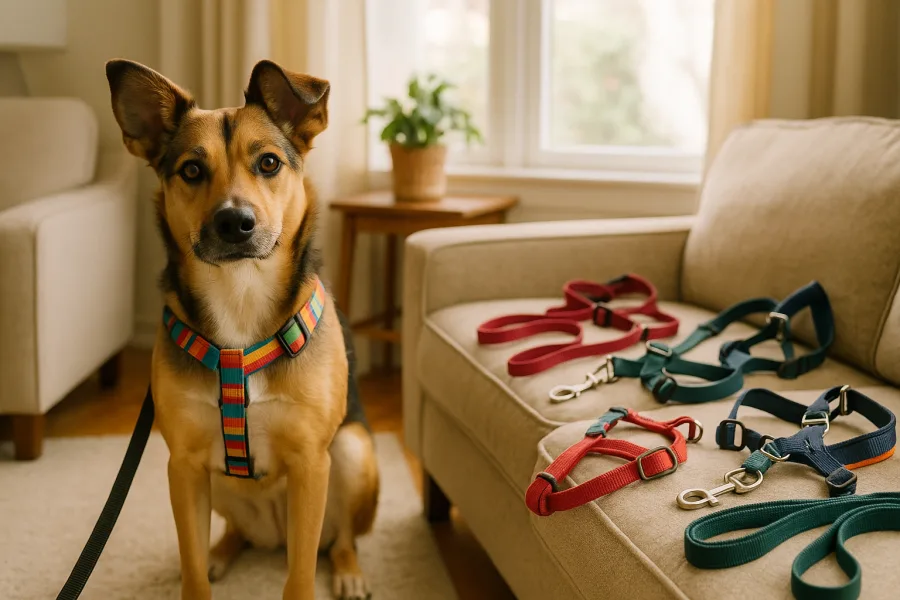
Leash training your dog is a crucial step in making walks both safe and enjoyable. With the right gear, the process becomes smoother and more effective for both you and your furry companion. To begin, you'll need some essential items: a sturdy leash, a well-fitted collar or harness, and optional training aids like a clicker or treat pouch. These tools will help you maintain control, promote good behavior, and ensure that training is a positive experience for your dog.
Before we dive into the details, let's outline the vital equipment needed for successful leash training. You'll require a standard leash, a comfortable collar or harness, and possibly some additional tools like a treat pouch or clicker. These items are key to guiding your dog's behavior during walks and making training sessions both productive and enjoyable.
What Equipment Do I Need to Leash Train My Dog?
To effectively leash train your dog, start with these essential items:
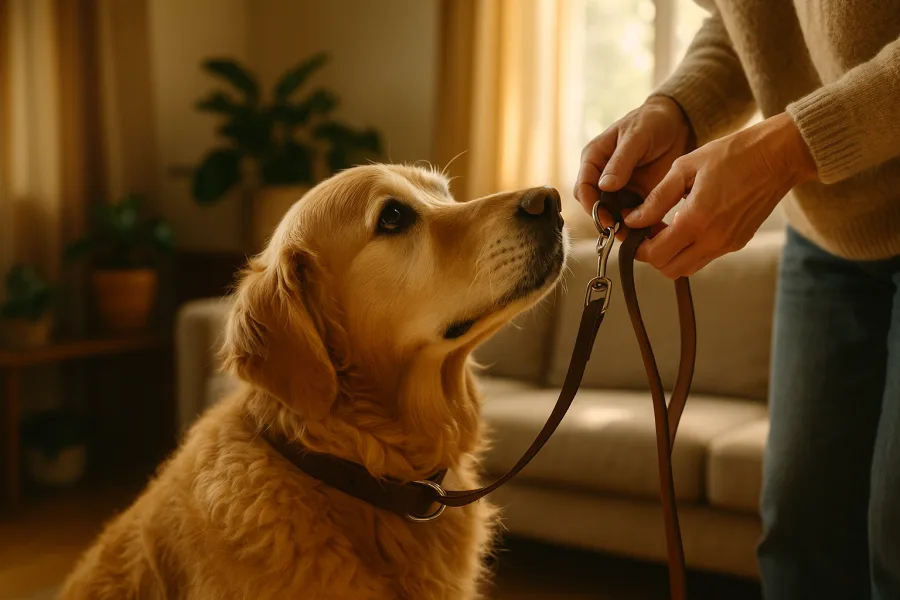
- Leash: A standard leash, typically 4-6 feet long, offers control without overwhelming your dog. While retractable leashes provide more freedom, they can be challenging for beginners. Choose a durable material like nylon or leather for a comfortable grip that can withstand some wear and tear.
- Collar: The flat collar is a popular choice, offering a straightforward way to attach your leash. Make sure it has a reliable clasp and is constructed from sturdy material. For added safety, consider collars with reflective elements for better visibility during evening walks.
- Harness: A harness is an excellent alternative to a collar, especially for dogs prone to pulling or tracheal issues. Look for harnesses with a front clip to help reduce pulling and ensure it fits your dog’s body snugly.
How to Choose the Right Leash
Selecting the right leash is vital for effective training. Standard leashes, made from nylon or leather, are ideal for most training scenarios as they offer consistent control. For smaller dogs, opt for a lightweight leash to ensure comfort, while larger breeds might benefit from a thicker, more robust leash. A padded handle can provide extra comfort during longer walks.
Retractable leashes offer greater freedom but can be tricky for new trainers. They are best for well-trained dogs that have mastered basic walking etiquette. Long-line leashes, which extend up to 30 feet, are perfect for training recall or for use in open spaces where commands are practiced at a distance while maintaining control.
Collar vs. Harness: Which is Best?
Choosing between a collar and a harness depends on your dog’s breed, size, and behavior. Collars are simple and effective for most dogs but can strain a dog’s neck if they pull excessively. A harness distributes pressure more evenly across the body, making it a better option for dogs with respiratory issues or those prone to pulling.
For breeds such as pugs or bulldogs, which have shorter snouts, harnesses are often recommended to prevent breathing difficulties. On the other hand, collars can work well for dogs that walk calmly and don't tend to pull. Consider your dog's behavior and health needs, and consult with your veterinarian if you're unsure.
Are There Optional Training Aids That Can Help?
While a leash and collar or harness are core elements, additional tools can enhance the training process. A clicker is a small device that emits a clicking sound, used to mark correct behavior and followed by a treat. This technique is effective for positive reinforcement, helping dogs associate the sound with rewards.
Treat pouches are useful for keeping rewards handy during training sessions. These pouches easily attach to your belt or waistband, providing quick access to rewards without disrupting the training flow. No-pull devices, like specific harnesses or head collars, can also be beneficial for strong or persistent pullers, helping to distribute pressure and guide your dog more effectively during walks.
What Should I Know About Fit and Safety?
Ensuring a proper fit for both collars and harnesses is crucial for your dog’s comfort and safety. A collar should be snug yet allow two fingers to fit between it and your dog’s neck. Harnesses should fit securely without chafing or restricting movement. Regularly adjust the fit as your dog grows or gains weight to maintain comfort and effectiveness.
Safety tips include routinely checking for wear and tear on your equipment, avoiding leaving a collar on an unsupervised dog to prevent accidents, and ensuring that all fastenings are secure before you set out. Always inspect your equipment for any signs of deterioration before each walk to avoid unexpected failures.
What Are Some Tips for First-Time Users?
If you're new to leash training, patience is essential. Start slowly, allowing your dog to get used to the leash and collar or harness indoors before heading outside. Avoid common mistakes like pulling on the leash or using harsh commands, as these can cause anxiety and resistance. The goal is to create a positive association with walking on a leash.
Maintain a positive attitude and frequently reward your dog for good behavior. With consistency and patience, successful leash training will follow over time. Gradually increase the length and complexity of walks as your dog becomes more comfortable and confident.
How Do I Maintain and Care for My Equipment?
Regular maintenance of your leash training equipment will ensure its longevity and safety. Clean your leash and collar or harness regularly, especially after walks in muddy or wet conditions. Use mild soap and water to remove dirt and grime, avoiding harsh chemicals that may damage the material. Check for any signs of damage, such as fraying or weakened clips, and replace equipment as needed to prevent breakage during use. Store your equipment in a dry, safe place to avoid damage from moisture or pests.
Quick Summary
- Start with essential equipment: a leash, collar, or harness.
- Select a leash based on your dog’s size and training level.
- Choose between a collar or harness based on your dog's needs.
- Consider additional aids like clickers or treat pouches for enhanced training.
- Ensure proper fit for safety and comfort.
- Maintain equipment to ensure safety and longevity.
For more detailed advice on leash training, explore our full guide on training your dog to walk on a leash, which offers comprehensive insights into techniques and strategies for successful walks.

I've shared my home with pets for over 40 years. No letters after my name, just four decades of paying close attention. I've read widely, watched everything I could find, and learned most of what I know from living alongside animals every day. This site is where I share what I've picked up along the way.
More by Nicole Dance →