How Long Does It Take to Train a Dog to Walk on a Leash?
Learn the factors affecting how long it takes to train a dog to walk on a leash, with tips for a successful and patient training process.
How Long Does It Take to Train a Dog to Walk on a Leash?
Training your dog to walk on a leash can range from a few weeks to several months. The timeline depends on factors like your dog's age, breed, temperament, and past experiences. While some dogs pick it up quickly, others might take a bit more time and patience. Understanding these factors can help set realistic expectations and lead to a more successful training journey.
Every dog is unique, so what works for one may not work for another, and progress can vary greatly. The key is to stay consistent and patient, celebrating small victories along the way. With the right approach and tools, you can help your pet become a confident and well-behaved leash walker.
What Factors Influence the Training Duration?
Breed and Age Considerations
The breed and age of your dog can significantly impact how quickly they learn to walk on a leash. Puppies are generally more adaptable and can often pick up this skill faster than older dogs. However, they also have shorter attention spans, which can pose a challenge. On the other hand, older dogs may take longer to adjust but often have longer attention spans.
Certain breeds naturally take to leash training more easily. For instance, working breeds like Border Collies and German Shepherds tend to be eager to learn and follow commands. In contrast, more independent breeds such as Huskies might require more patience and consistency. Understanding your dog's breed traits can provide insights into potential challenges and help tailor your training approach accordingly.
Temperament and Past Experiences
A dog's temperament plays a crucial role in how quickly they learn to walk on a leash. A naturally calm and focused dog may adapt to leash training more easily than one who is easily distracted or anxious. Additionally, dogs with previous negative experiences on a leash may need extra time and positive reinforcement to overcome their fears.
Understanding your dog's individual temperament and history is essential for a successful training plan. For instance, a dog showing signs of anxiety might benefit from shorter, more frequent training sessions to gradually build confidence. Patience and empathy will go a long way in helping your dog feel comfortable and confident on walks.
How Do You Start Leash Training?
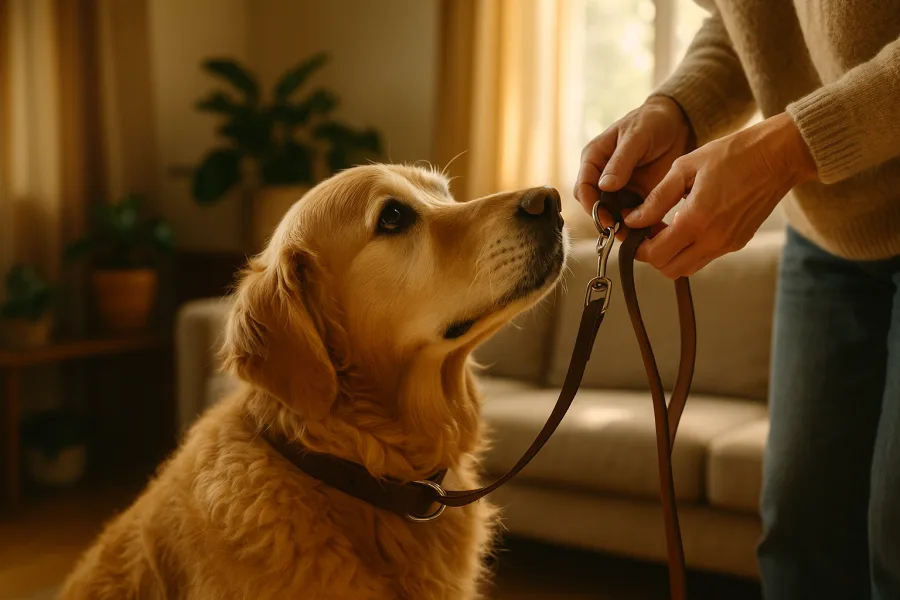
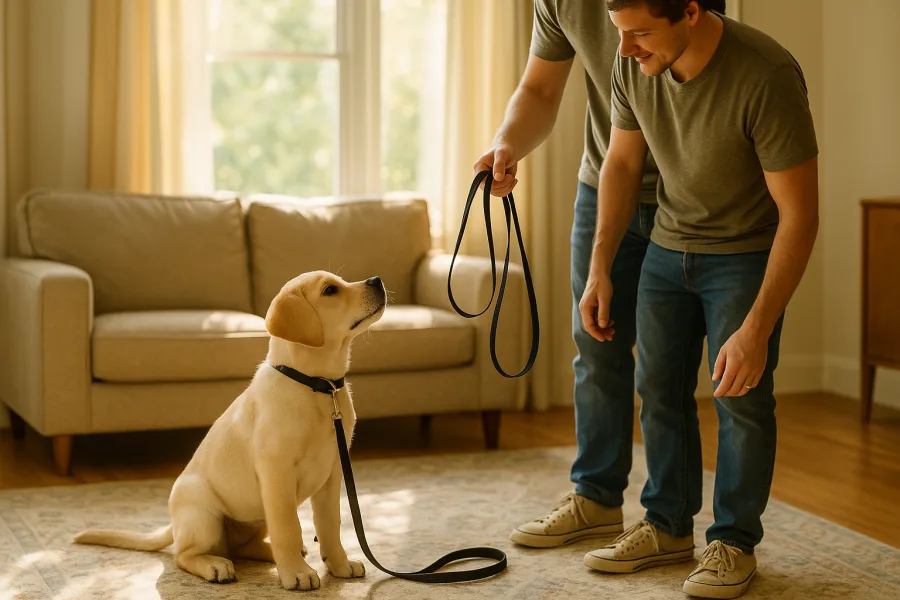
Starting leash training can feel overwhelming, but breaking it down into manageable steps can make it easier for both you and your dog. Begin by introducing the leash and collar or harness in a positive setting, allowing your dog to sniff and get accustomed to them. Letting your dog interact with the equipment in a stress-free environment helps establish a positive association.
Once your dog is comfortable with the equipment, start by practicing indoors or in a familiar, low-distraction environment. Encourage your dog to walk beside you using treats or toys as motivation. Gradually move to outdoor spaces, keeping sessions short and positive. Remember to keep your tone upbeat and rewarding to encourage your dog's cooperation.
Consistency is key. Practice daily, and gradually increase the duration and complexity of the walks as your dog becomes more comfortable. Reinforce good behavior with praise and treats, and be patient with setbacks. Consistent practice not only strengthens the desired behavior but also builds a stronger bond between you and your dog.
What Are Common Challenges in Leash Training?
How to Handle Pulling
Pulling on the leash is a common issue that many dog owners face. It can be frustrating, but there are effective strategies to address it. One approach is to stop walking whenever your dog pulls, resuming only when the leash is slack. This teaches your dog that pulling won't get them where they want to go.
Another method is to change direction abruptly when your dog pulls. This can help your dog learn to pay attention to your movements rather than forging ahead. Consistency and patience are crucial in breaking the pulling habit. Additionally, using a no-pull harness can provide more control and make the training process smoother.
Dealing with Distractions
Distractions can make leash training challenging, as dogs are naturally curious about their surroundings. Start training in a quiet area and gradually introduce more distractions as your dog becomes more skilled. Use high-value treats and toys to maintain your dog's focus, and practice commands like "look at me" to redirect their attention. Engaging your dog with interactive toys or puzzle feeders before walks can also help expend some excess energy, making them more focused during training.
When Should You Seek Professional Help?
If progress is slow or your dog shows behaviors like severe anxiety or aggression, it might be time to consult a professional trainer. A skilled trainer can provide personalized guidance and help address specific challenges. Seeking help early can prevent the development of bad habits and ensure a positive training experience.
Professional trainers can also offer insights into advanced training techniques and provide support for unique circumstances, such as training rescue dogs with unknown pasts. Their expertise can be invaluable in making the leash training process more efficient and enjoyable for both you and your dog.
Key Takeaways for Successful Leash Training
- Leash training can take weeks to months, depending on your dog's individual factors.
- Breed, age, temperament, and past experiences all influence training duration.
- Start with basic steps, gradually increasing complexity as your dog progresses.
- Address common challenges like pulling and distractions with patience and consistency.
- Consider professional help if progress stalls or severe issues arise.
Leash training is a valuable investment in your dog's well-being and your enjoyment of walks together. For more detailed guidance, see our full article on training your dog to walk on a leash. With time, patience, and the right approach, you can achieve a rewarding walking experience with your furry friend. Remember, each step forward strengthens your relationship and enhances your dog's quality of life.

I've shared my home with pets for over 40 years. No letters after my name, just four decades of paying close attention. I've read widely, watched everything I could find, and learned most of what I know from living alongside animals every day. This site is where I share what I've picked up along the way.
More by Nicole Dance →