How to Handle Cat Aggression Towards Other Pets
Discover steps to manage cat aggression towards other pets, including safe separation and calming techniques. Address triggers for a peaceful home.

If your cat is suddenly acting aggressively towards other pets, it's important to act swiftly to ensure everyone's safety. Begin by calmly separating the animals to prevent any immediate danger. Once things are under control, you can start addressing the root causes of this behavior.
Quick Action Steps to Manage Aggression
How to Safely Separate Pets
When aggression arises, your top priority is to safely separate your pets. Approach the situation calmly and avoid raising your voice, as this can increase anxiety. Use a barrier, such as a door or a pet gate, to gently separate the pets. If they're already engaged, distract them with a loud noise, like clapping or dropping something nearby, to break their focus. Avoid using your hands to separate fighting animals, as this could lead to injury. Instead, use a broom or a cushion to create a safe distance between them.
Immediate Calming Techniques
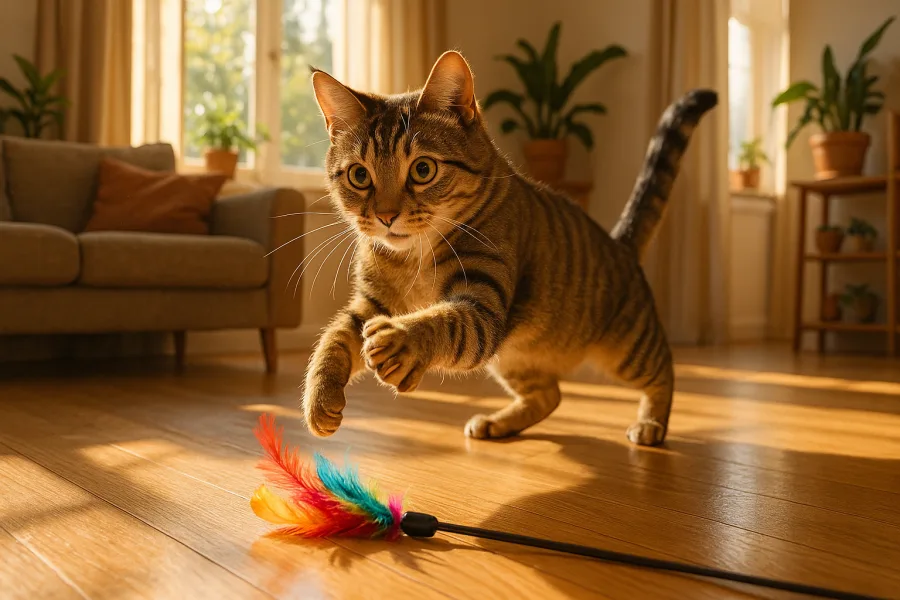
After separating the pets, give your cat some time to calm down in a quiet, comfortable space. Avoid further interaction between the pets until the aggressive cat has relaxed. Speaking softly to your cat or offering its favorite toys can help ease tension. Ensure each pet has access to its own food, water, and litter box to reduce competition and stress. Consider using a soothing agent like a pheromone diffuser to help your cat feel more secure in its environment.
Why Does This Happen? Understanding Aggression Triggers
Common Causes of Cat Aggression
Aggression in cats can be triggered by several factors, such as territoriality, fear, stress, or changes in the household. Cats are territorial animals, and introducing new pets can provoke defensive behavior. Additionally, fear of unfamiliar situations or animals can cause a cat to act aggressively. Changes like remodeling, new family members, or even shifts in your schedule can create stress that manifests as aggression.
Identifying Potential Health Issues
Sometimes, aggression can be linked to health problems. Pain or discomfort from medical conditions like arthritis or dental disease can make a cat irritable and more prone to lash out. It's wise to consult a veterinarian to rule out any underlying health issues that might be contributing to the aggression. Regular health check-ups and being observant of any changes in your cat's behavior or physical condition are essential for identifying issues early on.
For a deeper understanding of the causes and calming techniques, you can explore more in our guide on cat aggression.
How to Create a Peaceful Home Environment
Resource Management for Multiple Pets
Make sure all pets have their own resources to reduce competition and stress. Each pet should have its own feeding area, water source, and sleeping quarters. Cats also appreciate elevated spaces or hiding spots where they can retreat. This setup helps minimize conflicts over territory and resources. It's also beneficial to have multiple litter boxes placed in different areas of the home to prevent territorial disputes in shared spaces.
Stress-Reduction Techniques
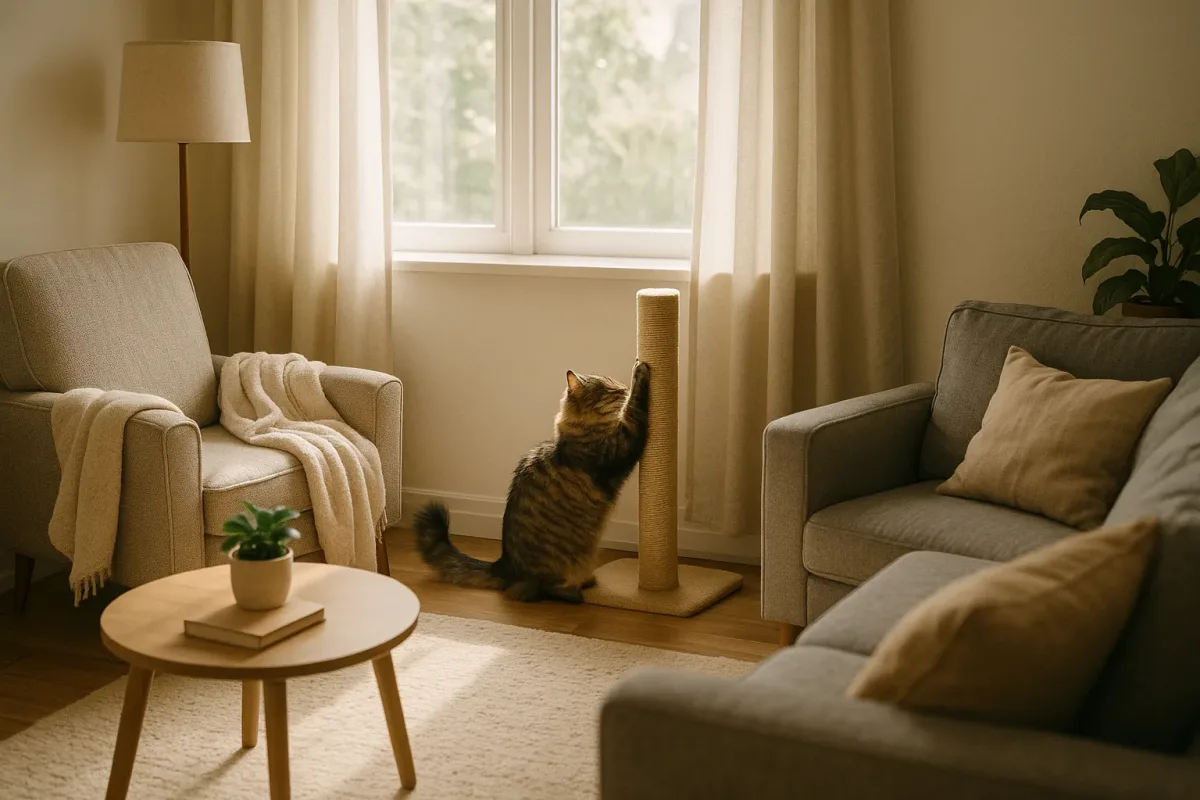
Maintaining a calm environment is key to reducing aggression. Routine is important for cats, so keep feeding and playtimes consistent. Use calming pheromone diffusers in areas where your pets spend the most time. Enrich the environment with interactive toys and scratching posts to keep your cat mentally and physically stimulated. Consider playing soft music or using white noise machines to mask sudden noises that might startle or stress your cat.
Training Techniques to Reduce Aggression
Basic Training Tips
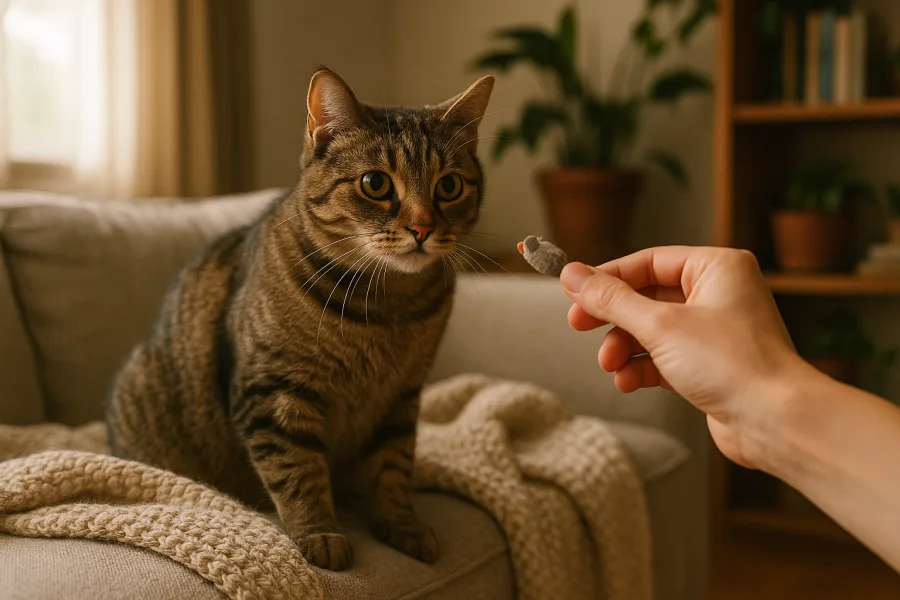
Training can help manage aggression by reinforcing positive behavior. Reward your cat when it behaves calmly around other pets. Use treats, praise, or petting to reinforce good behavior. Consistent training sessions, although brief, can help your cat associate other pets with positive experiences. Additionally, practicing clicker training can be a highly effective method to shape desired behaviors through positive reinforcement.
Importance of Consistency and Patience
Patience and consistency are crucial when training your cat. Behavioral changes won't happen overnight, and maintaining a consistent approach is important. Regular, short training sessions will be more effective than infrequent, longer ones. Remember, each cat is different, and progress might be gradual. It's important to remain calm and patient, as your cat will pick up on your emotional state.
When to Seek Professional Help
Signs It's Time to Consult an Expert
If your cat's aggression doesn't improve with basic steps, or if the behavior seems to escalate, it's time to seek professional help. A veterinarian can assess whether medical issues are at play, and an animal behaviorist can provide specialized training strategies tailored to your situation. Signs that professional help is needed include persistent aggression, severe injuries, or if the aggression is directed at humans.
What to Expect from Professional Intervention
A professional will conduct a thorough evaluation of your cat's behavior and the household dynamics. They may suggest a combination of behavior modification techniques, environmental adjustments, and, in some cases, medication. The goal is to create a personalized plan that ensures the safety and well-being of all your pets. Professionals might also offer follow-up sessions to assess progress and make necessary adjustments to the plan.
Summary: Key Takeaways for Managing Cat Aggression
- Quickly and calmly separate pets to prevent harm when aggression occurs.
- Identify triggers and understand the potential causes of aggression, including health issues.
- Create a peaceful environment by providing separate resources for each pet.
- Implement consistent training techniques to encourage positive behavior.
- Seek professional help if aggression persists or escalates.
- Regularly monitor your cat's health and behavior for any changes.

I've shared my home with pets for over 40 years. No letters after my name, just four decades of paying close attention. I've read widely, watched everything I could find, and learned most of what I know from living alongside animals every day. This site is where I share what I've picked up along the way.
More by Nicole Dance →