Understanding Cat Aggression: Causes and Calming Techniques
Explore the causes of cat aggression and find practical solutions and calming techniques to foster a peaceful relationship with your pet.

Cats make wonderful companions, but their occasional bouts of aggression can be worrisome for pet owners. Grasping the reasons behind this behavior and finding effective ways to address it are key to fostering a peaceful bond with your feline friend. This comprehensive guide provides practical strategies to manage and reduce your cat's aggression, along with calming techniques to create a harmonious environment.
How Can I Quickly Calm an Aggressive Cat?
If your cat becomes aggressive, taking immediate action can help soothe the situation. Start by staying calm yourself. Cats pick up on human emotions, so displaying panic or anger can worsen their aggression. Use soft, soothing tones and avoid direct eye contact, which might seem challenging to them. Keeping a composed demeanor can signal to your cat that there's no threat.
Should your cat become confrontational, place a cushion or blanket between you and the cat. This not only protects you but also gives the cat a chance to pause and rethink. If possible, move to another room and give your cat some space to cool down. Offering a quiet, dimly lit space can help them feel safe and reduce stress. Cats often need alone time to process their surroundings, and providing this can prevent the situation from escalating.
Another effective method is using feline pheromone diffusers, which mimic the natural pheromones cats use to mark safe spaces. These diffusers can instill a sense of calm and security in your home, encouraging your cat to relax. Additionally, some cat owners find success with calming sprays or wipes that can be applied to furniture or bedding, helping to create a more tranquil environment for anxious cats. Read our article on Effective Strategies to Calm an Aggressive Cat for a more detailed breakdown.
Why Do Cats Become Aggressive?
Understanding the root causes of aggression in cats is essential for addressing it effectively. A common cause is fear. Cats may become aggressive when they feel threatened or cornered, often as a defensive mechanism to protect themselves. In such cases, a cat's fight-or-flight response kicks in, and if escape isn’t an option, aggression may follow. Read our article on Is My Cat Suddenly Aggressive? Understanding the Causes for a more detailed breakdown.
Pain can also be a significant trigger. A cat in discomfort due to an injury or illness might lash out to avoid further pain. It's important to watch for signs of distress or discomfort and consult a veterinarian if you suspect pain is involved. Regular health checks can help identify potential medical issues early, preventing them from leading to aggression.
Territorial behavior often causes aggression, especially in multi-cat households. Cats are naturally territorial, and the introduction of a new pet or changes in the household can lead to aggressive outbursts as they attempt to assert dominance. Understanding how important territory is to a cat's sense of security can help you manage and reduce conflicts in homes with multiple pets.
Redirected aggression happens when a cat is stimulated by something it can't reach, like a bird outside a window, and then lashes out at the nearest target, often a person or another animal. This can be particularly challenging to manage because the aggression isn't directly related to the target but is more a result of frustration. Our article on to Handle Cat Aggression Towards Other Pets goes into more detail on this specific point.
What Are the Different Types of Cat Aggression?
Play Aggression
Play aggression is common in kittens and young cats, showing as biting, pouncing, and scratching, behaviors that mimic hunting. While it might seem harmless, it's crucial to redirect this energy through interactive play with toys rather than allowing them to target human hands or feet. Providing a variety of toys that engage a cat's instincts for stalking and chasing can satisfy their playful urges without encouraging aggressive behavior towards people.
Fear Aggression
This type of aggression occurs when a cat feels threatened. Signs include crouching, ears back, and a puffed tail. It's essential to identify the source of fear and gradually desensitize your cat, ensuring they have safe places to retreat to when feeling overwhelmed. Creating a secure environment where your cat can observe without feeling exposed is important. Slow, patient interactions and positive reinforcement can help build trust and reduce fear-based aggression over time.
Territorial Aggression
Territorial aggression often appears when cats feel their space is invaded, possibly due to a new pet, a move, or changes in their usual environment. Ensuring each cat has its own resources, like litter boxes and sleeping areas, can help alleviate this issue. Consistent routines and gradual introductions to new spaces or animals can also minimize territorial disputes and help your cat adjust more comfortably to changes.
What Calming Techniques Work for Cats?
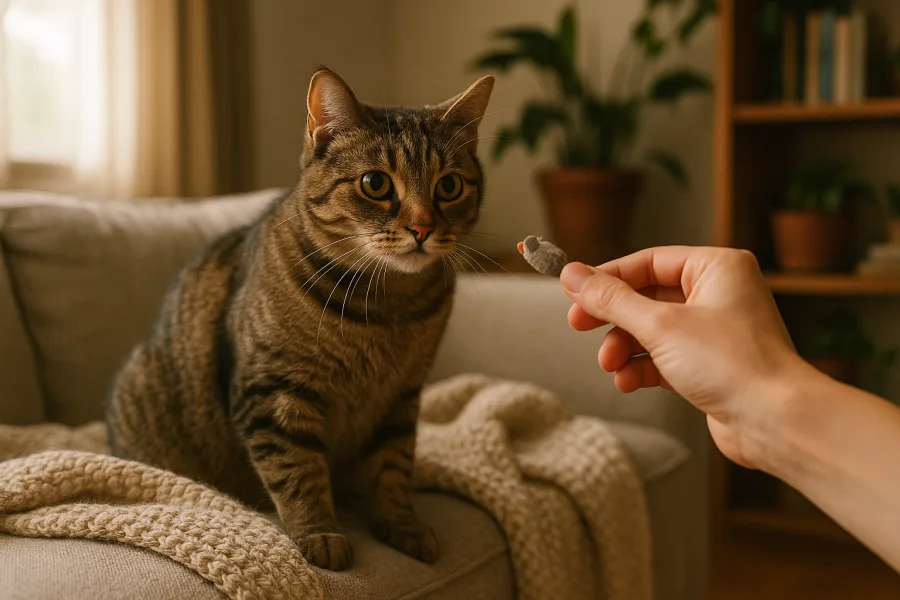
Several techniques can help calm an aggressive cat. Interactive play is particularly effective. Using wand toys or laser pointers can help release a cat's pent-up energy and reduce aggression. Regular, structured play sessions can not only channel their energy positively but also strengthen the bond between you and your pet.
Providing safe spaces, like cat trees or hideaways, can also be beneficial. Cats often feel more secure with a high perch or a secluded spot to retreat to. Additionally, calming products such as pheromone diffusers or sprays can create a soothing atmosphere, especially useful in multi-cat households or during significant changes, like moving or introducing a new pet.
Cats thrive on routine, so maintaining consistent feeding times and play sessions provides stability. This routine can reduce anxiety and help your cat feel more secure. Understanding that even small disruptions in their daily schedule can cause stress allows you to better cater to their needs and prevent aggressive behavior.
How Can I Modify My Cat's Environment?
Making changes to your cat's environment can greatly reduce stress and aggression. Ensure your home has plenty of vertical spaces, like shelves or perches, where your cat can observe its surroundings from a safe distance. Elevated areas allow cats to feel more in control of their environment, reducing anxiety and potential aggression.
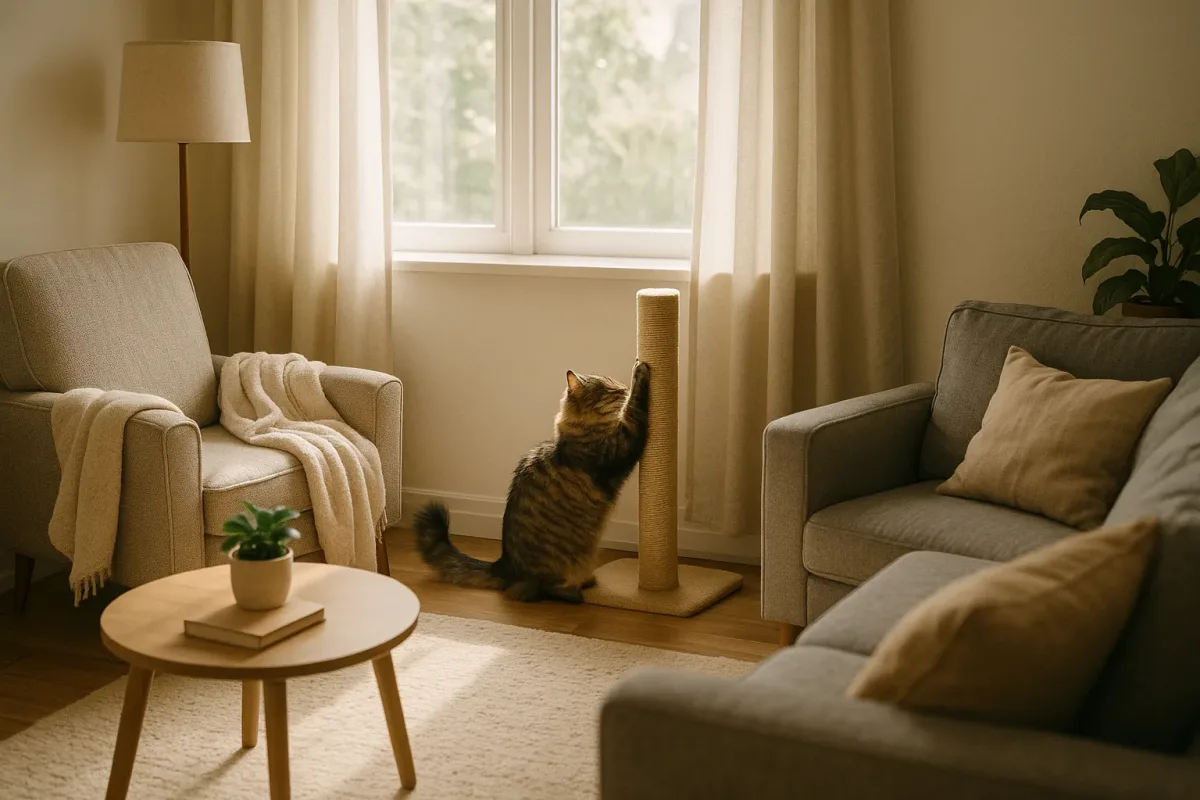
Enriching the environment with toys, scratching posts, and interactive feeders keeps your cat mentally and physically stimulated, reducing boredom, which can sometimes lead to aggression. Incorporating puzzle feeders and rotating toys regularly can keep your cat engaged and prevent them from becoming disinterested or frustrated.
In households with multiple cats, providing multiple resources like litter boxes, food and water stations, and resting spots is essential. This prevents competition and territorial disputes. Ensuring each cat has access to their own resources can foster more peaceful coexistence and reduce the likelihood of aggression stemming from territoriality.
When Should I Consult a Professional?
While many aggression issues can be managed at home, there are times when professional help is needed. If your cat's aggression is severe, persistent, or accompanied by changes in behavior or health, consulting a veterinarian or a certified animal behaviorist is recommended. They can conduct a thorough assessment to determine if medical issues or deep-seated behavioral problems are involved.
A professional can help identify underlying medical issues, offer tailored behavior modification plans, and provide guidance on medication if necessary. Remember, seeking help is a proactive step towards improving your cat's well-being and your relationship with them. Early intervention can prevent aggression from becoming a more ingrained and difficult-to-manage behavior.
How Can I Prevent Future Aggression?
Preventing aggression starts with early socialization. Exposing kittens to various environments, people, and other animals can help them grow into well-adjusted adults. Early and positive experiences build a foundation of trust and reduce fear-based aggression as they mature.
Regular veterinary check-ups are also essential to rule out health issues that could lead to aggression. Keeping your cat healthy and addressing any pain or discomfort early can prevent these issues from manifesting as aggressive behavior.
Providing adequate mental and physical stimulation through play and enrichment activities is crucial. This not only keeps your cat engaged but also reduces the likelihood of aggressive behaviors stemming from boredom or frustration. Consistent engagement and stimulation can foster a calm and contented cat, lowering the risk of aggression.
Quick Summary
- Remain calm and create a safe environment when dealing with an aggressive cat.
- Identify the root cause of aggression, whether it be fear, pain, territoriality, or other triggers.
- Differentiating between types of aggression helps in choosing the right approach to manage it.
- Calming techniques like interactive play, pheromone diffusers, and safe spaces are effective.
- Environmental modifications, such as adding vertical spaces and enrichment activities, can reduce stress.
- Professional help is advisable if aggression is severe or persistent.
- Preventative measures like early socialization and regular vet visits can help avert aggression.
Understanding your cat's unique triggers and behaviors is crucial to effectively managing aggression. With patience, observation, and a commitment to creating a peaceful home environment, you can help your cat feel more secure and less prone to aggression. A well-managed environment, combined with proactive measures, can significantly improve the quality of life for both you and your feline companion, fostering a deeper and more harmonious relationship.

I've shared my home with pets for over 40 years. No letters after my name, just four decades of paying close attention. I've read widely, watched everything I could find, and learned most of what I know from living alongside animals every day. This site is where I share what I've picked up along the way.
More by Nicole Dance →