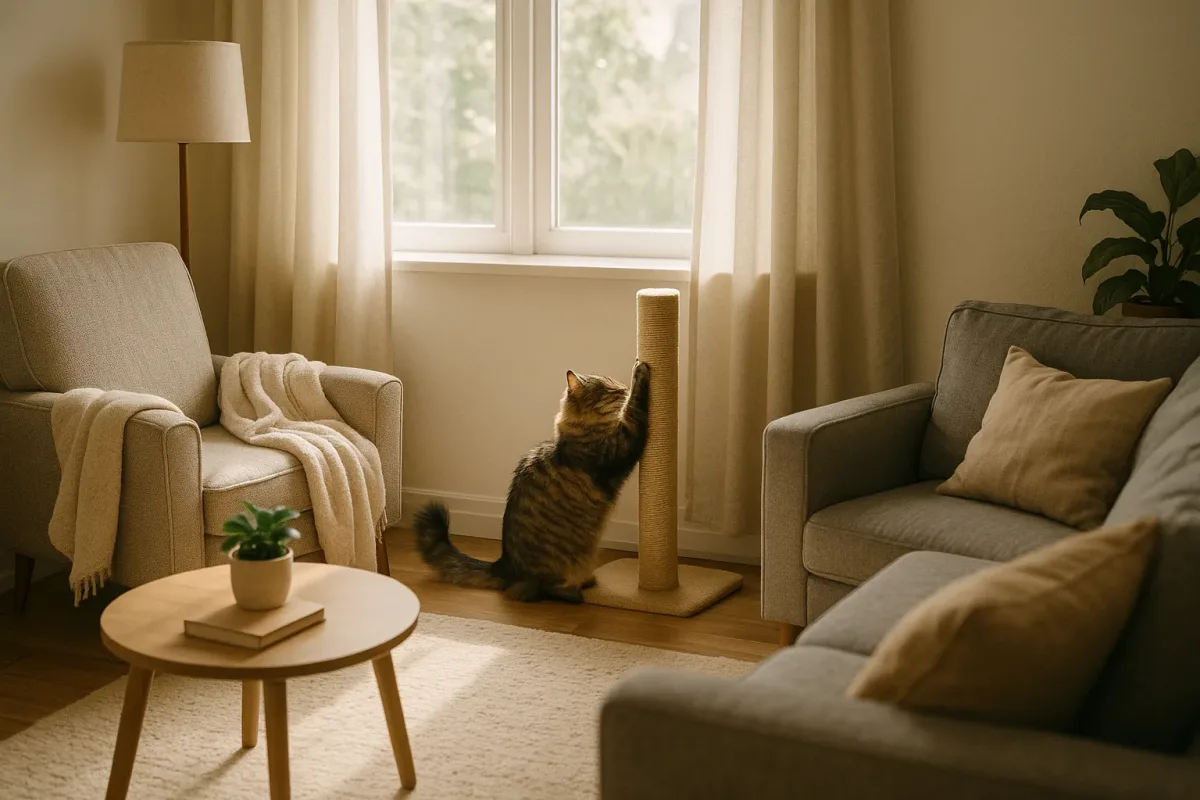
How to Train Your Cat to Use a Scratching Post Effectively
Discover why cats scratch and how to train them to use a scratching post, protecting your furniture and satisfying their natural urges.
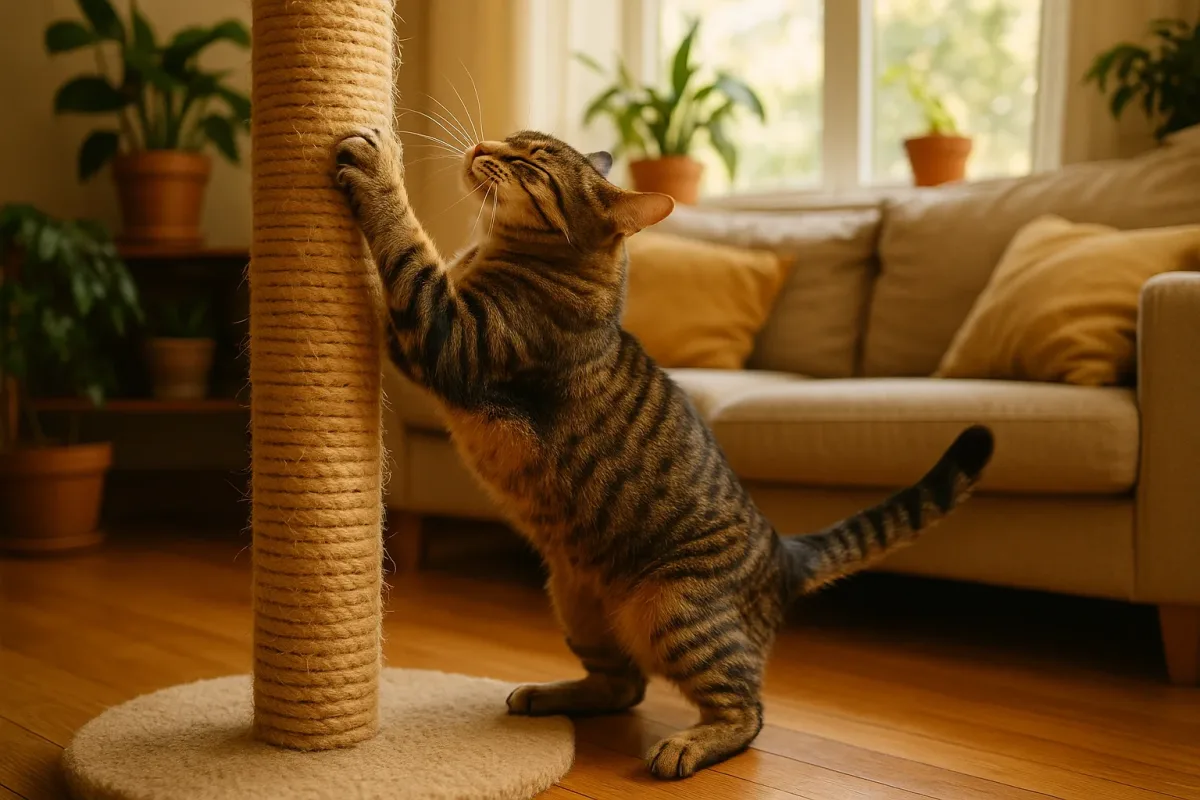
Cats have a natural urge to scratch, which can sometimes lead to frustration for owners dealing with damaged furniture or carpets. Training your cat to use a scratching post is a practical solution that not only protects your belongings but also caters to your cat's natural behaviors. By understanding why cats scratch and following effective strategies, you can redirect this activity to a designated scratching post.
How Can I Train My Cat to Use a Scratching Post?
Start the training process by choosing the right scratching post, placing it strategically in your home, and using positive reinforcement. Introduce your cat to the scratching post in a calm and inviting way. You might gently guide their paws to the post to demonstrate its use, although some cats may naturally investigate and start using it on their own.
Encourage your cat to use the post by rewarding them with treats or affection when they engage with it. Consistency is important; ensure the post is easily accessible and part of your cat's daily environment. For more detailed strategies, this guide on preventing cats from scratching furniture might be helpful.
Why Do Cats Scratch?
Scratching is an innate behavior in cats that serves several important functions. It helps them mark their territory, stretch their muscles, and shed the outer layer of their claws. Cats have scent glands in their paws, and scratching allows them to leave both visual and scent markers, which is crucial for their territorial behavior. Understanding these needs is essential in addressing unwanted scratching behavior. Rather than seeing scratching as a problem, view it as a necessity that can be directed appropriately. It's a natural behavior vital for their physical and mental health.
What Should I Look for in a Scratching Post?
Choosing the right scratching post is crucial to its success. Consider these key features:
- Height: Ensure the post is tall enough for your cat to stretch fully. This is especially important for larger breeds, as they need to extend their bodies completely during scratching.
- Material: Cats enjoy materials that offer resistance. Sisal rope or fabric is often recommended, but some cats prefer cardboard or carpet. Observing your cat's current scratching preferences can guide you in selecting the right material.
- Stability: A wobbly post can deter a cat from using it. Make sure the post is stable and sturdy. Consider posts with broad bases or wall-mounted options to prevent tipping.
These elements will make the scratching post more appealing to your cat, reducing the likelihood they will turn to your furniture instead. Offering a variety of scratching surfaces can help cater to your cat's specific preferences.
Where Should I Place the Scratching Post?
The placement of the scratching post is just as important as the post itself. Position it in areas where your cat already spends a lot of time or near the furniture they tend to scratch. Placing it in a prominent location, where your cat can easily spot it, makes it more likely they will use it. If your cat tends to scratch in multiple areas, consider having several posts throughout your home. Placing a post near your cat's favorite resting spots can also encourage use, as cats often like to stretch and scratch upon waking.
How Do I Encourage My Cat to Use the Scratching Post?
Training your cat to use the scratching post can be rewarding with the right techniques:
- Positive Reinforcement: Reward your cat with treats, praise, or petting when they use the post. Positive reinforcement helps create a positive association with the scratching post.
- Catnip: Sprinkling catnip on the post can make it more enticing. Some cats are highly responsive to catnip, which can encourage them to investigate and use the post.
- Toys: Use toys to lead your cat to the post and encourage interaction. Interactive toys or dangling feathers can capture your cat's attention and bring them to the post.
- Model Behavior: Gently guide your cat's paws to the post to show them how to scratch. This can be especially useful if your cat is unsure about how to use the post initially.
Patience and consistency are key. Each cat is unique, so observe what works best for yours and adjust your approach accordingly. Some cats may take longer to transition to the scratching post, so remain patient and persistent.
How Can I Prevent My Cat from Scratching Furniture?
To deter your cat from unwanted scratching, consider these safe methods:
- Furniture Covers: Use covers or double-sided tape on furniture to make it less appealing. These temporary measures can help deter scratching while your cat adjusts to using the post.
- Deterrent Sprays: There are pet-safe sprays available to discourage scratching. These sprays often have scents that are unpleasant to cats but won't harm them.
- Regular Nail Trimming: Keeping your cat's nails trimmed can reduce damage from scratching. Regular grooming sessions can also be an opportunity to bond with your cat.
Understanding and meeting your cat's scratching needs can greatly reduce destructive behavior. Remember, patience and observation of your cat's preferences are key to long-term success. Providing an appealing alternative to furniture ensures your cat's natural instincts are fulfilled.
Quick Summary
- Begin by choosing a suitable, stable scratching post and place it in prominent locations.
- Use positive reinforcement, catnip, and toys to encourage use.
- Understand why cats scratch to better address the behavior.
- Prevent unwanted scratching with deterrent methods and regular nail trims.
- Consistency and patience are essential for training success.
With these strategies, you can effectively train your cat to use a scratching post while respecting their natural instincts. This not only protects your home but also enhances your cat's well-being. Training your cat to use a scratching post is an investment in both your home’s preservation and your pet’s happiness, fostering a harmonious living environment for both of you.

I've shared my home with pets for over 40 years. No letters after my name, just four decades of paying close attention. I've read widely, watched everything I could find, and learned most of what I know from living alongside animals every day. This site is where I share what I've picked up along the way.
More by Nicole Dance →