Identifying Signs of Poor Puppy Socialization
Learn to spot signs of poor puppy socialization like fear or aggression and find out how to address these issues for your puppy's well-being.

Bringing home a new puppy is an exciting time, but you might be wondering if your little companion is well-socialized. Spotting the signs of poor socialization early is crucial, as it lets you take steps to help your puppy flourish in different situations. Some signs of poor socialization include fear of people or other dogs, aggression, excessive barking, or hiding. Being mindful of these behaviors can greatly influence your puppy's growth and happiness.
Recognizing the Signs of Poor Puppy Socialization
Puppies that are not well-socialized often show clear and immediate signs. A common indicator is a strong fear or avoidance of people, other dogs, or unfamiliar places. If your puppy frequently hides, cowers, or trembles when encountering new situations, these could be important warning signs. While these reactions might seem like shyness at first, without intervention, they can develop into more serious behavioral problems.
Pay attention to behavioral cues as well. A puppy that appears nervous in new settings, refuses to explore, or struggles with routine activities like walks may need more socialization. Excessive barking, growling, or showing aggression towards strangers or other animals can also indicate discomfort or a lack of confidence in social situations. These behaviors can occur not only outdoors but also at home, where your puppy might become territorial or fearful of visitors. You can read more in our guide to to Socialize Your Puppy with Kids and Strangers.
Why Does Poor Socialization Happen?
Poor socialization often results from a lack of exposure during key developmental stages. Puppies have a sensitive period for socialization from about three to fourteen weeks of age. During this time, positive experiences with various stimuli, like different people, places, and animals, are vital for developing a balanced temperament. Missing these experiences can happen for several reasons, such as isolation or limited exposure due to health issues or overly protective environments.
Common causes of poor socialization include limited interactions during this crucial period or traumatic experiences that instill fear or anxiety. Puppies with a narrow range of experiences may develop a limited understanding of the world, leading to fearfulness and anxiety as they mature. Additionally, genetic factors can influence a puppy's temperament, affecting how they respond to socialization efforts.
How Does Poor Socialization Affect Your Puppy?
Poor socialization can impact your puppy both short-term and long-term. In the short term, you might notice increased stress and anxiety, which can show through behaviors like trembling, excessive panting, or even stomach upset. These stress responses can also lead to a reduced appetite or increased destructive behaviors as your puppy tries to manage their anxiety.
Long-term effects can include chronic fear, anxiety, or aggression, making it difficult for your puppy to adapt to family life or interact positively in a community setting. This can also impact their overall well-being, resulting in a lower quality of life. For instance, a poorly socialized puppy may grow into a dog that reacts aggressively to other dogs during walks, turning outings into stressful experiences for both the dog and you. Furthermore, such stress and anxiety can weaken their immune system, making them more prone to illness.
What Can You Do to Improve Socialization?
If you notice signs of poor socialization in your puppy, there are several ways to help. Gradually exposing them to new experiences is essential. Start by introducing your puppy to new environments or stimuli in small, manageable amounts, ensuring each experience is positive and rewarding. Begin with less stimulating settings and gradually increase complexity as your puppy gains confidence.
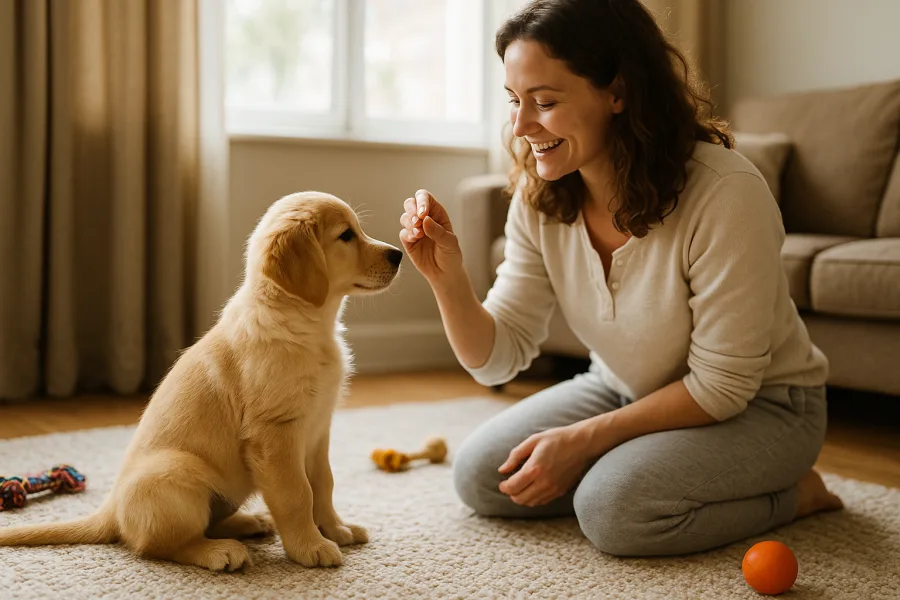
Use positive reinforcement, such as treats or praise, to encourage your puppy to engage and explore. Reward bravery and curiosity, even for small steps forward. Socialization classes or puppy playgroups can also offer controlled environments for positive interactions. These settings help your puppy learn to interact with other dogs and people safely and structuredly. For more detailed guidance, you might find our comprehensive guide on puppy socialization techniques and timing useful.
When to Seek Professional Help
Despite your best efforts, some puppies may still struggle with socialization. It's important to know when to seek professional help. If your puppy shows extreme fear, aggression, or if their behavior greatly affects their quality of life, consulting with a professional, such as a veterinarian or certified animal behaviorist, can be beneficial. These experts can evaluate your puppy's behavior and provide a tailored plan to address specific issues.
Professionals can offer personalized advice and may suggest specific training programs or interventions to help your puppy overcome social barriers. For those interested in structured socialization opportunities, consider exploring the benefits of puppy classes, which can be invaluable in providing a supportive environment. Puppy classes not only focus on socialization but also include basic obedience training, further enhancing your puppy's ability to interact positively with their surroundings.
Key Takeaways
- Identify signs of poor socialization early, like fearfulness or aggression. Early detection allows for timely intervention, preventing the escalation of these behaviors.
- Recognize the importance of the early socialization window and aim for positive exposure. Use this time to introduce a wide range of experiences in a controlled manner.
- Engage in gradual exposure techniques with positive reinforcement to improve socialization. Patience and consistency are key to helping your puppy build confidence.
- Seek professional help if your puppy's behavior significantly affects their quality of life. Professional guidance can provide a structured approach to overcoming socialization challenges.
- Being proactive about socialization can prevent long-term behavioral issues. Invest time in socialization efforts to ensure a happy, well-adjusted adult dog.

I've shared my home with pets for over 40 years. No letters after my name, just four decades of paying close attention. I've read widely, watched everything I could find, and learned most of what I know from living alongside animals every day. This site is where I share what I've picked up along the way.
More by Nicole Dance →