When is the Best Age to Start Leash Training Your Puppy?
Learn the best age to start leash training your puppy, with tips for success and key benefits of early training.
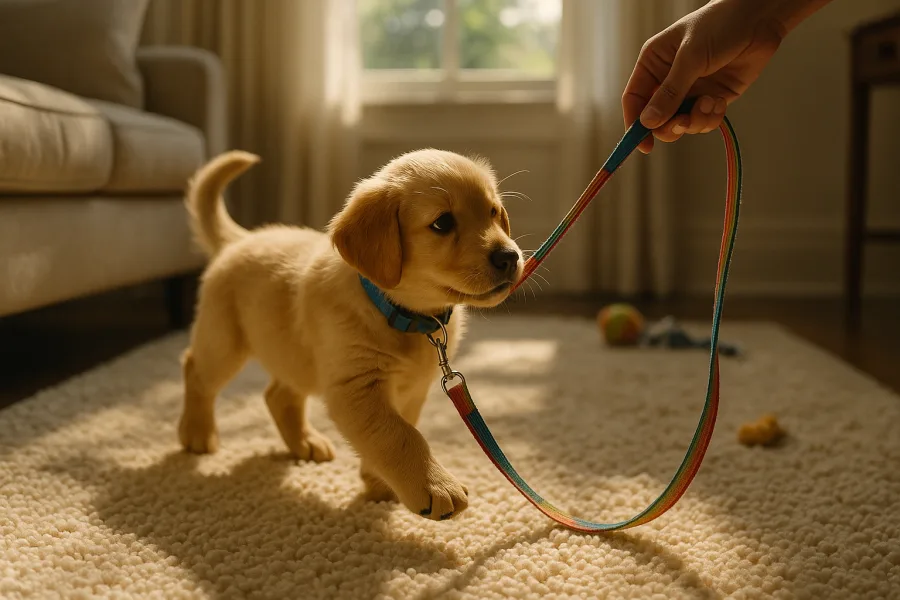
Leash training is a vital part of your puppy’s growth and can make your walks together much more enjoyable. But when is the right time to start this important training? Experts suggest beginning leash training when your puppy is between 8 and 12 weeks old. At this stage, puppies are usually more open to new experiences and eager to learn, laying a solid foundation for successful leash training.
What is the Best Age to Start Leash Training?
The ideal time to start leash training is between 8 and 12 weeks. Puppies at this age are naturally curious and enthusiastic about learning. This period aligns with key developmental milestones where they begin to grasp basic obedience and become more socialized. Introducing a leash now can help nurture positive walking habits that will last into adulthood. During these weeks, puppies are in a critical phase of socialization, making them more adaptable to new situations. Their ability to absorb information and adjust to environments is at its peak, providing a strong base for more advanced training in the future.
When I started leash training with Roxy, my fluffy Maltese Shih-tzu cross, she was just a tiny puppy. I remember her wriggling around and trying to chew on the lead, making it a bit of a challenge at first. However, by starting early, I was able to gently guide her through the process, helping her feel safe and secure. This early start made all the difference, and soon, Roxy grew to love her walks.
Why Start Early? Key Benefits of Timely Leash Training
Starting leash training early offers numerous benefits. It establishes good behavior habits that are easier to maintain as your puppy grows. Puppies trained early are generally easier to handle and less likely to develop leash issues like pulling or lunging. Early training also boosts your puppy’s confidence and reduces anxiety, making walks more enjoyable for both of you. Puppies who get comfortable with the leash early on are less likely to associate it with negative experiences, like feeling restrained or pulled, which can be stressful. Instead, they’re more likely to see leash time as a chance to explore and bond with their owner.
In my years with dogs, I've seen how early training can shape a dog's behavior. With Bonnie, my energetic Jack Russell cross, starting leash training early helped channel her energy positively. It was a way for us to bond and for her to explore her surroundings safely, turning potential mischief into an opportunity for learning.
Is Your Puppy Ready? Developmental Milestones and Signs
To know if your puppy is ready for leash training, look for specific developmental milestones. A puppy ready for leash training will usually have started basic obedience training, responding to simple commands like “sit” or “stay.” They should also show signs of socialization, such as being at ease around people and other animals. Observing these behaviors can give you confidence that your puppy is ready to start leash training. Additionally, a puppy showing curiosity about their surroundings and a willingness to explore new areas is often ready for the structured activity that leash walking provides.
Preparing for Success: Essential Tips Before You Start
Before starting leash training, it’s important to prepare both yourself and your puppy. Begin by choosing the right equipment. A lightweight leash and a comfortable collar or harness are ideal for starting out. Let your puppy become accustomed to wearing the collar or harness indoors first. Also, let them walk around with the leash in a safe, enclosed area to help them associate it with positive experiences. Create a calm and inviting training environment, free from distractions that could upset your puppy or make them lose interest. This initial phase should emphasize positive reinforcement and making the leash a normal part of their routine.
With Roxy, I began by simply attaching a clip to her collar to get her used to the weight. Gradually, I introduced a longer lead and distracted her with play and training. This method helped her see the leash as a positive aspect of our time together, rather than something to resist.
Avoiding Common Mistakes in Leash Training
Avoid common leash training mistakes, such as being impatient or using the wrong type of leash. Patience is crucial, as rushing can lead to frustration for both you and your puppy. Start with short training sessions, gradually increasing the time as your puppy becomes more comfortable. Avoid retractable leashes initially, as they can encourage pulling. Opt for a standard 6-foot leash to maintain control and consistency. Consistency is key; ensure that commands and expectations are the same across different sessions to prevent confusion. Gently correct any unwanted behavior with understanding, not impatience or anger.
I learned the importance of a secure collar when Bonnie slipped out of hers and chased a rabbit. It was a reminder to always double-check the fit and ensure the collar is snug but comfortable, preventing any unexpected escapes.
Adjusting Timeline Based on Puppy’s Needs
Every puppy is unique, so be flexible with your training timeline. Some breeds may take longer to adapt to leash training due to their temperament or energy levels. Pay attention to your puppy’s reactions and adjust your sessions accordingly. If your puppy seems overwhelmed, slow down and take a step back. Always consider your puppy’s individual behavior and breed-specific traits when planning your training schedule. For example, highly energetic breeds might need more frequent breaks and shorter, engaging sessions, while calmer breeds might thrive with longer, consistent walks.
I've started every dog differently. Roxy I had from a tiny puppy, so we began at about 12 weeks; Bonnie came as a rescue and needed a slower start. The 'right age' depends on whether you've raised them from a pup or taken them on later.
Importance of Positive Reinforcement
Positive reinforcement is a key part of successful leash training. Reward your puppy with treats, praise, or play when they demonstrate good behavior on the leash. This encourages them to repeat the behavior and strengthens your bond. Consistent positive reinforcement makes leash training a rewarding and enjoyable experience for both of you. Use treats sparingly and gradually reduce them as your puppy gets used to walking on a leash, replacing treats with verbal praise or affection to keep them motivated.
Common Misconceptions
One common misconception is that leash training should wait until a puppy is older. In reality, starting early can prevent bad habits from forming. Another myth is that all dogs naturally know how to walk on a leash. In fact, it requires patience and training. Lastly, some believe that using treats during training will spoil a dog. However, when used correctly, treats are a powerful tool for positive reinforcement and can be phased out as your puppy learns.
Summary: Key Takeaways for Puppy Leash Training Success
- Start leash training between 8 and 12 weeks for optimal results.
- Look for developmental milestones like basic obedience and socialization.
- Prepare with the right equipment and familiarization exercises.
- Avoid common mistakes by being patient and choosing the right leash.
- Adapt the training schedule based on your puppy’s unique needs.
- Use positive reinforcement to encourage good behavior.
For more detailed guidance on leash training and to smooth the transition from puppyhood to a well-behaved adult dog, check out our comprehensive guide on leash training. With early and consistent training, you can enjoy many happy and stress-free walks with your puppy, paving the way for a well-adjusted and obedient companion.

I've shared my home with pets for over 40 years. No letters after my name, just four decades of paying close attention. I've read widely, watched everything I could find, and learned most of what I know from living alongside animals every day. This site is where I share what I've picked up along the way.
More by Nicole Dance →