What's the Best Age to Start Socializing Your Puppy?
Learn the best age and methods to socialize your puppy for a well-adjusted, confident pet.

When it comes to socializing your puppy, timing is key. The ideal age to start is as early as 3 weeks old, continuing up to 14 weeks. The most crucial period for socialization is between 3 and 12 weeks. During this time, puppies are particularly open to new experiences, making it the perfect opportunity to introduce them to various stimuli. Starting within this window helps lay the foundation for a well-adjusted and confident dog.
Why is Early Socialization Important for Puppies?
Early socialization is vital for a puppy's development. At this age, puppies are naturally curious and less prone to fear. Proper socialization helps prevent behavioral issues such as fear and aggression later in life. Puppies exposed to a variety of experiences during this critical period tend to be more adaptable and less stressed in new situations. This foundational training significantly impacts their behavior, enhancing their ability to interact positively with other animals and people throughout their lives.
Socialization isn't just about exposure; it's also about teaching your puppy how to react to different stimuli. Well-socialized puppies learn to interpret social cues, which is essential for positive interactions. This process involves distinguishing between friendly and threatening behaviors, helping prevent aggressive responses. Moreover, early socialization can aid puppies in developing coping mechanisms for stress, reducing anxiety-related behaviors in the future.
How to Socialize Your Puppy Successfully
Exposure to People and Animals
It's important to introduce your puppy to a variety of people and animals. Encourage interactions with different individuals , men, women, children, and even people in uniforms. This diversity helps them feel comfortable with various human appearances and behaviors. Additionally, supervised play sessions with other puppies and friendly adult dogs can teach them appropriate canine social cues.
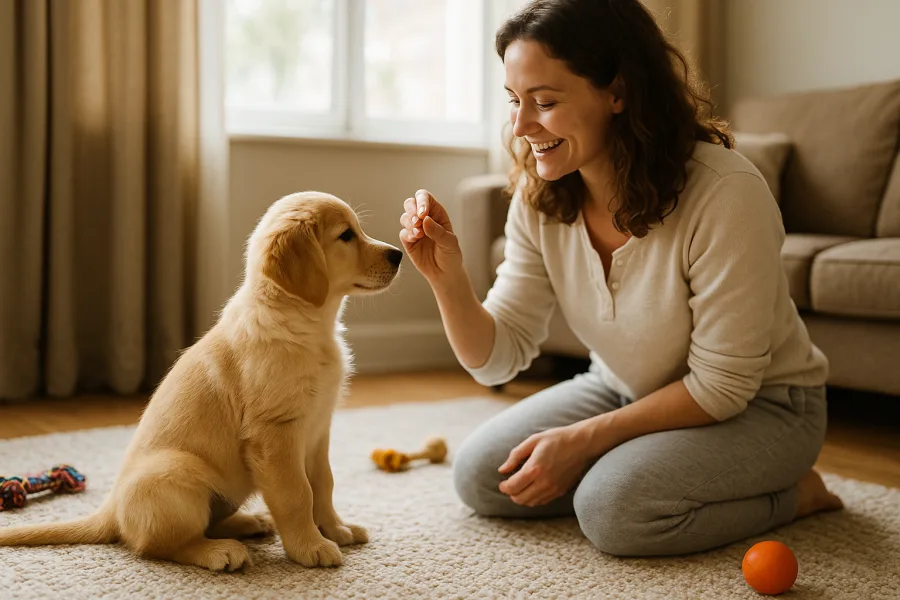
When introducing your puppy to people, ensure these interactions are positive. Encourage gentle handling and use treats to create a positive association with new people. Similarly, when socializing with other dogs, make sure they are well-mannered and healthy. Puppy classes can provide a controlled environment for these interactions. Always supervise these encounters to intervene if necessary and ensure your puppy remains comfortable.
Exploring Different Environments
Take your puppy to various environments to broaden their experiences. Walks in the park, visits to pet-friendly stores, or car rides help them become accustomed to different surroundings. Varying locations ensures they don't get overly attached to one environment, which reduces anxiety when exposed to new settings.
While exploring, let your puppy take the lead at their own pace, giving them time to sniff and investigate. This exploration builds confidence and encourages curiosity. Introduce new experiences gradually, such as walking near busy roads, visiting the beach, or exploring urban environments. Each new experience helps create a more resilient and adaptable puppy.
Introducing Various Sounds and Textures
Expose your puppy to different sounds and textures. Everyday household noises like vacuum cleaners, doorbells, and kitchen appliances should become familiar to them. Similarly, walking on various surfaces , carpet, tile, grass, or gravel , helps them become more confident and adaptable.
To prevent noise phobia, start with softer exposures and gradually increase the volume or complexity. For example, play recordings of thunderstorms or fireworks at a low volume while engaging your puppy in a fun activity or giving treats. This method helps them associate sounds with positive experiences. Additionally, ensure your puppy encounters various textures and surfaces, such as sand, mud, or shallow water, to enhance their comfort in diverse environments.
Balancing Health and Socialization
While socialization is crucial, it's important to balance it with health considerations. Puppies are vulnerable to diseases like parvovirus before their vaccination series is complete. Consult with your vet to determine when it’s safe to introduce your puppy to public spaces or other animals. Controlled environments, such as puppy kindergarten classes with vaccinated dogs, can be a safe option for early socialization.
Keep a schedule for vaccinations and health check-ups to ensure your puppy's health isn't compromised during socialization. Many veterinarians recommend starting socialization before the full vaccination course is completed, emphasizing controlled and safe exposures. Always carry your puppy if you're unsure about the cleanliness of an area or the health of other animals present.
What Does a Well-Socialized Puppy Look Like?
A well-socialized puppy typically shows certain positive behaviors. They are generally less fearful, showing curiosity rather than anxiety in new situations. They interact comfortably with strangers and other animals, displaying relaxed body language. These puppies are adaptable and handle changes in their environment without excessive stress.
Additionally, a well-socialized puppy can recover quickly from unexpected or startling experiences, demonstrating resilience. They are likely to remain calm and relaxed in various situations, such as during veterinary visits or when meeting new dogs in the park. These puppies are confident and eager to explore new environments and engage in play, which is a sign of healthy social development.
Common Mistakes and How to Avoid Them
One common mistake in puppy socialization is overwhelming the puppy. Introducing too many new experiences at once can lead to fear rather than confidence. Instead, take gradual steps, letting your puppy adjust at their own pace. Another error is missing the critical socialization window, which can make behavioral adjustment more challenging later. It's also important not to inadvertently reinforce fear by coddling a scared puppy , instead, act confidently to show them there’s nothing to fear.
Consistency is key. Inconsistent socialization can confuse your puppy, leading to mixed signals about what is safe or threatening. Make socialization a regular part of your puppy's routine, reinforcing positive behaviors with praise and treats. Avoid negative experiences during this time, as they can have lasting effects on your puppy's perception of the world.
Conclusion: Key Takeaways for Puppy Socialization
- Start socializing your puppy between 3 to 14 weeks, with 3 to 12 weeks being the most crucial period.
- Early socialization can prevent future behavioral issues like fear and aggression.
- Introduce your puppy to a variety of people, animals, environments, sounds, and textures.
- Balance socialization efforts with health considerations, ensuring vaccinations are up to date.
- Observe your puppy’s reactions and adjust the socialization pace as needed to avoid overwhelming them.
For more detailed strategies on socializing your puppy, check out our comprehensive resource on puppy socialization techniques and timing. With patience and consistency, you can raise a well-adjusted and confident dog ready to explore the world by your side.

I've shared my home with pets for over 40 years. No letters after my name, just four decades of paying close attention. I've read widely, watched everything I could find, and learned most of what I know from living alongside animals every day. This site is where I share what I've picked up along the way.
More by Nicole Dance →