Is It Normal for Puppies to Jump on People?
Learn why puppies jump on people and how to manage this normal behavior for a positive relationship with your furry friend.
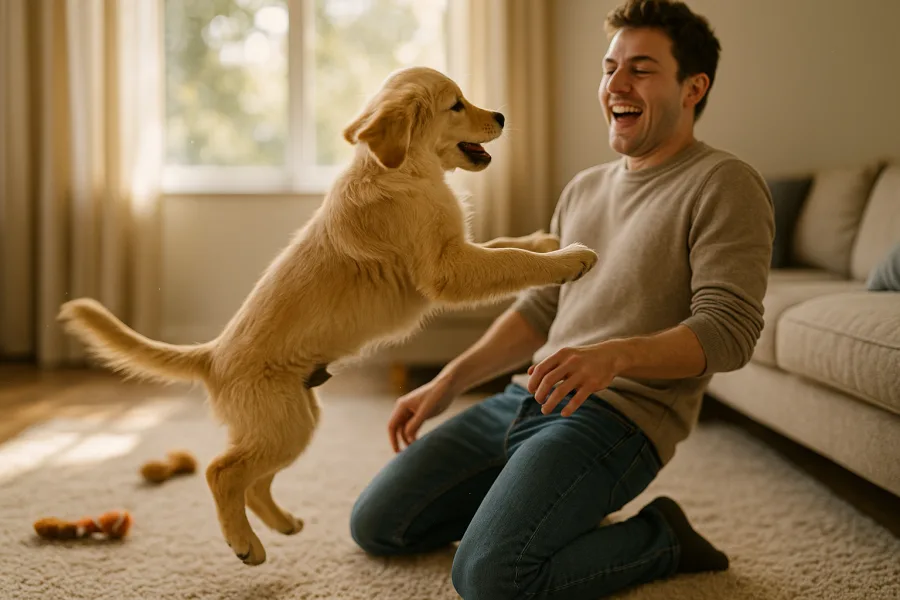
Welcoming a new puppy into your home is an exciting time, full of joy and curiosity. However, many new puppy parents soon notice a common behavior: their puppy jumping on people. Wondering if this is normal? It absolutely is. Puppies often jump out of excitement, as a natural greeting, or simply to get your attention. Understanding why puppies jump and how to manage it can help you foster a positive and rewarding relationship with your furry friend.
Is It Normal for Puppies to Jump on People?
Jumping is typical behavior in puppies and is generally a normal part of their growth. Puppies often jump to express excitement or to greet someone at face level, a behavior common in canine interactions. While this doesn't mean it should become a permanent trait, recognizing it as typical can help you handle the situation with patience. Knowing that most puppies go through this phase allows you to manage your expectations and prepare for training that will help your puppy develop more appropriate behaviors as they mature.
Why Do Puppies Jump?
Excitement and Energy
Puppies are naturally energetic. Their enthusiasm often leads to jumping, especially when they're thrilled to see someone. This excitement can be overwhelming for them, and jumping is their way of expressing it physically. Recognizing this energy as a natural expression of their joy can help you redirect it into more desirable activities.
Natural Greeting Behavior
In the wild, dogs greet each other by sniffing faces. Puppies may jump to reach your face, as this is their instinctual way of saying "hello." This behavior stems from their innate social instincts, where face-to-face interaction is a form of communication. Understanding this can help you teach them how to greet in a more socially acceptable way.
Seeking Attention
Sometimes, puppies jump because they know it gets them the attention they want. Whether positive or negative, the reaction they get when they jump can reinforce the behavior. Puppies are quick learners and will repeat actions that make them noticed. Even scolding can serve as a form of attention that unintentionally rewards the behavior. Understanding this aspect of jumping can guide you in providing alternative ways for your puppy to gain your focus, like teaching them to sit or perform a trick for attention.
What Are the Implications of Jumping?
While jumping is normal, it can lead to problems if not managed. As puppies grow into larger dogs, their jumping can become a safety concern, potentially causing injury. Moreover, if jumping is unintentionally reinforced, it can encourage other unwanted behaviors, complicating future training. For instance, a puppy that learns jumping is effective for gaining attention might also develop other attention-seeking habits like excessive barking or nipping. Therefore, addressing jumping early is essential to prevent these behaviors from becoming ingrained. Our in-depth guide to Does My Dog Jump on Guests? Understanding and Solutions covers all the related factors worth knowing.
How Can I Train My Puppy Not to Jump?
Training your puppy not to jump takes patience, consistency, and the involvement of everyone in the household. Here are some practical steps to guide you:
Teach the "Sit" Command
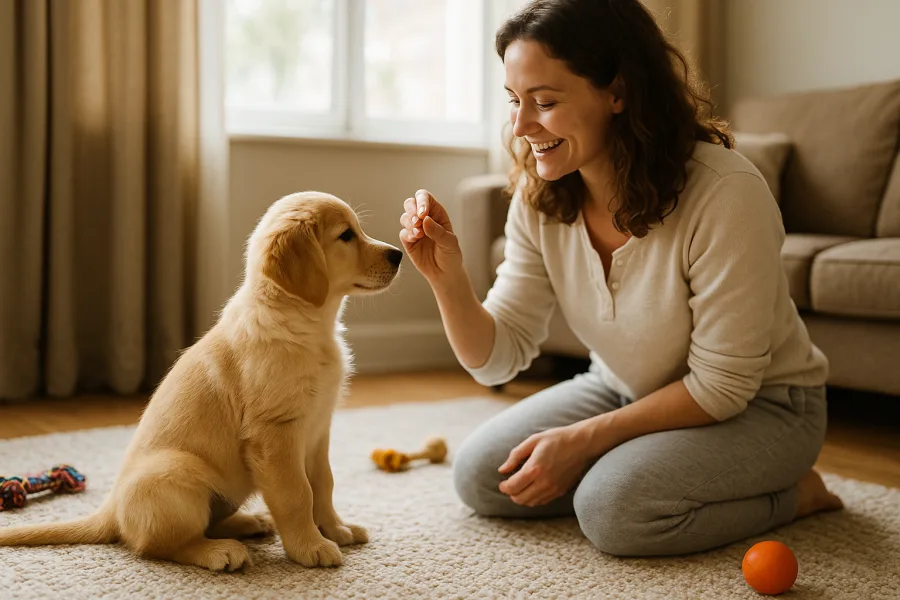
One effective way to manage jumping is to teach your puppy the "sit" command. When your puppy starts to jump, calmly ask them to sit. Once they do, reward them with praise or a treat. This redirects their energy from jumping to a more acceptable behavior. Consistent practice of the "sit" command helps reinforce the idea that calm behavior leads to positive outcomes, gradually reducing the tendency to jump.
Use Positive Reinforcement
Reward good behavior immediately to strengthen desired actions. Praise your puppy or offer a small treat whenever they greet you or others without jumping. Over time, they will associate staying calm with positive outcomes. The immediacy of the reward is critical, as it helps your puppy connect their calm behavior with the positive reinforcement they receive. This method not only curbs jumping but also encourages a range of good behaviors through consistent rewards.
Ignore Jumping Behavior
When your puppy jumps, try not to give them any attention, even negative. Turn away or walk out of the room if necessary. Once they stop jumping, return and reward their calm behavior. Consistently ignoring jumping will help diminish the behavior over time. By removing attention when they jump, you are teaching your puppy that jumping is not an effective way to get what they want, which is your attention and affection.
Involve the Whole Family
Consistency is key to effective training. Ensure everyone in the household is aware of the training methods and adheres to them. This unified approach ensures your puppy receives the same signals from everyone, reinforcing the training process. It’s important that all family members use the same commands and methods to prevent confusion and ensure the puppy consistently learns what is expected of them. For a broader look at this subject, see our guide to Avoid These Common Mistakes When Training Your Dog Not to.
For more detailed tips on managing this behavior, check out our comprehensive guide on training your dog to stop jumping on people.
When to Seek Professional Help
If your puppy's jumping behavior persists despite consistent training, it might be time to consult a professional dog trainer. Signs that suggest the need for expert intervention include aggression when jumping, inability to control the behavior, or if the puppy's jumping is causing harm. A professional can provide tailored strategies and techniques to address your pet's specific needs. Sometimes, behavioral issues can be linked to underlying factors that require a professional's insight to identify and address effectively.
Quick Summary
- Jumping is a normal behavior for puppies, often driven by excitement or the need for attention.
- It is important to manage jumping to prevent safety issues and unwanted behavior reinforcement.
- Use training techniques such as teaching "sit," positive reinforcement, and ignoring jumping.
- Consistency and involving all family members are crucial to successful training.
- Consider professional help if jumping behavior persists or becomes problematic.
Understanding your puppy's behavior and addressing it with a positive and structured approach can lead to a harmonious relationship. Remember, every puppy is unique, so observe and adapt your strategies as needed to suit your furry companion's temperament and learning pace. With patience and consistency, you can guide your puppy toward becoming a well-behaved family member, enhancing the bond you share and ensuring a happy, healthy environment for all.

I've shared my home with pets for over 40 years. No letters after my name, just four decades of paying close attention. I've read widely, watched everything I could find, and learned most of what I know from living alongside animals every day. This site is where I share what I've picked up along the way.
More by Nicole Dance →